What Is a Wedding Officiant License – And Do You Need One?
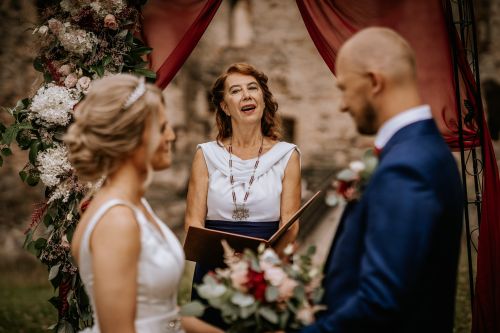
If somebody has asked you to officiate their wedding, you're probably wondering whether you need a special license to do it legally. The short answer: in most states, you don't need a marriage officiant license – at least not in the way you might expect. Getting ordained online gives you the legal authority to perform marriages, and that ordination effectively is your officiant license. Ordination via the Universal Life Church (ULC) is free, legal, and available online.
What gets confusing is that the word "license" means different things depending on the context. Sometimes it refers to ordination credentials. Sometimes it refers to a government registration form required in a small number of states. This page explains the difference, walks you through the process, and makes sure you know exactly what's required where you'll be officiating.
What Is a Wedding Officiant License?
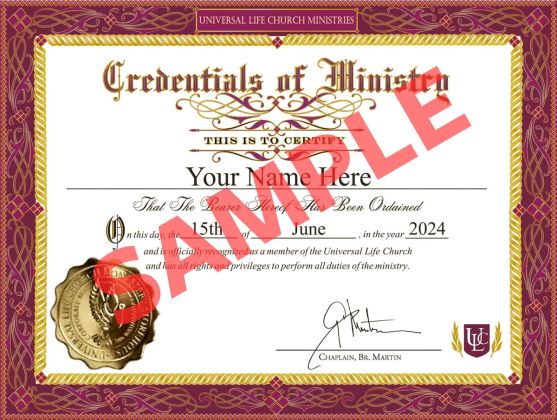
A wedding officiant license is the credential that gives you legal authority to solemnize a marriage. In practice, that credential almost always comes from ordination through a religious organization (like the ULC). When you get ordained, you become a minister with the legal standing to officiate wedding ceremonies and sign marriage documents on behalf of the couple.
The term "license" is used loosely, and can refer either to an ordination certificate or a formal government document required in certain states. Both count as a “wedding officiant license” depending on context, which is why people often get tripped up trying to figure out what they actually need. The distinction is fairly simple, though.
Ordination vs. Government Registration – What's the Difference?
Ordination and government registration are two separate things, and you may only need the first one to officiate a wedding. Getting ordained by a recognized religious organization like the ULC grants you legal ministerial status – and in the vast majority of U.S. states, ordination grants you the ability to officiate a wedding legally.
Government registration is an additional step required in certain areas. Because marriage laws are set at the state and county levels, every area has its own rules and processes for who can solemnize a wedding and how the ceremony is recorded.
In some places completing a simple form may be all that is required, while in others it might be necessary to submit your official ordination credentials, letter of good standing, or other official documentation. Registration is typically done at the county level, but it can also occur with a state office or a city office depending on where the wedding will take place.
Think of it this way: ordination is your authority to officiate. Government registration, where required, is how you notify the state/county that you have that authority. In those specific states where registration is required, you’ll need both.
Once you’ve been ordained, the ULC is happy to assist you as much as we can in the government registration process. Please read on for more info.
States That Require Additional Officiant Registration
The ULC ordination is recognized nationwide with the exception of Virginia (where we have an active lawsuit), and many states do not require ULC ministers to complete a separate government registration before they officiate a ceremony. Some states, however, require officiants to register with a government office before performing a ceremony. If you're officiating in any of the following states/locations, please check the specific requirements for that location:
- Arkansas
- Hawaii
- Louisiana
- Massachusetts
- Minnesota
- Nevada
- New Hampshire
- New York
- Ohio
- Puerto Rico
- Vermont
- Virginia
- Washington D.C.
- West Virginia
On those location-specific pages, we will note exactly which special documents you may need to request from the ULC in order to legally solemnize the marriage. Note that requirements can vary at the county level even within states that generally don't require registration. When in doubt, always contact the county clerk's office (or equivalent) where the wedding will take place.
We’ve found that in the vast majority of jurisdictions our Classic Wedding Set includes everything a minister will need to officiate a wedding. Regardless of where you are located, it’s always good to keep a copy of your ministerial credentials around, and the package also includes a number of other essential items that you’ll find incredibly valuable before, during, and after the ceremony.
For state-by-state details and full contact information for each office, visit our full State Wedding Officiant guide.
How to Get Your Wedding Officiant License – Step by Step
The process for an officiant license is straightforward. Here's how it works:
-
Get ordained with ULC: The ordination application takes under two minutes. You'll enter your name and email address, agree to ULC's two core tenets, and press submit. Ordination is instant and available in all 50 states.
-
Access your credentials: Once ordained, log in to your account to view a free preview of your ordination certificate. If you need printed documents for a county clerk or for your own records, physical credential packages are available in the ULC store – options include your official certificate, a letter of good standing from the ULC, and more.
-
Check your state's requirements: Look up the state where the wedding will take place. If no additional registration is required, you're ready to officiate. If your state does require registration, complete that process with the appropriate government office before the ceremony.
That's it! No waiting period, no background check, no in-person appearance required – just ordination, credentials, and a state laws check.
How Much Does a Wedding Officiant License Cost?
ULC ordination is free. There are no fees to apply, or ongoing subscription costs.
If you do want printed copies of your credentials or other supplies, physical packages are available in the ULC minister’s catalog (and we do ask that our ministers cover the cost of these items). Many county clerks do ask to see a physical ordination certificate or a letter of good standing when officiants register, and couples often appreciate the peace of mind that comes with seeing a physical document associated with your certification.
Government registration fees, where required, are set by local authorities and typically range from $25 to $75. If you're officiating in a state that requires registration, factor that into your timeline – some offices can take a few weeks to process requests.
Marriage License vs. Marriage Officiant License
There’s one last confusing terminology hurdle to jump: how is a marriage license different from a marriage officiant license?
The officiant license refers to the officiant’s authority to perform the wedding. The marriage license is a separate legal document that the couple must apply for prior to the ceremony. The officiant has a section to fill out, but the couple is in charge of getting this document.
Following the ceremony, the marriage license will be submitted back to the issuing office to officially record the marriage in government records.
How to Fill Out the Marriage License as an Officiant

The officiant’s role with the marriage license is straightforward, but it’s a key task to review before the wedding day. After the ceremony, the couple, the officiant, and any required witnesses sign the license. When completing the officiant fields on the marriage license, here's what to write:
- Title: “Minister” (Do not write Officiant)
- Church affiliation: “Universal Life Church”
- Religious denomination: “Non-Denominational”
- Ceremony type: “Religious” (this refers to your ministerial standing, not the content or style of the ceremony)
Also, please pay attention to your state's return deadline – most licenses must be submitted to the issuing office within a set number of days. Failing to return it on time can create legal complications for the couple, so treat it with the same care as the ceremony itself.
Every day, county clerks send back marriage licenses because they were filled out incorrectly. Taking five minutes to review the form for potential errors can save everyone a massive headache
For a complete walkthrough, review the ULC's marriage license guide.
Frequently Asked Questions
-
Do I need a wedding officiant license to legally marry someone?
-
How long does it take to get a wedding officiant license?
-
How much does a wedding officiant license cost?
-
Is online ordination legal?
-
How long does a wedding officiant license last?
-
What do I write on the marriage license as the officiant?
-
Can I officiate a wedding in any state with my ULC ordination?
-
What is the difference between an ordination certificate and a wedding officiant license?
-
Do I need to be religious to become a ULC wedding officiant?
Ready to get started?
Getting your wedding officiant license starts with ordination, and that takes about two minutes. Once you're ordained, you'll have everything you need to legally officiate in most states – and clear guidance for the handful of states that require an extra step.
Already ordained and planning a ceremony? Visit the Wedding Training Center for tools and resources, or read up on your state's specific laws regarding weddings.
Not Ordained Yet?
Take the next step in your spiritual journey by instantly becoming an ordained minister with the Universal Life Church. Ordination allows you to officiate weddings, lead funeral services, and more. Explore the ULC's resources to continue growing in your role.