 Key Takeaways
- You do not have to believe in a god to become a ULC minister.
- Secular ministry focuses on serving people without requiring a particular religious doctrine or belief in a deity.
- Atheists, agnostics, humanists, and other nonreligious people can practice forms of secular ministry.
- Secular ministers may officiate weddings, memorials, commitment ceremonies, and other important life events.
- Secular ministry does not necessarily mean being opposed to religion.
- Those interested in secular ministry can become ordained online for free through the Universal Life Church.
Ministry Without Belief in God
When people hear the word minister, they may picture someone preaching from a Bible or leading prayers. But does a minister have to believe in a god?
Not necessarily.
Secular ministry can be rooted in humanist, agnostic, or other non-theistic values, with ministers officiating ceremonies, marking life milestones, and serving their communities.
At the Universal Life Church, ministers may believe in one god, many gods, or none. Anyone can get ordained online for free without adopting a particular creed.
So what does secular ministry actually look like?
What Is Secular Ministry?
Secular ministry is an approach to ministry that does not depend on belief in a deity or specific religious doctrine.
Instead, it may be guided by values such as compassion, dignity, reason, equality, community, and service. Secular ministers may be atheist, agnostic, humanist, spiritual but nonreligious, or simply unaffiliated with a particular faith.
What connects these approaches is the idea that ministry can be about serving people as much as serving a faith.
Can an Atheist or Agnostic Become a ULC Minister?
Yes. The Universal Life Church welcomes people from religious and nonreligious backgrounds alike.
If you want to officiate ceremonies or serve your community, you can get ordained online for free without changing your beliefs.
What Does a Secular Minister Do?
Secular and religious ministers may perform many of the same roles. The main difference is often how the ceremony or service is framed.
Officiate Secular Weddings
A secular wedding may focus on the couple's relationship, shared values, family, friendship, and promises to one another rather than prayer or scripture.
The secular officiant can still include familiar elements such as vows, readings, a ring exchange, unity rituals, and a pronouncement.
For couples who are not religious, a secular ceremony may feel more personal and representative of their relationship. A friend or family member can also become ordained through the ULC and prepare to officiate, subject to local legal requirements.
Lead Memorials and Celebrations of Life
A secular memorial can focus on a person's life, relationships, memories, accomplishments, and legacy rather than making claims about an afterlife.
This approach can work especially well when the deceased was nonreligious or when family members hold different beliefs.
Mark Other Life Milestones
Secular ministers can also lead vow renewals, commitment ceremonies, coming-of-age celebrations, home blessings, and other meaningful events.
These ceremonies can use readings, music, storytelling, or symbolic rituals without requiring a religious framework.
Secular Ministry vs. Religious Ministry
The difference is what guides the work.
A religious minister may draw from scripture, prayer, or theology. A secular minister may instead draw from ethics, philosophy, personal experience, and shared human values.
Both may emphasize compassion, service, and community. They simply arrive at those values through different paths.
Does Secular Ministry Mean Being Anti-Religion?
No.
A secular minister can respect religious beliefs without personally sharing them.
For example, a mostly secular wedding might still include a Bible reading requested by the couple, while a memorial could include both religious readings and secular poetry.
The goal is not necessarily to make the ceremony reflect the minister's worldview. It is to help create something that reflects the people being served.
What Values Can Guide a Secular Ministry?
Without a particular religious doctrine, a secular ministry may be built around principles such as:
- Compassion
- Human dignity
- Equality
- Reason
- Service
- Community
- Personal autonomy
A minister does not need to believe these values come from a divine source to find them meaningful.
Exploring Atheism, Religion, and Secular Thought
Secular ministry can also involve exploring broader questions about morality, belief, religion, and meaning.
For ministers interested in these subjects, the ULC Minister Store includes books covering atheism, philosophy, religious criticism, and comparative religion.
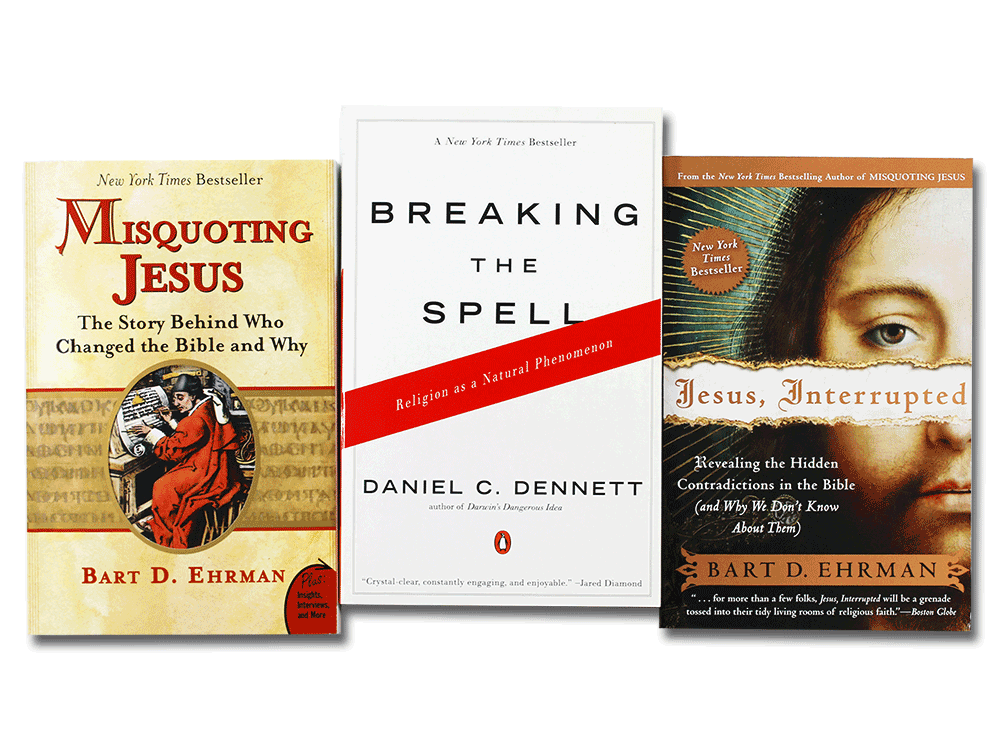
The Secular Thinking Religion Bundle brings together several books examining religion from secular and critical perspectives.
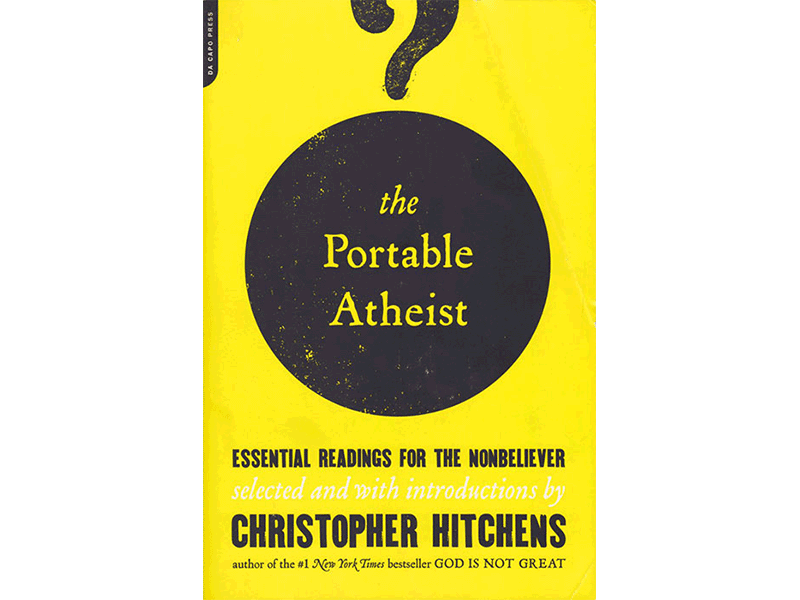
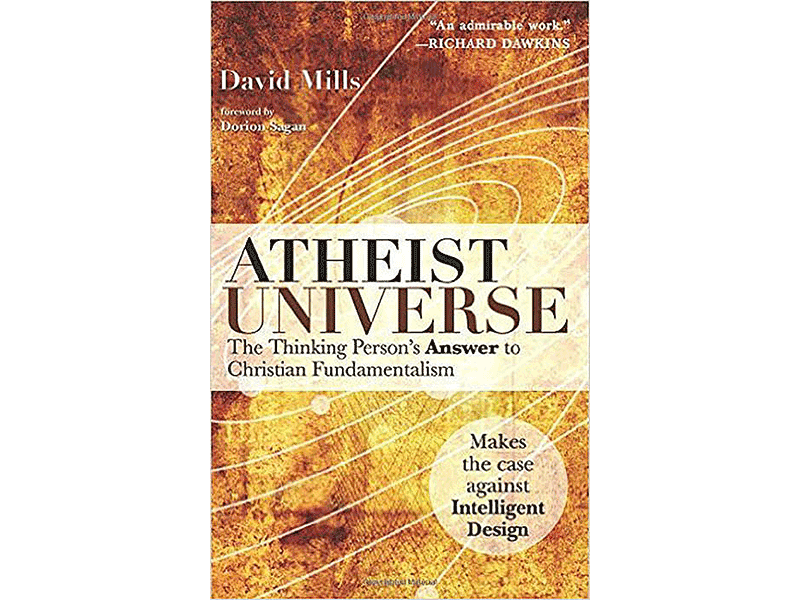
Other titles include The Atheist's Bible, Atheist Universe, and The Portable Atheist.
These resources can be useful not only for atheists, but for any minister who wants to better understand the different beliefs held by the people they serve.
Start Your Own Path in Ministry
If you want to officiate ceremonies, support others, or build a ministry around your own values, ordination gives you a place to begin.
The Universal Life Church welcomes people from religious, spiritual, secular, and non-theistic backgrounds.
Get ordained online for free and start putting your own approach to ministry into practice.
You can also explore books, ceremony resources, and other minister supplies in the ULC Minister Store.
Frequently Asked Questions About Secular Ministry
Do you have to believe in a god to be a minister?
No. ULC ministers may be religious, spiritual, atheist, agnostic, humanist, or follow another philosophical path.
Can an atheist become ordained?
Yes. An atheist can become ordained online through the Universal Life Church without professing belief in God or adopting a particular creed.
Can a secular minister legally perform weddings?
Being secular does not prevent a minister from performing weddings, but officiant requirements vary by location. Ministers should always check the laws where the marriage will take place.
Can a secular minister officiate a religious ceremony?
Yes. A secular minister can include prayers, scripture, blessings, or other religious elements if requested and if they are comfortable doing so.
Is secular ministry the same as Humanism?
Not necessarily. Humanism can provide a foundation for secular ministry, but secular ministers may also be atheist, agnostic, spiritual but nonreligious, or follow another philosophy.