Funeral officiants–whether priests, ministers, or secular celebrants–offer words of comfort, hope, and remembrance that honor the deceased and help loved ones say a meaningful goodbye.
Key Takeaways
- At a funeral, the officiant’s words acknowledge everyone’s grief while offering hope and spiritual or emotional comfort.
- In some faith-based funerals, priests lead the community in prayers, scripture readings, and blessings. Their words emphasize themes like remembrance, faith, and the promise of eternal life.
- In non-religious or less formal funerals, officiants may share custom reflections, stories, or poems. The focus is on celebrating the individual’s life in an uplifting, respectful tone.
When a loved one dies, the spoken words at their funeral provide a foundation for those who are grieving. As you step into the role of officiant, you carry the responsibility of helping families honor a life and find peace. This guide to what priests say at funerals can help you provide a steady, supportive presence when emotions are high. Many of the same principles apply to ministers, celebrants, and funeral officiants of all backgrounds.
What Catholic Priests Say During a Funeral Mass

Catholic funerals often take place within a Mass (a full church service with Holy Communion), and they have a structured order of rites and prayers. As a priest leading a Catholic funeral, you will follow the Order of Christian Funerals, which provides specific things to say at each moment. However, within that specific funeral guide, you also offer personal comfort through a homily and interactions with the family.
Introductory Rites
At the beginning of the funeral Mass, priests welcome the congregation and acknowledge the grief of the family while grounding the service in Christian hope. This opening reminds everyone that the gathering is both an expression of sorrow and an act of faith in the resurrection.
The formal greeting and rituals, such as sprinkling the coffin with holy water, connect the deceased’s baptism to the promise of new life in Christ and help set a prayerful, reverent tone.
Example of a Catholic Priest’s Funeral Greeting
“Welcome, everyone. We have come together to renew our hope in Christ as we remember [Deceased]. May the Lord be with you all.”
Liturgy of the Word
During the Liturgy of the Word, the priest leads the congregation into listening to Scripture by introducing the readings and proclaiming the Gospel. While lectors usually read the Old and New Testament passages and lead the Psalm, the priest announces the Gospel, reads it aloud, and concludes it using the prescribed responses. The priest may also briefly explain the purpose of the readings, emphasizing their role in offering comfort, faith, and hope.
Homily (Sermon of Comfort and Hope)

After the readings, the priest delivers the homily, speaking directly to the mourners. The priest reflects on the Scripture that was proclaimed, explains its meaning, and connects it to the reality of loss and the promise of eternal life.
The priest calls the deceased by name, acknowledges their faith or character, and offers words of reassurance. The homily balances honest recognition of grief with the Church’s message of resurrection and hope.
Liturgy of the Eucharist
During the Liturgy of the Eucharist, the priest leads the congregation through the offertory, Eucharistic Prayer, and Communion rites. The priest recites the formal prayers from the Roman Missal, consecrates the bread and wine, and includes a specific prayer commending the deceased to God. The priest also invites the congregation to pray the Lord’s Prayer and may offer brief instructions regarding Communion, especially when non-Catholics are present.
Final Commendation and Farewell
In the Final Commendation, the priest stands near the coffin and formally entrusts the deceased to God through prayer. The priest invites silence, recites the Prayer of Commendation, and may incense the casket as a sign of respect and prayer. The priest then leads the final dismissal, signaling the conclusion of the Mass and the community’s final farewell before burial or cremation.
Example of a Catholic Priest's Final Farewell
“Eternal rest grant unto [Deceased], O Lord, and let perpetual light shine upon him. In peace now, let us take [Deceased] to his place of rest.”
What Priests Say in Orthodox Christian Funerals
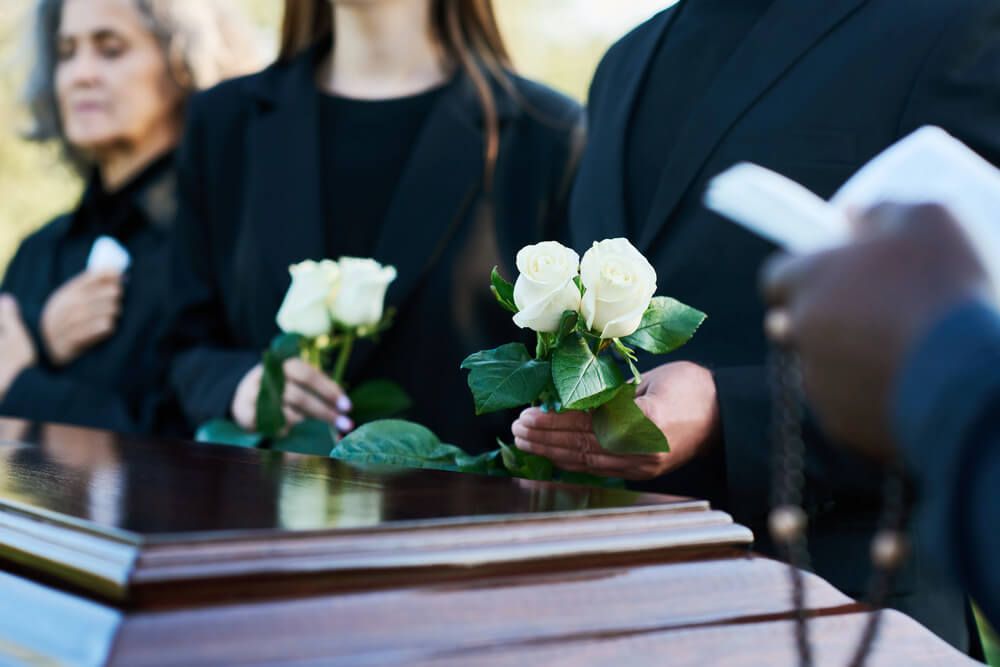
Eastern Orthodox funerals follow a deeply traditional and prayer-centered structure that differs from Western Christian services. Rather than focusing on personal remarks or extended eulogies, Orthodox priests lead the community through ancient prayers, chants, and Scripture readings that emphasize repentance, God’s mercy, and the hope of resurrection.
Opening Prayers (Trisagion and Invocation)
At the beginning of an Orthodox funeral, the priest opens the service by chanting the Trisagion Prayers. These prayers ask for God’s mercy and immediately place the departed in God’s hands. The priest says the chant aloud, and the congregation responds together, establishing a solemn, reverent tone rooted in humility and hope in the resurrection.
Litanies and Prayers for the Departed
Throughout the funeral service, the priest chants a series of litanies asking God to forgive the sins of the departed and grant rest to their soul. Each petition spoken by the priest is followed by the congregation’s repeated response of “Lord, have mercy.” These call-and-response prayers emphasize communal prayer and reliance on God’s compassion rather than personal remarks.
Hymns of Resurrection and Rest
At key points in the service, the priest or cantor chants hymns that focus on eternal life and the hope of resurrection. These hymns replace personal storytelling with theological reflection, allowing the Church’s prayers to speak on behalf of the departed.
Following this, the congregation may sing or respond prayerfully, affirming hope that the departed rests with God.
Scripture Readings and Brief Homily
During the funeral service, the priest proclaims Scripture readings, usually from the Epistles and the Gospels. The priest introduces each reading and calls the congregation to attention. If a homily is given, it is typically brief and focused on resurrection, prayer for the departed, and trust in God’s mercy rather than a detailed eulogy.
Example Funeral Homily
“Brothers and sisters, today we face the sorrow of separation, yet we do so with faith. Christ has conquered death, and because He lives, [Deceased] is not lost to us forever. We pray today not only in grief, but in hope, trusting that God receives His servant with mercy and love.”
Final Farewell and Anointing
Near the end of the service, the priest performs the final farewell. They anoint the body with oil and sprinkle earth in the sign of the cross, physically commending the body back to the earth while entrusting the soul to God.
Committal and “Memory Eternal”
At the graveside or conclusion of the service, the priest says a final prayer of committal. Instead of a farewell, the Orthodox tradition affirms that the departed is remembered eternally by God. The priest proclaims “Memory eternal,” and the congregation repeats it in song.
Example Funeral Closing Words
“May your memory be eternal, dear brother/sister [Deceased], worthy of blessedness and everlasting memory.”
What Priests Say in Anglican/Episcopal Funerals
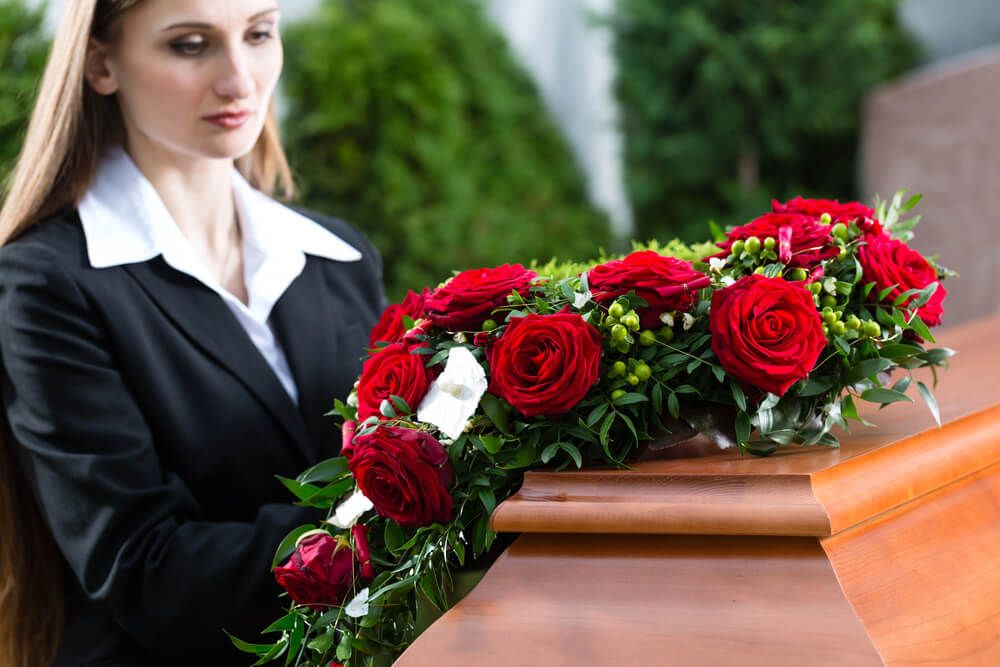
Anglican and Episcopal funerals follow a formal liturgy rooted in the Book of Common Prayer, used in traditions such as the Church of England and the Episcopal Church. The priest leads the service through structured prayers and readings, while also offering pastoral guidance through a homily. The language is dignified and familiar, emphasizing resurrection, hope, and God’s comfort.
Opening Sentence and Collect
At the beginning of the service, the priest opens with a sentence of Scripture spoken aloud as the congregation gathers. These opening words immediately center the service on resurrection and eternal life.
Afterward, the priest prays the Collect for the burial service, formally asking God to receive the departed into the fellowship of the saints and to comfort those who mourn.
Scripture Readings and Homily
During the service, the priest oversees Scripture readings, which may include lessons read by lay readers, a psalm such as Psalm 23, and a Gospel reading often proclaimed by the priest.
Following the readings, the priest delivers a homily. This sermon typically focuses on God’s love, the promise of eternal life, and the hope of resurrection, while briefly acknowledging the life of the deceased within the context of faith.
Prayers and Congregational Responses
Anglican funerals include set prayers and call-and-response elements led by the priest. These may include prayers for mercy, the Lord’s Prayer, and short versicles where the priest says a line and the congregation responds. This shared spoken rhythm allows mourners to participate actively in the service and draws comfort from familiar words prayed together.
The Committal
The committal is one of the most recognizable moments of an Anglican funeral. Standing by the coffin—either at the graveside or at the conclusion of the church service—the priest formally commits the body to the earth using traditional language that acknowledges death while affirming resurrection: “Earth to earth, ashes to ashes, dust to dust, in sure and certain hope of the Resurrection.”
This moment often includes a physical gesture, such as the casting of earth, reinforcing the finality of the farewell and the hope of eternal life.
Closing Prayers and Blessing
After the committal, the priest says a final prayer for those who mourn, asking God to grant peace, comfort, and strength. The service concludes with a blessing spoken by the priest, sending the congregation forth with reassurance of God’s presence and care.
What Officiants Say at a Non-Religious Funeral
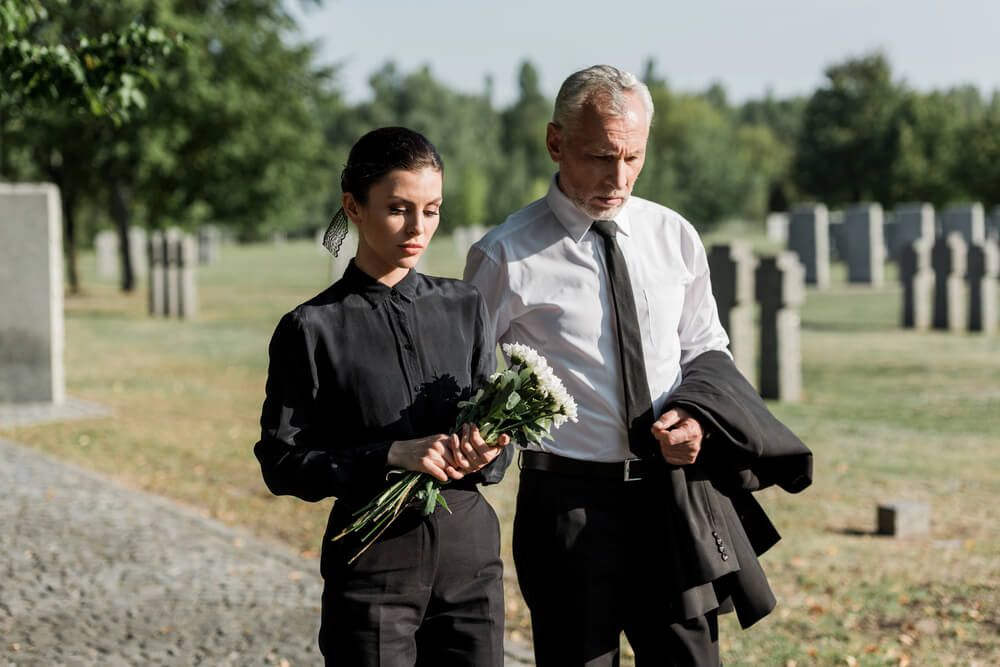
In religious funerals, priests and clergy are usually bound to established liturgies and prescribed prayers. Those structures offer comfort and tradition, but they also limit how much personal language can be used. But what does the officiant say at a funeral that’s non-religious?
Officiants have far more freedom when not bound by religion or rites. You can speak plainly, personally, and directly. Your words can reflect shared memories, meaningful stories, and the values that mattered most to the deceased.
Funeral Service Outline
If you’re looking for guidance on how to officiate a funeral, here’s a basic structure that many funeral services follow, along with a simplified overview an officiant may use:
- Welcome and Purpose: The officiant welcomes everyone, acknowledges the loss, and explains that the gathering is to honor [Deceased] and support one another.
- Readings and Prayers: The officiant introduces readings, prayers, or moments of silence that invite reflection and remembrance.
- Eulogy or Remarks: A eulogy or short tribute is shared to highlight [Deceased]’s life, values, and impact on others.
- Closing and Farewell: The officiant offers a final goodbye that provides comfort, closure, and a sense of peace.
Throughout the service, your tone should be gentle, respectful, and caring. Even if you don’t use formal religious language like a priest would, speak with warmth. The mourners will remember not just what you said but how you made them feel.
Example Funeral Officiant Script
If you’re making funeral arrangements and don’t know what to say as you officiate, follow the guide below. The examples below show how a professional funeral officiant might structure their words, so you can do so confidently.
Opening Welcome
This opening sets the tone for the service and helps everyone feel grounded and acknowledged. Explain why people have gathered together.
“Good afternoon, everyone. Thank you for being here today. We’ve gathered because we loved [Deceased], and because losing someone we care about reminds us how important it is to come together. Today is about remembering [Deceased], honoring their life, and supporting one another through this loss.”
Acknowledging the Loss
Give people permission to feel grief and reassure them that there is no single “right” way to mourn. Normalize feelings and emotions and create a sense of shared understanding.
“This is a hard day. Saying goodbye is never easy, and each of us is feeling it in our own way. There is no right or wrong way to grieve. What matters is that we’re here together, sharing this moment and holding space for one another.”
Honoring the Person’s Life
Focus on who the person was and what made them meaningful to others. Including a specific quality or story helps make the remembrance personal and authentic.
“[Deceased] was someone who left a mark on the people around them. They were known for [a defining quality—kindness, humor, dedication, generosity]. One small example that captures who they were is [brief story or detail]. It’s moments like these that help us remember not just how [Deceased] lived, but how they made others feel.”
Reflection and Meaning
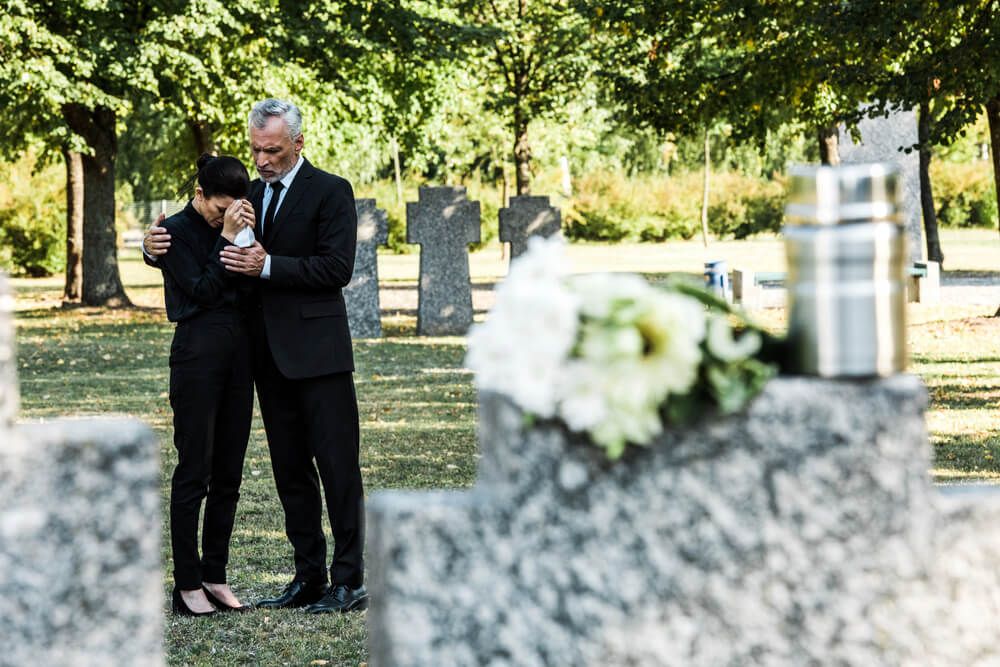
Connect grief with gratitude and invite guests to reflect on the lasting impact of the person’s life. Gently shifts the focus from loss to remembrance and meaning.
“While today is filled with sadness, it’s also filled with gratitude for the time we had, the memories we carry, and the love that doesn’t disappear just because someone is gone. [Deceased]’s life mattered, and that meaning continues through the stories we tell and the ways we carry them forward.”
Moment of Pause (Optional)
Including a brief pause allows guests to reflect quietly in their own way. Silence can be especially powerful in funeral services, giving space for personal thoughts or emotions.
“At this time, let’s take a brief moment of silence to reflect, remember, or simply breathe.”
(Pause)
Closing Words
Always offer a sense of gentle closure and transition guests out of the ceremony. Encourage compassion, connection, and remembrance beyond the service itself.
“As we leave here today, may we do so gently with compassion for ourselves and each other. Let us remember [Deceased] not only with sorrow, but with appreciation for a life that was lived and shared. May the love we feel today be something we carry with us in the days ahead.”
Priests Aren’t the Only Ones Who Can Lead Meaningful Funerals
Meaningful funeral services aren’t limited to traditional clergy. Many families today choose officiants who can speak with compassion and respect for personal beliefs. But understanding what priests say at funerals can help you provide that same level of comfort while staying true to a family's unique wishes, whether religious, spiritual, or secular.
Organizations like the Universal Life Church exist to support that openness. ULC provides a welcoming path for people who feel called to serve others during life’s most important moments. Our approach is inclusive and non-denominational, making it possible for individuals from all backgrounds to officiate funerals, weddings, and other ceremonies.
If you feel drawn to helping others honor a life and say goodbye in a meaningful way, you can become an ordained minister online and take on that role with confidence.