 Key Takeaways
- Do decide what "nonreligious" means to you before writing the ceremony.
- Do give the ceremony a clear structure, even if you are breaking with tradition.
- Personal vows, readings, music, stories, and symbolic rituals can add meaning without being religious.
- Do not assume every wedding tradition is inherently religious or that you have to reject tradition altogether.
- Keep the couple's beliefs and preferences at the center rather than trying to satisfy everyone's expectations.
- An officiant who knows the couple personally can add warmth to the ceremony, but they should still prepare carefully.
- Always check the legal marriage and officiant requirements for the location where the ceremony will take place.
A Wedding Ceremony Does Not Need Religion to Have Meaning
A wedding ceremony does not need prayers, scripture, or references to a particular faith to feel meaningful.
For couples who are not religious, come from different faith backgrounds, or simply want the focus on their relationship, a secular ceremony offers plenty of flexibility. It can center on love, commitment, family, shared values, and the life the couple hopes to build together.
Even without religious elements, a memorable ceremony still needs structure, intention, and personality. These dos and don'ts can help.
What Is a Nonreligious Wedding Ceremony?
A nonreligious wedding ceremony is not based on the beliefs or practices of a particular faith. It may also be called a secular wedding ceremony. These ceremonies typically avoid prayers, scripture, and religious rituals.
That does not mean every secular wedding looks the same.
Some couples keep the ceremony focused entirely on their relationship. Others include cultural traditions, spiritual language, or references to nature, community, and shared values.
A civil ceremony is also generally nonreligious, though it often refers to a simpler legal ceremony. A secular wedding can still be personal, ceremonial, and deeply meaningful.
What matters most is that the couple and officiant agree on what feels right to include.
1. Do Define What "Nonreligious" Means to You
Before choosing readings or writing vows, talk about what kind of ceremony you actually want.
"Nonreligious" can mean different things to different people.
Do you want to avoid all references to God, prayer, or religious texts? Are there family or cultural traditions you still want to include? Are you comfortable with general spiritual language? Would you prefer the ceremony to focus entirely on your relationship and the people gathered with you?
This conversation becomes particularly important when the couple comes from different backgrounds. One partner may consider a certain tradition cultural while the other views it as religious.
Determining those boundaries early gives the officiant a much clearer foundation for writing the ceremony.
Don't Assume Secular Means Anti-Religious
For many couples, a secular ceremony simply feels more true to their beliefs and relationship.
Rather than comparing it with other faith traditions, focus on the values and commitments you want the ceremony to celebrate.
2. Do Give the Ceremony a Clear Structure
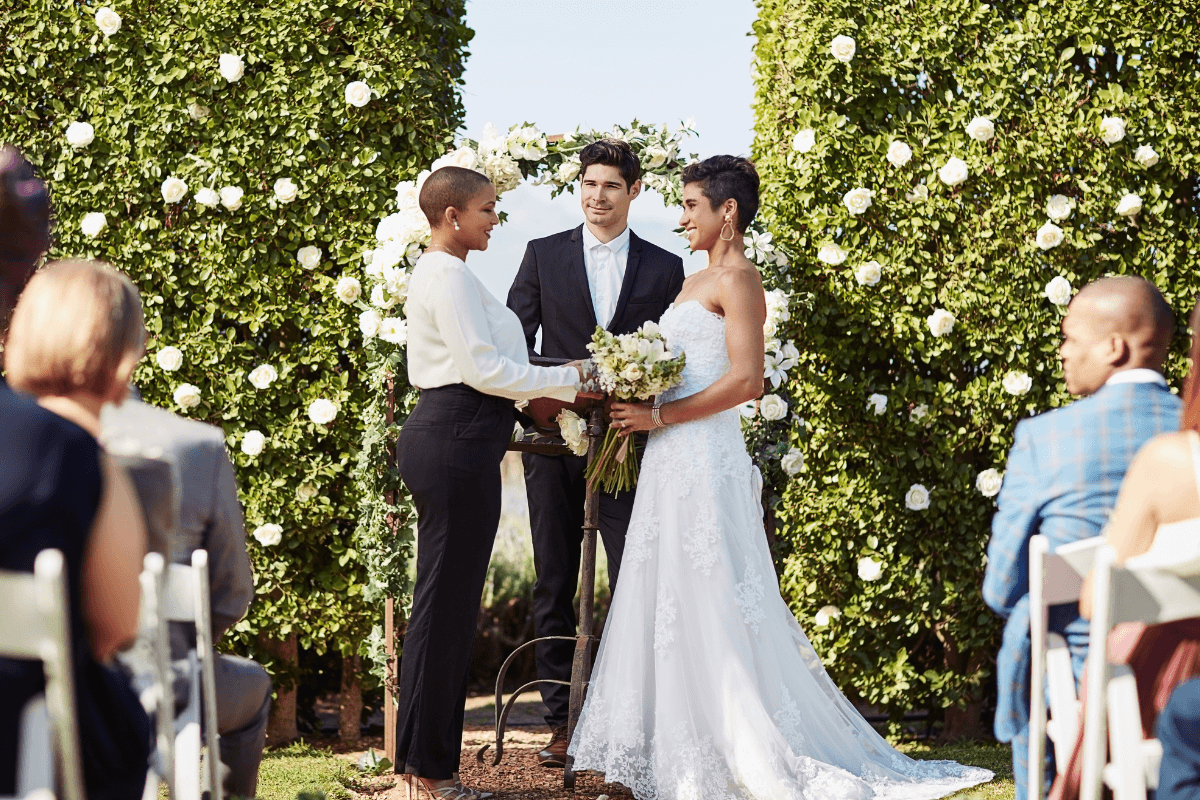
Guests generally benefit from a clear progression. A secular ceremony might include a welcome from the officiant, remarks about marriage or the couple, a reading or story, vows, an exchange of rings, any required declarations, the pronouncement of marriage, and a closing.
You can change that order, remove elements, or add your own.
If you are not sure where to begin, a nonreligious wedding ceremony script can provide a useful framework. You can keep the basic structure while rewriting the language and adding personal elements that fit the couple. ULC’s wedding script generator also helps.
Don't Make the Ceremony Short Just Because It Is Secular
Some couples worry that without prayers, sermons, or religious rituals, there will not be much left to say.
That does not have to be true.
A five-minute ceremony may be exactly what you want, but brevity should be a choice rather than the accidental result of removing religious elements.
Stories, vows, readings, music, symbolic rituals, and remarks from the officiant can all give the ceremony substance.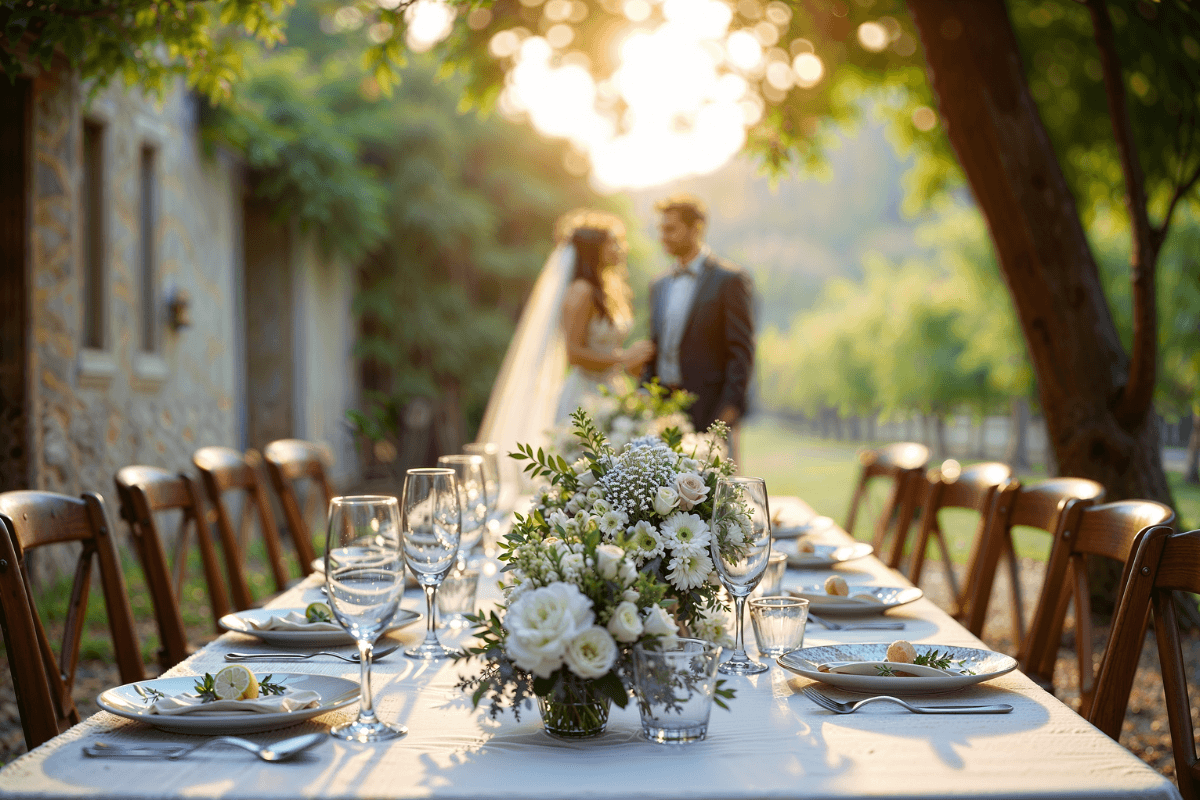
3. Do Make the Ceremony About the Couple
One of the biggest advantages of a secular wedding is the freedom to make it highly personal.
The officiant might talk about how the couple met, what they admire about each other, challenges they have overcome, adventures they have shared, or what their relationship looks like to the people who know them best.
The couple can also write personal vows or choose promises that reflect the kind of marriage they want to build.
Specificity makes a ceremony memorable.
Don't Let Personal Become Embarrassing
Personal stories can bring warmth and humor to a ceremony, but not every good story belongs at the altar.
The officiant should avoid anecdotes that might embarrass the couple, reveal private information, revisit painful experiences without permission, or rely on inside jokes that most guests will not understand.
If a story is even slightly questionable, ask the couple before including it.
4. Do Use Readings, Music, and Rituals That Mean Something to You
A secular wedding can include readings from literature, poetry, letters, essays, films, or other works that speak to the couple. Music can accompany the processional, a quiet moment during the ceremony, or the recessional.
Couples can also incorporate symbolic rituals.
A unity candle, handfasting-inspired ritual, tree planting, sand ceremony, ring warming, family ritual, or another symbolic act can give guests something tangible to witness while marking the significance of the commitment.
Don't Include a Tradition Just Because Weddings Usually Have One
There is no requirement that a wedding include a unity ceremony, a particular reading, an exchange of rings, or most of the other elements people commonly associate with weddings.
If a tradition does not resonate with you, leave it out.
At the same time, do not discard a tradition simply because it has been used in religious weddings. Some wedding customs have cultural, family, or personal meaning that can work perfectly well in a secular setting.
Choose intentionally rather than automatically keeping or rejecting traditions.
5. Do Think Carefully About Language
The officiant should confirm how the couple wants to be addressed, including names, pronouns, titles, and any terminology such as bride, groom, spouse, partner, husband, or wife.
Family language deserves the same attention.
Not every couple wants to be "given away." Not everyone has a traditional relationship with parents or family. Some couples may want children, stepchildren, grandparents, or chosen family acknowledged during the ceremony.
A ceremony without a prescribed religious format gives you plenty of freedom to use language that reflects the people actually standing in front of you.
Don't Rely on a Traditional Script Without Reviewing It
Many older wedding scripts contain religious references, assumptions about gender roles, or language that may not fit the couple.
If you are adapting an existing ceremony script, read through every section together. Change anything that sounds unnatural, outdated, overly religious, or simply unlike the couple.
6. Do Decide How You Want to Handle Family and Religious Expectations
In an interfaith or mixed-belief family, different relatives may have very different ideas about what a wedding should look like.
Parents or grandparents may expect a prayer, blessing, scripture reading, or other tradition. Couples should discuss those expectations before the ceremony is written.
Sometimes there is a compromise that feels right. A family member might offer a personal reading instead of a prayer, for example. A cultural tradition might remain while explicitly religious language is removed.
Don't Add Religious Elements Just to Avoid an Awkward Conversation
The ceremony should represent the people getting married.
If the couple does not believe the language being used, including it simply to meet someone else’s expectations can make the ceremony feel inauthentic.
Family relationships matter, and those conversations can require sensitivity. But the couple should ultimately understand and approve what will be said during their ceremony.
7. Do Choose an Officiant Who Understands the Tone You Want
The officiant has an especially important role in a secular ceremony because much of the meaning comes from the words they choose.
Some couples hire a professional officiant. Others ask a friend, sibling, relative, or another person close to them to perform the wedding.
Having a friend officiate can work particularly well for a personal ceremony. Someone who already knows the couple may be able to tell their story better.
If you are considering this option, choose someone comfortable speaking in front of people and who will take the responsibility seriously.
A friend who is not already a minister can get ordained online for free through the Universal Life Church before officiating, subject to the applicable rules where the wedding will take place.
Don't Assume Knowing the Couple Is Enough Preparation
Being a close friend and being a prepared officiant are two different things.
A first-time officiant should work with the couple on the script, practice delivering it aloud, understand the order of the ceremony, know what to do with the marriage license, and check any legal requirements that apply to officiants in that jurisdiction.
8. Do Remember the Legal Side of the Ceremony
A personalized secular ceremony still has to satisfy the marriage laws where the wedding takes place.
The exact requirements vary by jurisdiction. Depending on the location, there may be rules about who can officiate, whether the officiant must register, what must occur during the ceremony, witness requirements, and how the marriage license is completed and returned.
Couples and officiants should check those requirements before finalizing the ceremony.
This is particularly important when a friend or family member will be officiating for the first time.
Don't Assume the Script Alone Makes the Marriage Legal
A beautiful ceremony script is only one part of getting married.
The couple still needs to obtain the correct marriage license, and the officiant must meet any applicable requirements. After the ceremony, the marriage license must also be completed and handled according to local rules.
Take care of the legal details in advance so that everyone can focus on the ceremony when the wedding day arrives.
Create a Ceremony That Reflects Your Relationship
A nonreligious ceremony is an opportunity to define what marriage means to you and express it in your own way.
It can be funny, heartfelt, formal, relaxed, traditional, unconventional, or a mix of styles. What matters is choosing words, traditions, and values that reflect your relationship.
If a friend or family member will perform the ceremony, they can get ordained online for free through the Universal Life Church. ULC also offers a customizable nonreligious wedding ceremony script and wedding resources to help first-time officiants prepare and understand local marriage requirements.
 Frequently Asked Questions About Secular Wedding Ceremonies
What is a nonreligious wedding ceremony?
A nonreligious wedding ceremony is a marriage ceremony that is not based on the doctrine, prayers, scripture, or rituals of a particular religion. It may instead focus on the couple's relationship, values, commitment, family, and community.
Is a secular wedding the same as a civil wedding?
Not necessarily. The terms can overlap, but a civil wedding generally refers to a legally recognized ceremony performed without a religious service and is often associated with courthouse or government ceremonies. A secular wedding may take place almost anywhere and can be as personalized or elaborate as the couple wants.
What do you say at a wedding if you are not religious?
An officiant can talk about the couple's relationship, the meaning of commitment, the life they have built together, and the promises they are making. The ceremony can also include personal vows, poetry, literature, music, stories, or symbolic rituals.
Can you include traditions in a secular wedding?
Yes. Couples can include any traditions that are meaningful and appropriate for them. Some traditions have cultural or family significance beyond religion, while other rituals can be adapted for a ceremony without religious references.
How long should a secular wedding ceremony be?
There is no required length beyond whatever legal requirements apply where the wedding takes place. Many couples prefer a concise ceremony, while others include readings, stories, rituals, and personal vows that make the ceremony longer. The appropriate length is whatever allows the ceremony to feel complete without adding material simply to fill time.
Can a friend officiate a nonreligious wedding?
Depending on local law, a friend or family member may be able to become ordained instantly for free via ULC and perform the ceremony. Couples should check the marriage and officiant requirements for the state and jurisdiction where they plan to marry before making arrangements.
Does a secular wedding ceremony need vows?
Vows are a meaningful part of many ceremonies, but the legal requirements surrounding the exchange of consent vary by jurisdiction. Couples may choose traditional vows, write their own, repeat vows provided by the officiant, or combine approaches.
Where can I find a nonreligious wedding ceremony script?
The Universal Life Church offers a customizable nonreligious wedding ceremony script that can provide a starting structure for couples and officiants. From there, you can add personal vows, readings, stories, rituals, and other elements that make the ceremony your own.