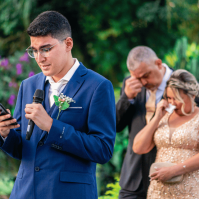
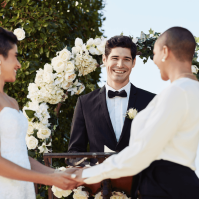
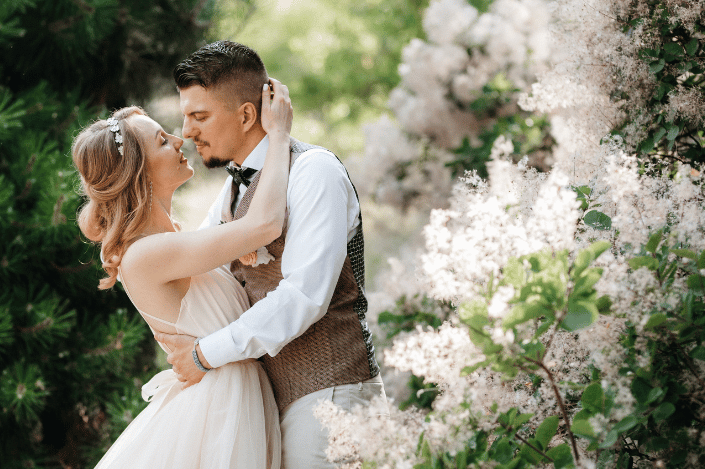
 A wedding is the ceremony in which two people get married. It marks the start of a marriage and may also reflect the couple’s legal, religious, cultural, or personal values.
A wedding and a marriage are related, but they are not the same: the wedding is the event, while the marriage is the relationship that follows.
Key Takeaways
- A wedding is the ceremony or celebration associated with two people getting married.
- A marriage is the ongoing relationship and, in many contexts, the legal status created by getting married.
- Weddings can serve legal, religious, cultural, social, and personal purposes.
- There is no single “true” meaning of a wedding. Its significance depends on the couple, their beliefs, and their community.
- Wedding traditions vary widely, and a ceremony does not have to follow a particular religion or format to be meaningful.
What Is the Definition of a Wedding?
A wedding is a ceremony in which people get married. Merriam-Webster defines a wedding as a marriage ceremony, usually together with its accompanying festivities.
That basic definition leaves plenty of room for variation.
A wedding might take place in a church, courthouse, backyard, beach, temple, hotel, or virtually any other appropriate setting. It might include prayers and religious rituals, or it may be entirely secular. Some weddings have hundreds of guests, while others include only the couple, an officiant, and any witnesses required by law.
The ceremony itself can also vary. Many weddings include vows, a declaration of intent, an exchange of rings, and a pronouncement, but these traditions are not universal. Our guide to the elements of a wedding ceremony explains how the different parts of a modern ceremony typically fit together.
What Is the Difference Between a Wedding and a Marriage?
The simplest difference is this:
- A wedding is an event or ceremony.
- A marriage is the relationship or legal status associated with being married.
A wedding may last only a few minutes or several hours. A marriage is intended to continue after the wedding day.
From a legal perspective, the distinction becomes especially important. The Legal Information Institute at Cornell Law School describes marriage as a legal union involving factors such as the parties' legal ability to marry and their mutual consent.
The wedding ceremony can be one step in creating that legal union, but requirements differ depending on where the marriage takes place. Couples may need a marriage license, an authorized officiant, witnesses, certain declarations, or other formalities.
That is why a wedding celebration and a legally valid marriage are not automatically the same thing. A couple could hold a symbolic wedding ceremony without creating a legal marriage, while another couple might complete a very simple legal ceremony without hosting a large traditional wedding.
Couples and officiants should always check the applicable state wedding laws before the ceremony.
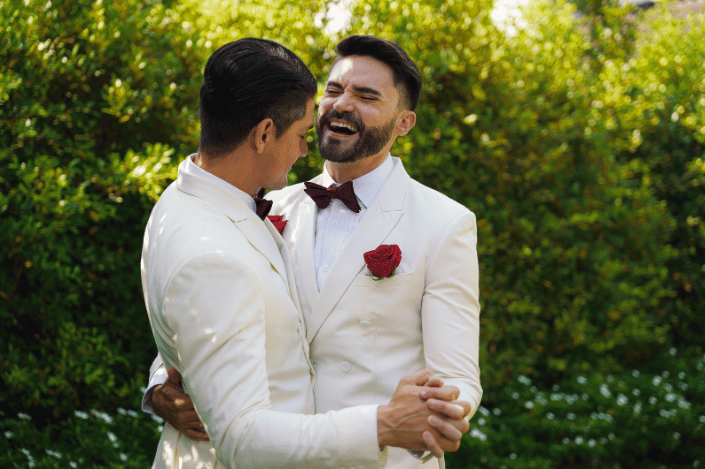
What Is the Purpose of a Wedding?
At its most basic level, a wedding marks the beginning of a marriage. But weddings often serve several purposes at the same time.
To Express Commitment
The ceremony gives the couple an opportunity to publicly express their intention to share their lives. Vows, declarations of intent, rings, and other rituals can give that commitment a visible form.
To Create a Legal Marriage
For couples seeking a legally recognized marriage, the wedding ceremony may be part of the legal process.
Exactly what must happen during the ceremony varies by jurisdiction. The couple may also need to obtain and properly complete a marriage license before the marriage can be officially recorded.
To Mark a Life Transition
Weddings are also rites of passage. They mark a transition from one stage of life or relationship into another.
For some couples, that transition has strong religious significance. For others, it is primarily personal, cultural, familial, or social.
To Bring a Community Together
Family members, friends, religious communities, and other loved ones may gather to witness the couple's promises and celebrate with them. In this sense, a wedding can make a private commitment public.
To Celebrate
A wedding is also a celebration. Receptions, meals, dancing, music, speeches, clothing, decorations, and other traditions allow the couple and their guests to commemorate the occasion.
For some couples, a courthouse ceremony or intimate elopement can carry just as much meaning.
What Is the True Meaning of a Wedding?
There is no single meaning that applies to every wedding. A wedding does not need to follow one particular tradition to be meaningful.
Religious couples may incorporate scripture, blessings, or rituals from their faith. Couples who prefer a secular ceremony can instead center the event on love, commitment, family, shared values, and their story together. Our guide to nonreligious wedding ceremonies explores ways to create that kind of ceremony.
What Happens at a Wedding?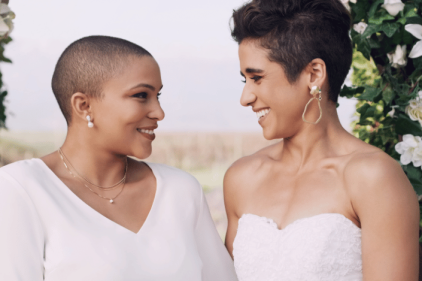
Although every wedding is different, many ceremonies follow a recognizable structure.
A typical wedding might include:
- Processional
- Welcome from the officiant
- Readings or remarks
- Declaration of intent
- Wedding vows
- Exchange of rings
- Special religious or cultural rituals
- Pronouncement of marriage
- Recessional
None of these elements makes a wedding meaningful by itself, and not every ceremony includes all of them.
Couples can adapt the structure to their beliefs and preferences. ULC's collection of wedding ceremony scripts includes examples ranging from traditional and religious ceremonies to modern, secular, and customized weddings.
Do Weddings Have to Be Religious?
No. Weddings can be religious, secular, spiritual, civil, or a mixture of traditions.
For many faiths, marriage carries religious meaning, and the wedding includes rituals associated with that tradition. Christian, Jewish, Muslim, Hindu, Pagan, and other wedding ceremonies may each express different understandings of marriage.
Other couples choose a nonreligious wedding focused on their relationship rather than a particular faith.
This diversity is one reason there is no single universal definition of what a wedding must look like. The ceremony can change considerably while its central purpose, marking a marriage and the commitment surrounding it, remains recognizable.
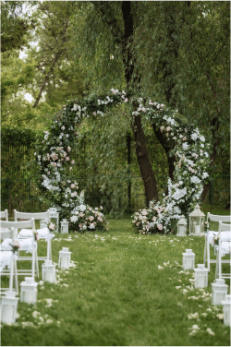
What Is the Thing People Get Married Under Called?
The decorative structure that couples often stand beneath during an outdoor or modern wedding is usually called a wedding arch or wedding arbor.
However, there is no universal term because some religious and cultural traditions use their own ceremonial structures.
For example:
- In Jewish weddings, couples traditionally marry beneath a chuppah.
- Hindu weddings commonly take place beneath a mandap.
- Secular and Christian weddings may use an arch, arbor, floral installation, or no structure at all.
These structures may be decorative, symbolic, religious, or a combination of the three.
A Wedding Can Be as Personal as the Marriage
Weddings have changed enormously across cultures and generations, but one idea remains consistent: the ceremony creates a moment for people to recognize and celebrate a commitment.
That might mean following generations of religious tradition, designing an entirely secular ceremony, or blending customs that represent both partners.
And the person standing beside the couple can make the occasion even more personal. If someone you love has asked you to perform their ceremony, you can get ordained online through the Universal Life Church. Be sure to review the local marriage requirements where the ceremony will take place before the big day.
Frequently Asked Questions About Weddings
What is a wedding in simple terms?
A wedding is a ceremony in which people get married. It may also include celebrations such as a reception, meal, music, dancing, or other religious and cultural traditions.
Is a wedding the same thing as marriage?
No. A wedding is the ceremony or event marking the marriage, while marriage refers to the relationship and, where applicable, the legal status that continues afterward.
What is the main purpose of a wedding?
A wedding formally marks a couple's decision to marry. Depending on the couple, it may also serve legal, religious, cultural, social, and personal purposes.
What is the meaning behind a wedding?
The meaning varies. Weddings can represent love, commitment, partnership, religious covenant, family, community, or the beginning of a new stage of life.
Does a wedding have to include vows and rings?
Not necessarily. Vows and rings are common traditions, but wedding customs vary widely. Couples should also distinguish optional traditions from any legal ceremony requirements that apply where they are getting married.
Can you be married without having a traditional wedding?
Yes. A couple does not need a large or traditional celebration to marry. The requirements for creating a legally valid marriage depend on the jurisdiction where the marriage takes place.