 Marriage carries different meanings across religious traditions. It can be a sacred covenant, religious duty, spiritual partnership, legal contract, or a combination of these.
Explore how major traditions understand marriage to understand why wedding ceremonies, vows, and symbols vary so widely.
Key Takeaways
- Religions do not share one universal definition of marriage.
- Christianity often emphasizes covenant, while Catholicism specifically considers marriage a sacrament.
- Judaism connects marriage with sanctification, commitment, family, and creating a Jewish home.
- Islam treats marriage as both a religious commitment and a contract based on consent and mutual responsibilities.
- Hindu traditions commonly view marriage as a sacred rite of passage into the householder stage of life.
- Buddhism generally does not treat marriage as a sacrament, but Buddhist teachings can guide couples toward mutual respect and ethical partnership.
- Sikh marriage emphasizes a shared spiritual journey as well as commitment between spouses.
How Do Different Religions View Marriage?
Marriage may establish new responsibilities between spouses, unite families, create a religiously recognized household, or provide a framework for spiritual growth. However, the exact meaning varies among religions and even among denominations, communities, and individuals within the same tradition.
Here are some of the major approaches.
What Does Marriage Mean in Christianity?
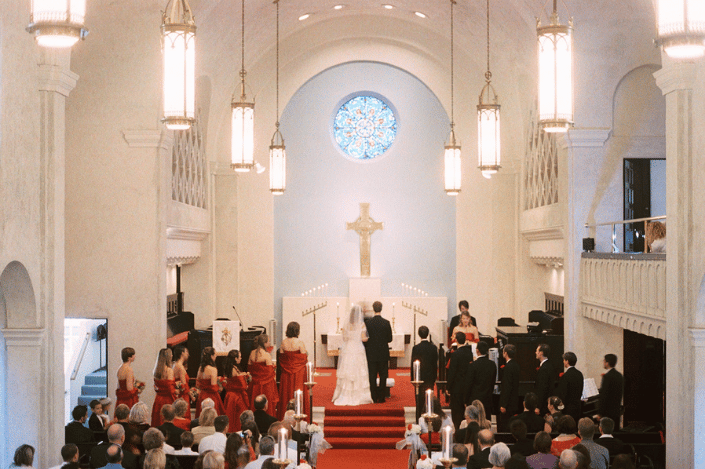
In Christianity, marriage is commonly understood as a committed union made before God.
Many Christian traditions describe marriage as a covenant, emphasizing faithfulness, mutual commitment, and a lifelong relationship. Biblical passages about love, partnership, and devotion are therefore frequently incorporated into Christian wedding ceremonies.
Different denominations interpret marriage somewhat differently. In Catholic teaching, for example, marriage between baptized spouses is considered one of the Church's sacraments. It is a lifelong partnership directed toward the good of the spouses and family life.
Protestant and Orthodox traditions have their own theological understandings, so there is no single Christian position that captures every denomination.
Couples and officiants looking specifically at ceremony structure can also explore our guide to religious wedding ceremonies.
 What Does Marriage Mean in Judaism?
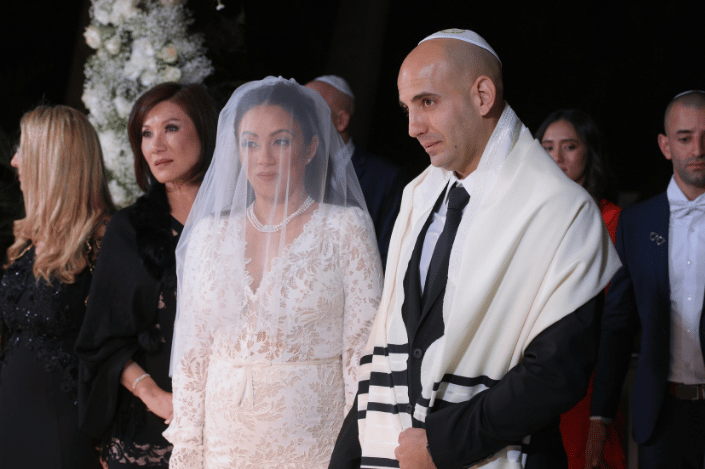
In Judaism, marriage traditionally combines religious, legal, familial, and communal dimensions.
The Hebrew term kiddushin is commonly associated with sanctification or consecration. Traditional Jewish marriage includes two stages, kiddushin and nisu'in, creating a formally recognized marital relationship.
Marriage also has a strong connection to creating a home and building a shared life. This meaning is reflected in familiar Jewish wedding traditions, including the ketubah, or marriage contract, and the chuppah under which the couple marries.
Our guide to what to expect at a Jewish wedding explains how many of these ideas appear in the ceremony itself.
As with Christianity, Jewish beliefs and practices vary among Orthodox, Conservative, Reform, and other Jewish communities.
 What Does Marriage Mean in Islam?
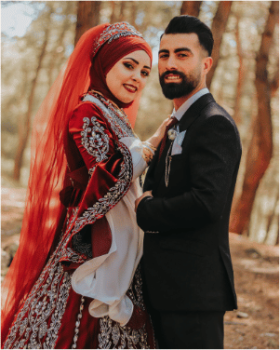
In Islam, marriage, or nikah, is both a religious commitment and a contractual relationship.
Consent is central to the marriage, and spouses assume responsibilities toward one another. The marriage agreement also traditionally includes the mahr, a gift from the groom to the bride.
The Quran describes the relationship between spouses in terms of tranquility, affection, and mercy in Surah Ar-Rum 30:21.
Marriage therefore has personal, religious, social, and legal dimensions in Islamic tradition. Exact customs can differ considerably across Muslim communities and cultures.
For a closer look at the ceremony, see our introduction to Muslim weddings and the nikah.
What Does Marriage Mean in Hinduism?
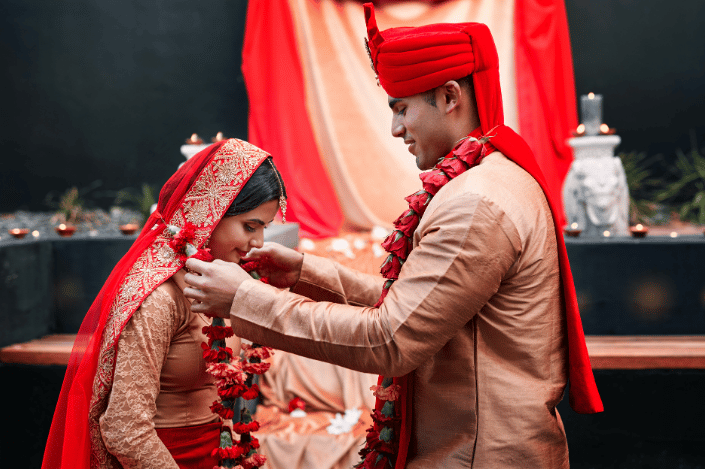
In many Hindu traditions, marriage is known as vivaha and is considered a samskara, or sacred rite of passage.
Marriage traditionally marks entry into the grihastha, or householder, stage of life. Rather than focusing only on the relationship between two individuals, marriage can also involve religious duties, family responsibilities, community, and the establishment of a household.
Many Hindu ceremonies express this idea through the sacred fire and saptapadi, the seven steps taken by the couple. The steps symbolize commitments connected with building a life together. Hindu traditions differ substantially by region, community, language, and family practice.
What Does Marriage Mean in Buddhism?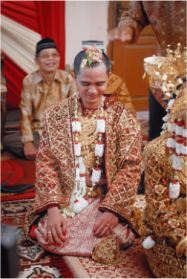
Buddhism generally takes a different approach to marriage.
Marriage is not typically considered a Buddhist sacrament or a religious requirement. Instead, it has traditionally been treated primarily as a personal and social relationship. Buddhist teachings can nevertheless shape how spouses approach that relationship.
A Buddhist perspective on marriage may emphasize mutual respect, compassion, responsibility, patience, and understanding. Buddhist communities have also developed their own wedding practices based on local cultures and schools of Buddhism.
This is why there is no single universal Buddhist wedding ceremony. In some traditions, monks may offer teachings or blessings without actually performing the marriage itself.
What Does Marriage Mean in Sikhism?
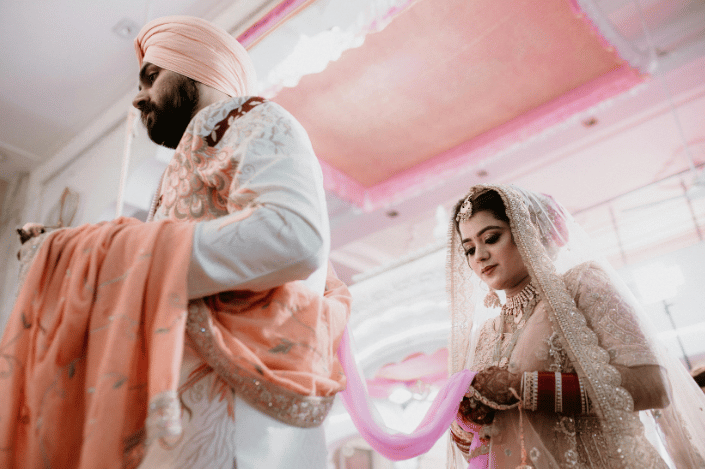
The Sikh wedding ceremony is called Anand Karaj, often translated as the "ceremony of bliss."
Besides the commitment between two spouses, Sikh marriage also emphasizes their shared spiritual path to help one another recognize the Divine Presence. During the ceremony, the couple walks around the Guru Granth Sahib as verses known as the Laavan are sung.
Marriage is therefore understood as both companionship and spiritual partnership.
 What Does Marriage Mean in Pagan and Wiccan Traditions?
Paganism and Wicca encompass many different traditions, so there is no single doctrine of marriage.
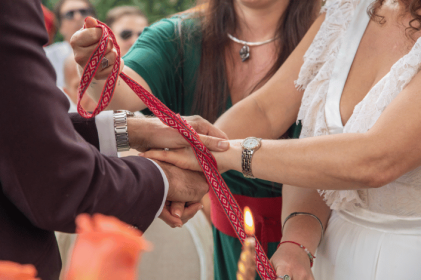
One practice commonly associated with modern Pagan and Wiccan weddings is handfasting, in which the couple's hands are bound with cords or ribbons. The ritual symbolizes their bond and commitment to one another.
Some couples use handfasting as their central wedding ritual, while others incorporate it into a broader religious or secular ceremony.
What Do These Religious Views of Marriage Have in Common?
Despite important theological differences, several themes appear repeatedly across religious approaches to marriage:
- Commitment between partners
- Responsibilities toward one another
- Family and community
- Faithfulness or loyalty
- Building a shared life
- Public recognition of the relationship
- Spiritual or ethical growth
Those similarities should not erase the differences. A Christian understanding of covenant, an Islamic nikah, a Hindu vivaha, and a Sikh Anand Karaj are not interchangeable.
For couples planning a religious or interfaith wedding, understanding what marriage means within their traditions can help determine which prayers, readings, vows, and rituals genuinely belong in the ceremony rather than including traditions only for appearance.
What About Marriage Without Religion?
Secular and humanist couples may understand marriage primarily as a voluntary commitment to partnership, love, mutual support, and a shared future. Humanist wedding ceremonies, for example, typically focus on the couple's relationship, values, and personal promises rather than religious doctrine.
This also gives couples considerable freedom to create a ceremony reflecting what marriage means to them personally.
Bringing a Couple's Beliefs Into Their Wedding Ceremony
An officiant does not need to make every wedding follow the same definition of marriage. Their role is to understand what marriage means to the couple and create a ceremony that respects those beliefs.
That can be especially meaningful when the officiant is someone the couple already trusts. Get ordained online through the Universal Life Church to officiate weddings for your friends and family. Help them create a ceremony that reflects their relationship, faith, and values.
Frequently Asked Questions About Marriage in Different Religions
Do all religions view marriage the same way?
No. Some religions understand marriage as a sacrament or sacred covenant, while others emphasize religious duty, contractual obligations, spiritual partnership, or social commitment. Views can also differ considerably within the same religion.
Which religions consider marriage a sacrament?
Catholic Christianity explicitly recognizes matrimony as a sacrament. Other Christian traditions use different terminology and theological frameworks, while religions such as Buddhism generally do not treat marriage as a sacrament.
Is marriage always a religious institution?
No. Marriage can have religious, legal, cultural, and personal meanings. Many people marry through secular or civil ceremonies without attaching religious significance to the relationship.
Can an interfaith couple combine marriage traditions?
Often, yes. Interfaith couples may incorporate readings, rituals, blessings, or symbolism from more than one tradition. Because individual religious communities have different rules, couples should speak with their religious leaders and officiant before combining practices.
Why do religions have different wedding traditions?
Wedding traditions reflect different beliefs about marriage, family, community, spirituality, and the responsibilities spouses assume. The ceremony often expresses those underlying beliefs symbolically.
Is a religious wedding required for a legal marriage?
Not necessarily. Religious requirements and civil marriage laws are separate matters. Couples should check the marriage laws where their wedding will take place to determine what is required for legal recognition.