Key Takeaways
- The wedding charge is a short address the officiant gives directly to the couple, usually right before the vows, to remind them of the seriousness of the promises they're about to make.
- A strong charge to the wedding couple typically includes three parts: a statement about the weight of marriage, practical advice for the years ahead, and a smooth transition into the vows.
- The wording of a wedding charge varies widely across traditions, from formal Christian language spoken in the presence of God to personalized advice in secular ceremonies.
Previous Step: Special Wedding Rituals
If the couple has chosen a unity ceremony or other special wedding rituals, it usually takes place before the wedding charge. Learn how to guide these meaningful moments with confidence.
Wedding Charge at a Glance
- Purpose: Reminds the couple of the significance of marriage
- Who gives it: The wedding officiant
- Who it's addressed to: The couple
- When it's delivered: Before the vows (usually after the readings and opening remarks)
- Typical length: 30–60 seconds
- Required?: No, but commonly included in many ceremonies
Understanding the Wedding Charge in a Wedding Ceremony
The wedding greeting welcomes the guests. The readings share wisdom. But there comes a point in every ceremony when the officiant turns away from the crowd, looks the couple in the eyes, and speaks only to them. That moment is the wedding charge, and it often becomes the part of the ceremony the couple remembers most.
If you're preparing to officiate a wedding ceremony, understanding the purpose of the charge helps you deliver it with confidence instead of just reading words off a page. Here's what the charge is, why it matters, and how to shape one for any couple standing in front of you.
What Is the Wedding Charge?
The wedding charge, sometimes called the "charge to the couple" or the "charge to the bride and groom," is a brief address the officiant delivers directly to the couple before they exchange vows.
The word "charge" here means a solemn instruction or responsibility. In other words, you’re formally handing the couple the duty of honoring the promises they're about to make.
Think of the charge as the officiant's way of saying, "Pause. Understand what you're doing. These words will follow you for the rest of your lives." It's a moment of gravity in an otherwise celebratory event, and that contrast is exactly what makes it powerful.
Where the Charge Fits in the Ceremony
The charge usually comes after the greeting, readings, and any opening remarks, and just before the declaration of intent and the vows. When you officiate a wedding, you can think of the charge as the hinge of the ceremony. Everything before it sets the scene, and everything after it seals the commitment.
In some traditions, the wedding charge and the declaration of intent blend together. The officiant reminds the couple of the seriousness of marriage, then immediately asks them to confirm they enter it freely. Other ceremonies keep the two elements separate, letting the charge stand on its own as a reflective pause.
How the Charge Differs From the Vows
The charge to the bride and groom and the vows both deal with the promises of marriage, but they come from different voices. The vows are the couple's words, spoken to each other. The charge is your words as the officiant, spoken to the couple.
The vows say, "I promise." The charge says, "Here is what that promise will ask of you." Delivered well, the charge makes the vows that follow land with more weight.
What To Include in a Charge to the Wedding Couple
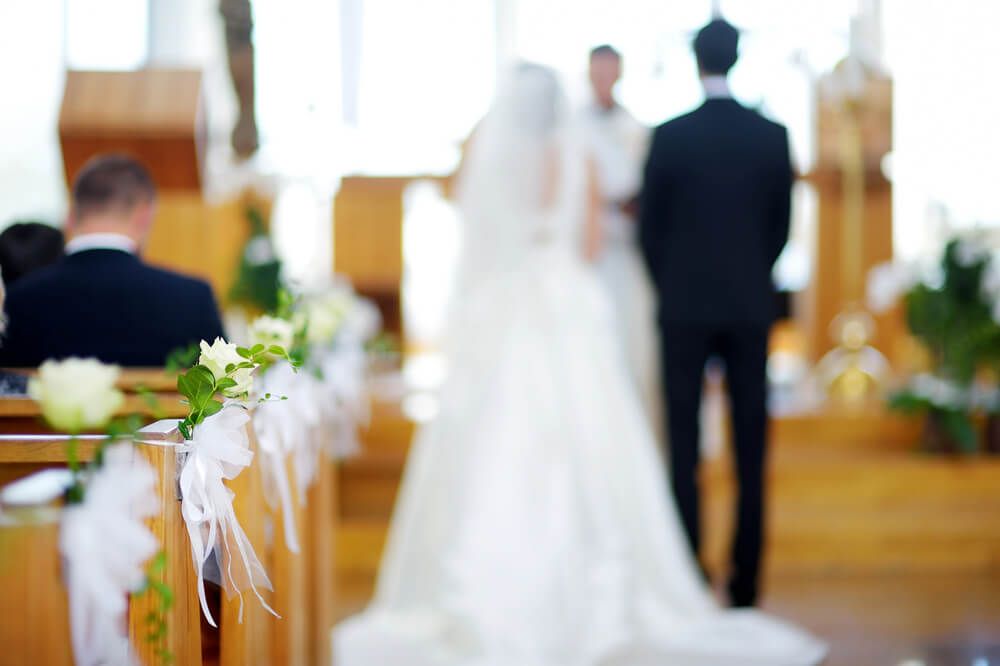
There's no single required wedding charge script, but most versions of it contain the same three concepts. Once you understand them, you can write a charge for any couple, in any style.
A Statement About the Weight of Marriage
Open by naming what's happening. Marriage is a lifelong commitment, and the charge acknowledges that. This can sound formal ("the covenant you are about to make") or plainspoken ("the promises you make today will shape every day that follows"). Either way, this opening line shifts the room's energy from celebration to focus.
Advice for the Years Ahead
The heart of the charge is guidance. Remind the couple what actually sustains a marriage after the flowers wilt and the guests go home. Common themes include:
- Treating each other with patience and respect
- Forgiving quickly and refusing to hold grudges
- Choosing kindness during conflict
- Staying loyal through hardship and change
- Making time for laughter and gratitude
- Leaning on faith, family, or community for support
Pick two or three themes that fit the couple, and say them in a way that matches the tone of the ceremony.
A Bridge Into the Vows
End the charge by pointing forward. A closing line like "with these things in mind, are you ready to make your promises?" tells the couple and the guests that the vows come next. If you're adapting a full wedding script, check that your charge flows naturally into the declaration of intent so the ceremony doesn't stall between elements.
How the Wedding Charge Changes Across Religions and Cultures
The charge to the couple is one of the most flexible elements in a marriage ceremony, and its tone shifts dramatically depending on the couple's background. As the officiant, your job is to match the wording to their beliefs, not to your own defaults.
Christian Wedding Ceremonies
The charge has deep roots in Christian liturgy, where it traditionally begins with language like "I charge you both, as you stand in the presence of God." In these ceremonies, the charge frames marriage as a covenant made before God, not just between two people.
Officiants often weave in scripture, drawing on passages about love, kindness, and commitment from books such as Corinthians or Ephesians to ground the advice in the couple's faith.
Jewish and Interfaith Wedding Ceremonies
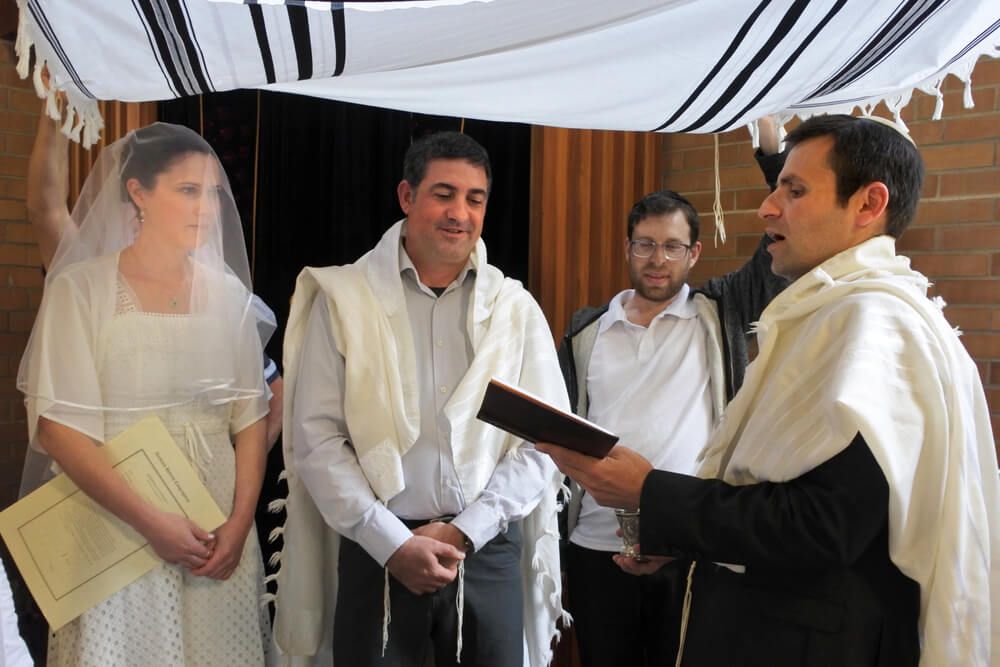
Many Jewish weddings replace the formal charge with a personal address from the rabbi or officiant, often delivered under the chuppah. The officiant speaks about the couple's character and offers blessings for their home together.
For interfaith couples, the wedding charge is a natural place to blend traditions, since you can honor both backgrounds through shared values like devotion, gratitude, and family without favoring either faith's formal liturgy.
Secular and Civil Wedding Ceremonies
In secular ceremonies, the charge drops religious framing entirely and leans into practical, heartfelt advice. These charges tend to sound like wisdom from a trusted friend: be patient, keep laughing, apologize first.
Because there's no fixed liturgy to follow, secular charges give you the most creative freedom, and couples often ask for wording that reflects their personalities or their story.
Sample Wedding Charge Wording
The following wedding charge examples show how the same elements can be presented in many different ways. Each sample runs 30 to 60 seconds when spoken aloud, which is the sweet spot for this part of the ceremony. Adapt the names, trim the lines, and adjust the tone until it fits the couple you're marrying.
Traditional Religious Charge Example
A religious wedding charge suits couples who want formal, faith-centered language and a sense of ceremony.
"[Name] and [Name], as you stand before God and these witnesses, I charge you to consider the sacred promise you are about to make. Marriage asks for faithfulness in seasons of plenty and seasons of struggle alike. If you keep the vows you speak today and seek God's guidance in your life together, your home will be a place of peace, and your love will deepen with every passing year."
Modern Secular Charge Example
A secular wedding charge trades formality for honesty and works well in civil or nonreligious ceremonies.
"[Name] and [Name], before you speak your vows, I want you to remember this room and the love inside it. Marriage will bring you mornings of joy and evenings of frustration, sometimes in the same week. When the hard days come, choose patience over pride. Listen before you answer. And never stop noticing the person beside you, because that person chose you, and keeps choosing you still."
Lighthearted Charge Example
Playful couples may want a more lighthearted or funny wedding charge without losing its meaning.
"[Name] and [Name], in a moment you'll make some big promises, so let me offer a little advice first. Say thank you often. Take turns picking the movie. Apologize first, even when you're sure you're right, and especially when you're sure you're right. Marriage is built from a thousand small kindnesses, and you two have been practicing them since the day you met."
Tips for Delivering the Wedding Charge
Writing a good charge to the wedding couple is half the job. Delivering it well is the other half, and a few habits separate a forgettable charge from one that draws tears.
Address the Couple
Speak to the couple, not the crowd. Turn your body toward them, use their names, and hold eye contact. Guests will feel the intimacy of the moment even though the words aren't aimed at them.
Take Your Time
Slow down. The charge is short by design, usually under a minute, so there's no reason to rush it. Speaking at a deliberate pace signals that every sentence matters. If you're still learning how to perform a wedding, practice reading the charge out loud several times before the big day so the rhythm feels natural.
Honor the Couple
Get the couple's approval in advance. Share your draft during ceremony planning, especially if it includes personal advice or religious language. The charge should reflect the couple’s values, and asking them to take a quick look prevents any surprises at the altar.
Deliver a Meaningful Wedding Charge as an Ordained Minister
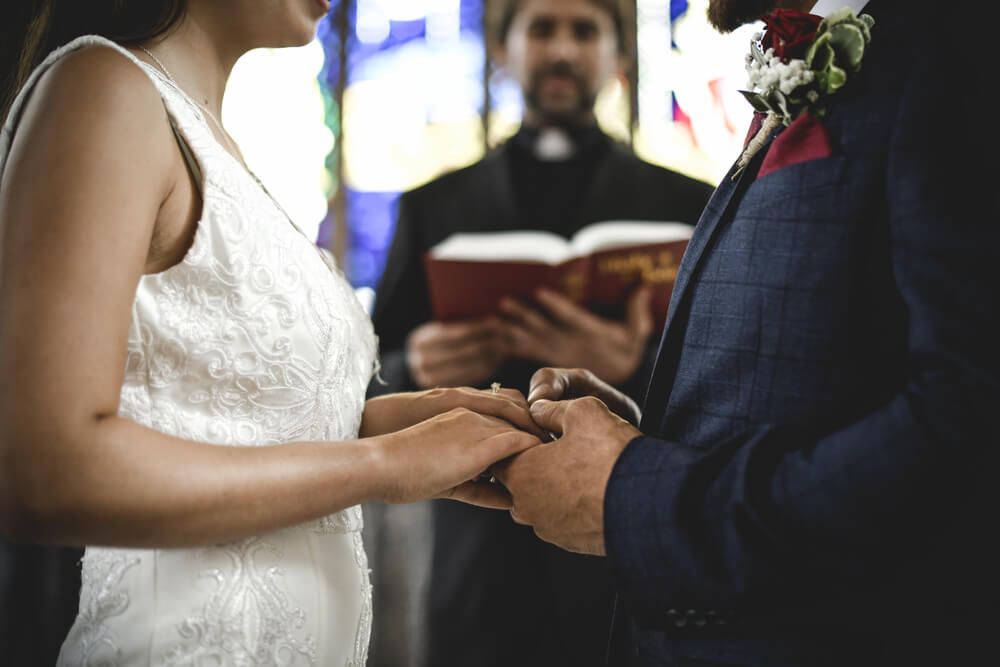
The couples who ask you to officiate their marriage ceremony are trusting you with one of the biggest days of their lives, and moments like the wedding charge are where that trust pays off. The Universal Life Church makes it possible for people of every background to step into that role.
Ordination through the ULC is free. It takes only minutes to complete online and can help you gain the legal authority to perform weddings in many places, depending on local requirements. You'll also join a global community of ministers backed by training resources, ceremony scripts, and ongoing support.
If you feel called to stand beside couples at the altar, become an ordained minister online with the ULC today.
Frequently Asked Questions About the Wedding Charge
What is the purpose of the wedding charge?
The wedding charge reminds the couple of the significance of the commitment they are about to make. It allows the officiant to offer guidance, encouragement, or wisdom before the vows are exchanged, helping transition the ceremony from celebration to lifelong commitment.
Is the wedding charge required in a wedding ceremony?
No. The wedding charge is a traditional ceremony element rather than a legal requirement. Couples may choose to include, shorten, personalize, or omit it altogether depending on their preferences, religious tradition, or ceremony style.
How long should a wedding charge be?
Most wedding charges last between 30 seconds and one minute. Keeping it concise allows the message to remain impactful without interrupting the flow of the ceremony.
Can the wedding charge be personalized?
Yes. Many officiants customize the wedding charge to reflect the couple's personalities, relationship, values, or shared experiences. Personalizing the message often makes it more meaningful while still emphasizing the responsibilities of marriage.
Does every religion include a wedding charge?
Not necessarily. Christian ceremonies often include a formal charge, while Jewish, interfaith, secular, and civil ceremonies may use a personalized address, blessing, or words of encouragement instead. The wording and structure vary widely between traditions.
Can a friend or family member serving as officiant give the wedding charge?
Absolutely. Anyone officiating a wedding—including a friend or relative who has become legally authorized to perform the ceremony—can deliver the wedding charge. Many first-time officiants use a prepared script and tailor it to the couple.
Should the wedding charge come before or after the declaration of intent?
Most ceremonies place the wedding charge immediately before the declaration of intent and the vows. However, some wedding scripts combine the charge with the declaration of intent or move it slightly earlier to fit the ceremony's overall flow.
What's the difference between the wedding charge and the wedding blessing?
The wedding charge is directed to the couple and focuses on the responsibilities and commitments of marriage. A wedding blessing, on the other hand, asks for God's favor or offers good wishes for the couple's future and is often delivered near the end of the ceremony.