Key Points:
- A minister is someone recognized or authorized to perform spiritual or ceremonial duties and support their community.
- Anyone with a sincere desire to serve can become a minister through the Universal Life Church’s open ordination process.
- The title "minister" differs from related roles such as pastor, priest, reverend, and bishop, each with its own tradition and responsibilities.
- Ministers play an important role today by offering meaningful, personalized support to people during major life events.
A minister is someone who is recognized or authorized to carry out spiritual or religious duties for others. Ministers help people during major life events, offer support during difficult times, and serve as leaders or guides in their communities. The role can look different depending on the person, their beliefs, and the needs of the people they serve.
The Universal Life Church believes that every person has the right to follow their own path and, if they feel so-called, to become a minister. Many people seek minister ordination to officiate a wedding, start a personal ministry, support their community, or simply follow a calling rooted in compassion.
But what does it really mean to be a minister? And how is the title "Minister" different from other religious titles? Let's explore these questions.
What Does the Title "Minister" Mean?
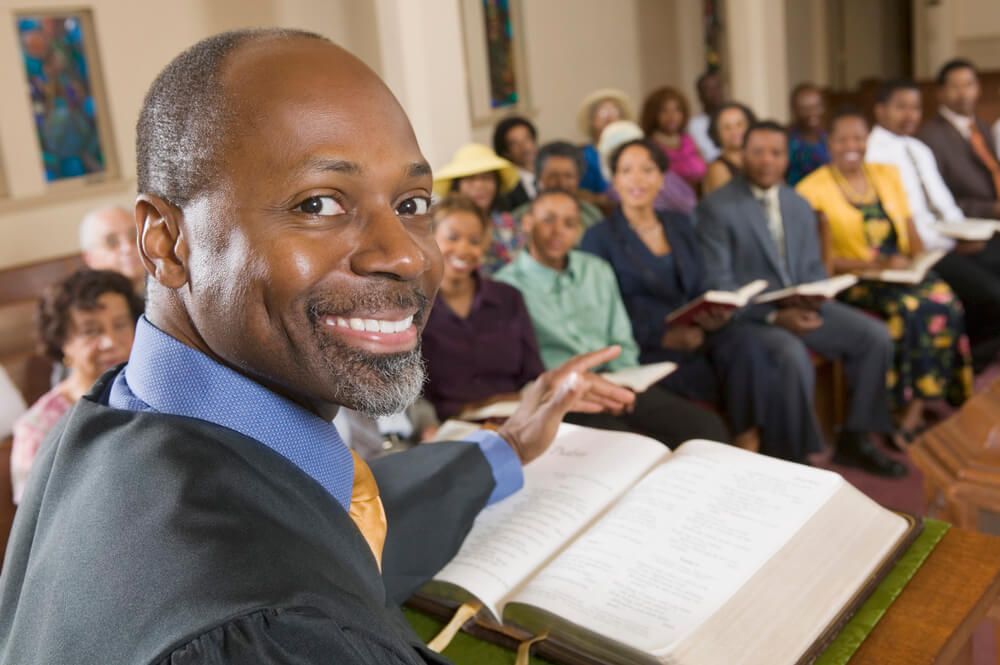
The word "minister" comes from a term that means servant or helper. Today, the title refers to someone who performs spiritual responsibilities. A minister may lead ceremonies such as weddings, funerals, or blessings; offer comfort or guidance, teach or lead gatherings; support people through life changes; or help bring communities together.
A minister does not have to belong to a specific denomination or follow a rigid structure. Many ministers find their path through online ordination, which allows them to begin serving without barriers or long waiting periods.
What matters most when taking on the title of "minister" is the intention to support others.
Who Can Be Called a Minister?
Different traditions have different rules about the use of the title, but in general, a minister is someone who has been given recognition or authority to perform certain religious or ceremonial duties.
A person may be called a minister if they are ordained by a religious organization, lead a spiritual community, perform ceremonies on behalf of others, or choose ministry as a way to serve. Many Universal Life Church ministers identify as spiritual, interfaith, non-denominational, or independent. Others follow specific faith traditions but choose ULC’s open approach to ordination.
Because the ULC welcomes people from all backgrounds, the being a minister is an option available to anyone who feels called to serve in accordance with the two main tenets of the church:
Do that which is right
Practice your faith in accordance with the law and without stepping on the rights of others.
What Does a Minister Do?
Ministers take on many responsibilities, depending on their goals, beliefs, and communities. While every minister serves differently, most perform some combination of the following:
1. A Minister Can Officiate Ceremonies
Ministers lead important life ceremonies, including:
- Weddings
- Funerals and memorials
- Baptisms, baby blessings, or naming ceremonies
- Vow renewals
- House blessings
- Celebration-of-life events
One of the most common reasons people seek ULC ordination is to legally officiate a wedding for family or friends. Once ordained, many discover they enjoy performing other ceremonies as well.
2. A Minister May Offer Spiritual or Emotional Support
Ministers often help people during difficult or meaningful moments. This may include:
- Offering comfort after a loss
- Listening without judgment
- Helping someone explore their spiritual questions
- Providing guidance during big life changes
- Supporting couples preparing for marriage
Many people turn to ministers during times of uncertainty or major transition, seeking a steady voice when life feels overwhelming. A minister may sit with someone who is grieving, offer encouragement to a person facing a difficult decision, or create a safe space for individuals to talk through their beliefs without fear of judgment.
Some ministers provide this support in person, while others connect through phone calls, online meetings, or community message groups. This part of ministry often becomes one of the most meaningful aspects of the role because people rely on their minister for comfort, clarity, and reassurance.
3. A Minister Can Lead or Organize Gatherings
Some ministers speak or teach during services, online meetings, or small groups. Others organize volunteer projects, local outreach, or community events.
Ministry can take place anywhere, including at home, in a park, online, or in a traditional worship space.
4. A Minister Serves Their Community in Practical Ways
Modern ministers often support people through everyday needs, such as coordinating charity efforts, helping neighbors, leading support groups, and connecting people with resources
Ministry is not limited to just preaching in a church or performing rituals. It is often about simple acts of care.
What Is a Minister vs. Pastor?
The terms minister and pastor are often used interchangeably, but they have subtle differences depending on belief systems.
Minister is a broad term for anyone recognized as carrying out spiritual duties. A minister may or may not lead a congregation.
Pastor typically refers to someone who leads a church or congregation, especially in Christian traditions. A pastor usually provides ongoing care for a specific group of people.
The key difference between the two titles is that (in general) every pastor is a type of minister, but not every minister is a pastor.
What Is a Reverend vs. Minister?
While "minister" describes the role someone performs, a reverend is an honorific title or style used in some religious traditions. It is similar to how “Doctor” is used before someone’s name.
Not all ministers are called "reverend," and not all reverends serve as ministers in the same way. In some organizations, “Reverend” is granted after ordination; in others, it requires additional steps.
Ordained ministers of the Universal Life Church are free to go by any title they choose, including "Reverend," if it fits their personal ministry.
What Is a Minister vs. Priest?
In many faiths, the word priest refers to a clergy member with specific sacramental duties and formal training. Priests often follow strict traditions and belong to structured organizations, such as the Catholic, Orthodox, or Anglican churches.
A minister, on the other hand, is a broader term that applies to many spiritual backgrounds and does not require a particular denomination or hierarchy.
The main difference between a minister vs. priest is that priests usually follow set rituals and formal educational paths while ministers can serve across traditions with flexible paths, including ULC ordination.
What Is a Bishop vs. Minister?
A bishop is a leadership role found in some Christian denominations. Bishops often oversee multiple congregations, guide pastors, or manage church operations.
A minister is not required to hold supervisory responsibilities. Ministers focus on service, ceremonies, teaching, or community support.
While a bishop’s role is often administrative and hierarchical, a minister’s role is more varied and based on personal calling.
What Is a Licensed Minister vs. Ordained Minister?
These terms can be confusing because they vary across organizations. An ordination is the formal recognition that someone has the authority to perform ceremonies and spiritual duties. With ULC ordination, ordained ministers can officiate weddings, conduct funerals and memorials, lead blessings, and start ministries or spiritual communities.
In some denominations, a licensed minister is someone allowed to preach or help with services before full ordination.
However, the term "licensed minister" more often refers to an ordained minister who has filed paperwork or registered with a local goverment office – a requirement in some states in order to officiate a wedding. The Universal Life Church provides a state-by-state guide to minister license rules for members who plan to perform a wedding.
Can Anybody Be a Minister?
Yes, anybody can become a minister with the Universal Life Church. The ULC was founded on the belief that every person has the right to choose their own spiritual path, and its open, online ordination process welcomes anyone. If an individual feels called to support others, guide ceremonies, or make a positive difference, the ULC believes they deserve the opportunity to become a minister.
Becoming a minister with the Universal Life Church is free, and the online process takes only minutes to complete. ULC ordination is good for life.
How ULC Supports Modern Ministers
Once ordained, a ULC minister can develop their ministry in many ways. The church provides learning tools, ceremony guidance, and resources for:
- Wedding officiants
- Interfaith and non-denominational ministry
- Baptism and funeral services
- Community leadership
- Alternative faith celebrations
ULC ministers also have access to exclusive supplies such as clergy apparel, ministerial handbooks, ceremony scripts, and other educational materials.
Why the Role of Minister Matters Today
Ministers play an important role in modern society. Many people feel disconnected from traditional institutions but still seek meaning, connection, and spiritual support. Ministers help fill this need through personalized ceremonies, a caring presence, open-minded guidance, and support for people of all backgrounds. ULC ministers serve religious, spiritual, and secular communities alike.
What Is a Minister To You?
A minister is someone who serves, guides, and supports others during life’s most meaningful moments. The role brings responsibility but also opens the door to deep connection and compassion.
Through the Universal Life Church, anyone who feels called to ministry can become ordained and begin serving in a way that reflects their values and beliefs. Whether your goal is to officiate a wedding, offer spiritual guidance, or support your community, your ministry can become a positive force in the lives of others. Become an ordained minister online with ULC today.