Marriage has often carried expectations beyond the relationship itself. For people who couldn't safely live openly, appearing to be a conventional married couple sometimes offered protection. Today, the term lavender marriage is taking on new meanings as people reconsider the role of romance, friendship, and commitment in marriage.
Key Takeaways
- Historically, lavender marriages helped conceal the sexual orientation of one or both spouses, often because of discrimination or social pressure.
- Today, some people use the term for platonic marriages between friends, although this broader meaning remains debated.
- Lavender marriages aren't necessarily loveless, sexless, or legally invalid.
- A lavender marriage is not automatically the same as a platonic marriage or marriage of convenience.
What Is a Lavender Marriage?
A lavender marriage traditionally refers to an opposite-gender marriage intended to conceal the sexual orientation of one or both spouses. Such arrangements could allow someone to appear heterosexual while keeping their identity or same-gender relationships private.
For example, a gay man and a lesbian woman might agree to marry to satisfy family expectations or protect their careers. In some arrangements, both spouses understood the purpose of the marriage; in others, one partner may not have known.
Although concealment was central to the historical definition, these marriages could still involve genuine affection, companionship, and shared responsibilities.
The History of Lavender Marriages
Lavender marriages are closely associated with Old Hollywood, when movie studios exercised considerable control over performers' public images.
Some studio contracts included morality clauses that could threaten an actor's career if their private life challenged prevailing expectations. An opposite-gender marriage could help maintain a publicly acceptable image.
Actor William Haines offers a revealing counterexample. He reportedly refused MGM's pressure to marry a woman and instead remained with his longtime male partner, Jimmy Shields. Although Haines wasn't in a lavender marriage, his experience illustrates the career pressures LGBTQ+ performers faced.
These pressures extended far beyond Hollywood. During the 1950s, the U.S. government's campaign against suspected LGBTQ+ federal employees, known as the Lavender Scare, cost many people their jobs. As documented by the National Archives, federal employment policies reflected the widespread discrimination of the era.
Family expectations, religious pressures, and fear of rejection could also influence someone's decision to marry. For some, appearing heterosexual offered a degree of social protection.
Why Is It Called a Lavender Marriage?
Lavender has long been associated with homosexuality and LGBTQ+ identity. By the early 20th century, the color appeared in coded references to homosexuality and later became associated with LGBTQ+ visibility and activism.
Although lavender marriages are strongly linked to Old Hollywood, the precise origin of the phrase remains uncertain.
What Does Lavender Marriage Mean Today?
In recent years, lavender marriage has gained renewed attention on social media, particularly in discussions about platonic relationships and alternatives to traditional marriage.
Some people now use the term to describe two friends who marry for companionship, financial stability, or shared responsibilities rather than romantic love.
For example, two longtime friends might decide to marry, share a home, and support each other through life's challenges. Neither is hiding their identity, and both openly describe their relationship as platonic.
Some would call this a modern lavender marriage, although it differs from the historical definition because concealment isn't involved.
This broader meaning remains debated. Some LGBTQ+ commentators believe it overlooks the discrimination and safety concerns behind historical lavender marriages. Others see it as a way of recognizing partnerships that don't follow traditional romantic expectations.
Lavender Marriage vs. Platonic Marriage: What's the Difference?
Although these terms overlap, they describe different relationship circumstances.
Lavender marriage: Historically, a marriage intended to conceal sexual orientation. Some people now use the term more broadly for nonromantic partnerships.
Platonic marriage: A marriage centered on friendship and companionship rather than romantic attraction. It doesn't necessarily involve concealing anyone's identity.
Marriage of convenience: A marriage motivated primarily by practical considerations, such as financial security or social expectations, without necessarily involving LGBTQ+ identity.
Mixed-orientation marriage: A marriage between partners with different sexual orientations. Such marriages aren't automatically lavender marriages and may involve openly acknowledged identities and romantic commitment.
The key difference is that these terms describe a couple's motivations, the nature of their relationship, or their sexual orientations, which aren't necessarily the same thing.
Are Lavender Marriages Legal?
A lavender marriage can be legally valid in the United States. The term doesn't describe a separate legal category, and couples generally don't have to demonstrate romantic attraction to marry.
Like other couples, they must meet their jurisdiction's marriage requirements, including eligibility and licensing.
However, legal marriage creates responsibilities involving finances, property, inheritance, and potentially divorce. Marrying specifically to deceive authorities or improperly obtain certain benefits can also raise legal concerns.
Couples should understand the applicable state marriage laws and seek qualified legal advice when necessary.
What Should Couples Consider Before Entering a Lavender Marriage?
For couples choosing an unconventional marriage, mutual understanding is particularly important.
Partners should discuss their expectations around finances, privacy, outside relationships, parenting, and long-term responsibilities. They should also consider what happens if either person's needs or circumstances change.
Privacy deserves special attention. Choosing not to disclose personal information publicly is different from withholding important information from a future spouse.
A marriage built around friendship or practical partnership can involve genuine trust, care, and commitment. What matters is that both people understand and freely agree to the relationship they're entering.
Creating a Wedding Ceremony That Reflects Your Relationship
Whether a couple's relationship is romantic, platonic, or something more personal, their wedding ceremony can reflect the commitments they want to make.
Couples might choose vows emphasizing companionship, loyalty, mutual respect, and shared responsibilities rather than traditional expressions of romantic love.
An officiant should also respect the couple's privacy and avoid making assumptions about their relationship. For inspiration, explore our nonreligious wedding ceremony ideas.
Create a Ceremony That Honors Your Commitment
The Universal Life Church offers a customizable wedding ceremony script generator to help couples and officiants create meaningful ceremonies.
Want someone special to lead your celebration? A trusted friend or family member can get ordained online for free with the Universal Life Church and prepare to officiate weddings for loved ones, subject to local marriage laws.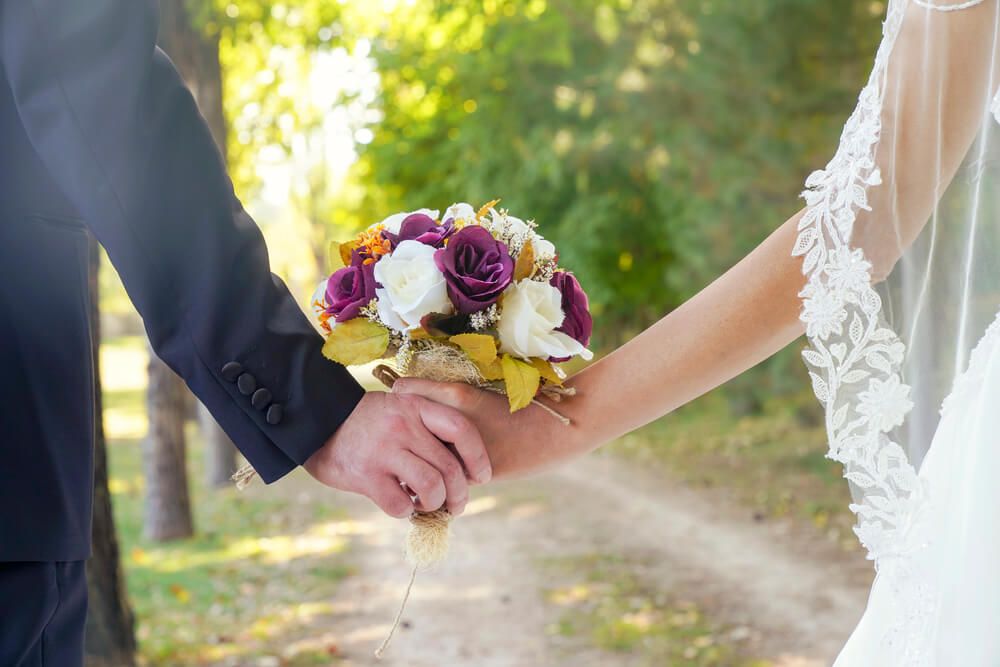
Frequently Asked Questions About Lavender Marriage
Does a Lavender Marriage Have To Be Sexless?
No. Lavender marriages aren't defined by whether spouses have sexual relationships. Some involved intimacy between spouses, while others did not. Historically, the defining feature was the concealment of sexual orientation.
Is a Lavender Marriage the Same as Having a "Beard"?
Not exactly. A "beard" generally refers to someone whose apparent romantic relationship helps conceal another person's sexual orientation. A beard doesn't have to be a spouse, whereas a lavender marriage specifically involves marriage.
Is a Lavender Marriage the Same as a Sham Marriage?
Not necessarily. A lavender marriage may involve genuine companionship, shared responsibilities, and legally recognized commitments. Its unconventional motivations don't automatically make it fraudulent.