Key Takeaways
- Decide which parts of the wedding matter most before allocating your budget.
- Look at the total value of a venue or vendor rather than choosing based on price alone.
- Guest count, date, venue, food, and decorations are some of the biggest opportunities to control costs.
- You do not need to follow every traditional wedding custom.
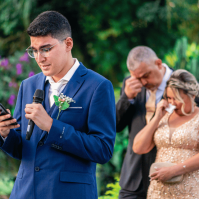
- Having a trusted friend or family member officiate can make the ceremony more personal and may also reduce costs.
- A meaningful ceremony does not require an elaborate budget. Personal vows, readings, stories, and traditions can make a simple ceremony memorable.
A Meaningful Wedding Does Not Have to Cost a Fortune
A beautiful wedding does not have to be an expensive one.
When wedding planning begins, it is easy to feel as though every detail needs an upgrade: a larger venue, more flowers, premium invitations, elaborate favors… A long list of extras can quickly turn a celebration into a major financial commitment.
Planning a wedding on a budget is about deciding what matters most to you, spending intentionally on those priorities, and simplifying the things that matter less.
The result can be a wedding that feels personal, thoughtful, and memorable without starting married life under unnecessary financial pressure.
Here are some practical ways to make that happen.
1. Decide What Matters Most Before You Spend
Before comparing venues, photographers, or florists, sit down together and identify the parts of the wedding that matter most to you.
For one couple, that might be having all their family and friends in the same room. For another, it might be great food, beautiful photographs, live music, or an intimate ceremony in a meaningful location.
Try choosing three or four priorities.
Those are the areas where you may want to spend more of your budget. Everything else becomes easier to evaluate.
If elaborate flowers are not important to either of you, there is little reason to spend heavily on them simply because they appear on a traditional wedding checklist.
2. Set a Realistic Budget and Leave Yourself Some Breathing Room
Determine how much you can comfortably spend before making major purchases.
Then divide that amount among the major categories of the wedding, which may include:
- Venue
- Food and drinks
- Photography
- Wedding attire
- Flowers and decorations
- Music or entertainment
- Invitations
- Ceremony expenses
- Cake or desserts
Try not to allocate every dollar immediately. Weddings often come with smaller expenses that are easy to overlook at the beginning.
Alterations, gratuities, transportation, marriage license fees, accessories, postage, rentals, and last-minute purchases can all affect the final cost.
Building some flexibility into the budget can make those surprises much easier to handle.
3. Think About Value, Not Just Price
The least expensive option is not always the best value.
A venue with a low rental price might require you to separately rent tables, chairs, linens, lighting, or sound equipment. A slightly more expensive venue that includes those items could ultimately cost less.
The same principle applies to vendors.
Before comparing prices, ask what is actually included. Look at the complete cost rather than the number at the top of the quote.
Sometimes spending a little more in one area can save money, time, or stress somewhere else.
4. Keep the Guest List Intentional
Guest count affects far more than the catering bill.
More guests can mean a larger venue, additional tables and chairs, more invitations, more drinks, more desserts, and more decorations.
Reducing the guest list can therefore be one of the most effective ways to lower the overall cost of a wedding.
Start with the people you cannot imagine celebrating without. Then expand the list according to your available space and budget.
A more intentional guest list can also create a wedding where you actually have time to connect with the people who came to celebrate with you.
5. Consider Having Someone You Love Officiate
One expense couples may not think about until later in the planning process is the wedding officiant fee.
Professional officiants can bring valuable experience to a ceremony, and hiring one may be the right choice for many couples. But it is not the only option.
You may be able to ask a trusted friend, sibling, parent, or other loved one to perform the ceremony instead.
If you are considering this option, start by thinking about who would be comfortable speaking in front of guests, understand your relationship, and take the responsibility seriously.
If that person has never performed a ceremony before, they do not have to figure everything out alone. From preparing the ceremony to completing the marriage license, there are several steps a first-time officiant can prepare for ahead of the wedding.
If your chosen officiant is not already a minister, they can get ordained online for free through the Universal Life Church.
Before making plans, couples and prospective officiants should also check the marriage laws and officiant requirements where the wedding will take place. Rules can vary by state and local jurisdiction.
6. Be Flexible About the Date
Wedding prices can vary depending on the season, day of the week, and demand.
Saturday evenings during popular wedding months are often highly sought after. If your schedule allows, consider a Friday, Sunday, weekday, or less popular time of year.
You might also look at morning or afternoon celebrations rather than evening receptions.
Flexibility can give you more venue and vendor options without requiring you to compromise on the things you care about most.
7. Choose a Setting That Already Looks Beautiful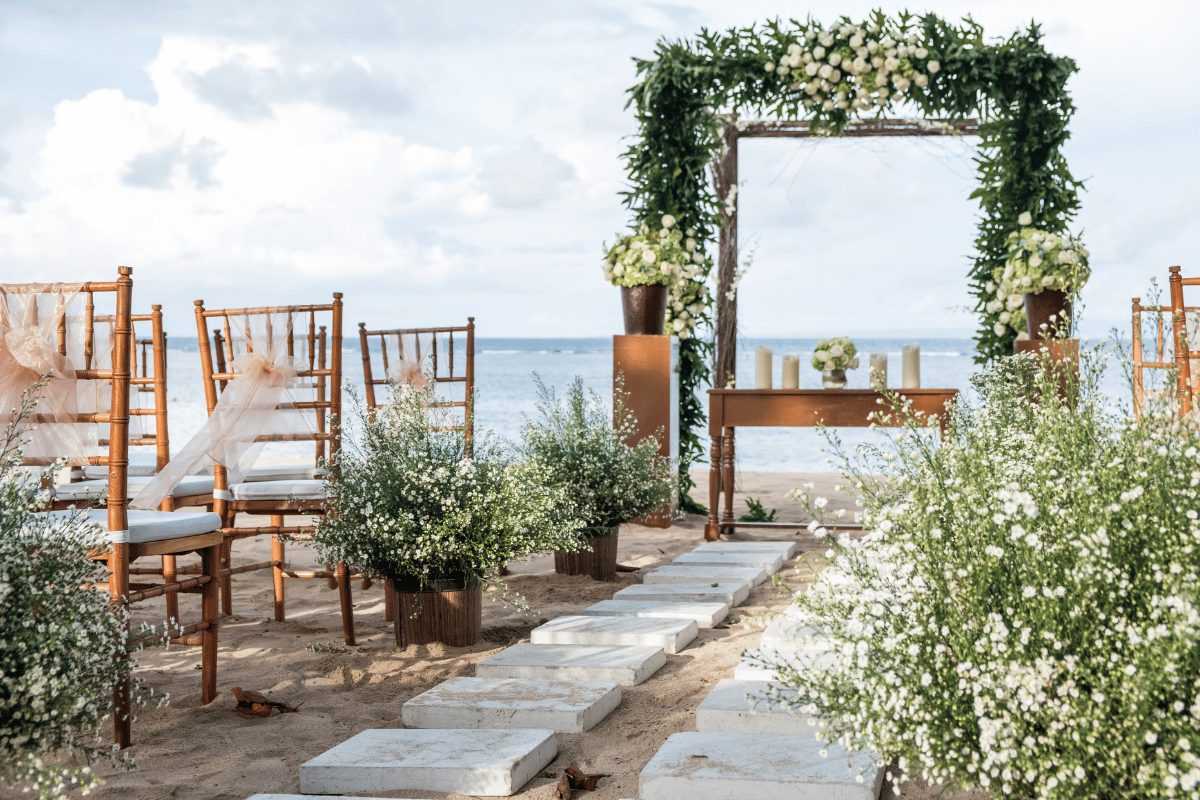
The more work a venue does visually, the less you may need to spend decorating it.
Gardens, parks, beaches, historic buildings, restaurants, community spaces, and even family backyards can provide atmosphere without requiring elaborate additions.
Look for spaces that already have appealing scenery, architecture, lighting, or landscaping.
When touring venues, try to imagine the space without the elaborate decorations you see in styled wedding photos. Ask yourself how much you would actually need to add.
8. Put Decorations Where They Will Have the Most Impact
You do not need flowers or decorations covering every corner of the venue.
Instead, choose a few areas where they will be especially noticeable, such as:
- The ceremony backdrop
- The entrance
- The couple's table
- Guest table centerpieces
- The bouquet
Seasonal flowers and greenery may provide more affordable options, but flowers are not the only way to decorate.
Candles, photographs, books, fabric, lanterns, family heirlooms, or objects connected to the couple's story can add personality to the space.
A few thoughtful details often make a stronger impression than decorations purchased simply to fill space.
9. Rethink What a Wedding Meal Has to Look Like
A formal plated dinner is only one way to feed wedding guests.
Depending on the style and time of your celebration, you might choose:
- A buffet
- Brunch
- Barbecue
- Family style dining
- Food stations
- Heavy appetizers
- Afternoon tea
- A dessert reception
A morning or afternoon wedding may also create opportunities for a less expensive menu than a traditional evening reception.
Choose food that fits the celebration you actually want rather than feeling obligated to recreate a standard wedding menu.
10. Consider Digital Invitations and a Wedding Website
Printed invitations can be meaningful keepsakes, but printing, envelopes, inserts, and postage can add up.
Digital invitations can be a practical alternative, particularly for informal weddings or couples trying to reduce both costs and paper use.
You can also use a combination of the two. Send printed invitations to guests who would appreciate them and digital invitations to others.
A wedding website can further reduce the need for additional stationery by providing information about the schedule, accommodations, directions, registry, dress code, and other details in one place.
11. Look Beyond Traditional Wedding Attire
You do not have to buy clothing from a wedding boutique to look wonderful on your wedding day.
Depending on your preferences, consider:
- Sample sales
- Secondhand wedding attire
- Rentals
- Department stores
- Online retailers
- Vintage clothing
- Outfits that are not specifically marketed as wedding attire
The same idea applies to wedding party clothing. Coordinated colors or a general dress code can sometimes work just as well as requiring everyone to purchase matching outfits.
Choose something that fits your style and makes you feel comfortable. The price tag will not appear in your wedding photographs.
12. Start With a Ceremony Script Instead of Writing From Scratch
The ceremony is one of the most meaningful parts of the wedding, but making it personal does not require spending more money.
If a friend or family member is officiating, a wedding ceremony script can provide a helpful structure.
From there, the couple and officiant can personalize the ceremony with stories, readings, vows, rituals, or traditions that reflect their relationship.
A religious ceremony may include prayers or popular wedding scriptures. An interfaith ceremony might bring together traditions from both families. A nonreligious ceremony can focus on love, commitment, community, and the couple's shared values.
Using a script as a starting point can make the process much less intimidating while still leaving plenty of room for creativity.
13. Skip Traditions That Do Not Mean Anything to You
Weddings come with many traditions, but very few are mandatory.
You do not necessarily need:
- Wedding favors
- Printed ceremony programs
- Matching wedding party outfits
- Elaborate centerpieces
- A large tiered cake
- A limousine
- Multiple outfit changes
- A bouquet toss
- Expensive wedding party gifts
Whenever another expense appears, ask yourselves:
Would we still want this if nobody expected us to have it?
If the answer is no, you may have found an easy place to save.
Where Should You Save and Where Should You Splurge?
There is no universal answer.
One couple may consider photography their biggest priority because they want images they can keep for decades. Another may care more about great food or live music. Someone else may prefer to spend very little on the reception and put more toward bringing distant family members together.
Think about what you are most likely to remember after the wedding is over.
Spend where an expense genuinely improves the experience.
Save where you find yourself purchasing something primarily because weddings are "supposed" to include it.
That approach can be much more useful than following a generic list of things couples should always save or splurge on.
A Beautiful Wedding Is About More Than What You Spend
Years from now, your guests probably will not remember exactly what your centerpieces cost or whether your invitations were printed on premium paper.
They are more likely to remember the people, the vows, the laughter, the music, and how the celebration felt.
Planning a wedding on a budget means deciding what deserves your time and money and letting go of the rest.
Sometimes the most meaningful choices are inexpensive ones: writing your own vows, celebrating somewhere special to you, incorporating family traditions, or asking someone you love to officiate.
If you would like a friend or family member to perform your ceremony, they can get ordained online for free through the Universal Life Church. From there, ULC's wedding resources can help them understand the state wedding laws, prepare the ceremony, and confidently officiate the big day.
Frequently Asked Questions About Planning a Wedding on a Budget
What is the best way to start planning a wedding on a budget?
Start by determining how much you can comfortably spend and identifying the three or four parts of the wedding that matter most to you. Allocate more of your budget to those priorities and look for ways to simplify lower-priority expenses.
What are the easiest wedding expenses to cut?
This varies by couple, but common opportunities include reducing the guest list, choosing a less popular wedding date, simplifying decorations, using digital invitations, selecting a less traditional meal, and skipping wedding customs that are not meaningful to you.
Can a friend officiate my wedding to help save money?
In many places, couples can ask a friend or family member to become ordained and officiate their wedding. However, marriage laws and officiant requirements vary by location, so both the couple and the officiant should review the rules where the ceremony will take place.
How much does a wedding officiant cost?
The cost of a professional wedding officiant can vary considerably depending on location, ceremony complexity, customization, travel, rehearsal participation, and other services provided.
Does a friend need to be ordained to officiate a wedding?
That depends on the laws where the marriage takes place. In many jurisdictions, ministers are authorized to solemnize marriages, and a friend or family member may become ordained through the Universal Life Church before performing the ceremony. Couples should always check applicable state and local requirements.
How can we make an inexpensive wedding ceremony feel more personal?
Personalization does not have to cost anything. Couples can write their own vows, include meaningful readings, share stories from their relationship, incorporate cultural or family traditions, or ask someone they know personally to officiate.
A ceremony script can also provide a structure that the couple and officiant can customize together.