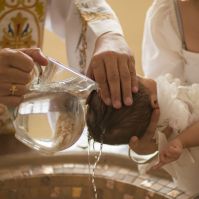
The answer depends on the ceremony, its setting, and whether you'll enter the water. For sprinkling or pouring, neat, comfortable clothing is usually appropriate. For immersion, safety and practicality become just as important as appearance.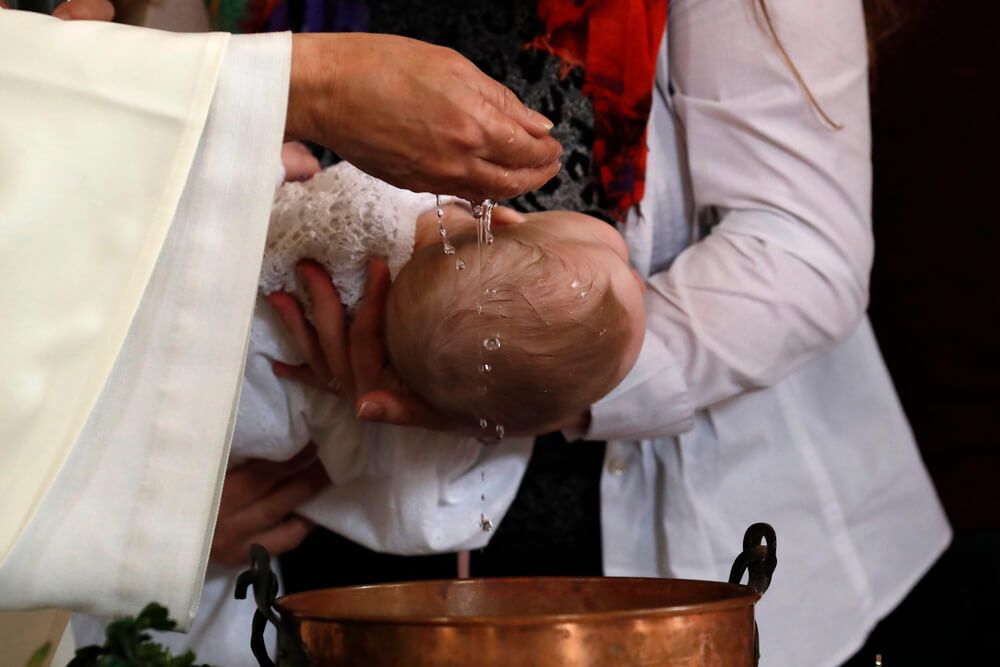
Key Takeaways
- Baptism officiants should choose clothing that respects the ceremony's traditions while allowing comfortable movement.
- For immersion baptisms, wear secure, opaque clothing that won't become excessively heavy or restrictive when wet.
- Robes and stoles may be appropriate for formal services, but they aren't universally required.
- Confirm dress expectations with the family or congregation and prepare a change of clothes if you'll enter the water.
What Should You Wear When Officiating a Baptism?
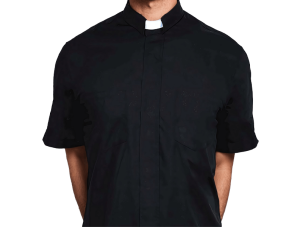
For a baptism where you'll remain dry, choose clean, comfortable clothing that matches the formality of the occasion. A collared shirt and dress pants may suit one setting, while a modest dress, suit, or clergy attire may be more appropriate for another.
Consider how you'll move during the ceremony, particularly if you'll be leaning over a baptismal font or helping support an infant. Avoid loose accessories or dangling jewelry that could get in the way.
For a formal appearance without a heavy robe, the ULC Short Sleeve Minister Shirt is a practical option, especially in warmer weather. At a casual home baptism, simple dress clothes may be equally suitable.
Ultimately, the family's preferences and the congregation's traditions should guide your choice.
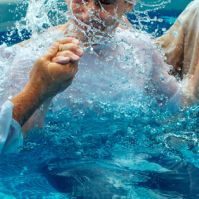
What Should You Wear for an Immersion Baptism?
If you'll enter the water, prioritize clothing that provides coverage, stays secure, and allows you to move safely. Ordinary dress clothes may become heavy, cling to the body, or turn transparent when wet.
Here are a few practical considerations:
- Fabric: Choose opaque, comfortable clothing that won't restrict movement when soaked. Test the fabric beforehand to check for transparency or cling.
- Fit: Avoid loose robes, long accessories, or garments that could float, shift, or interfere with assisting the person being baptized.
- Footwear: If the venue permits shoes in the water, choose secure footwear with good traction. Avoid slippery dress shoes.
- Dry clothing: Bring a towel, a complete change of clothes, and a bag for wet garments.
If the baptism takes place in a river or lake, ask the organizer to check the water depth, footing, and safe entry and exit points. Make sure assistance is available when needed.
When Should You Wear a Robe or Stole?
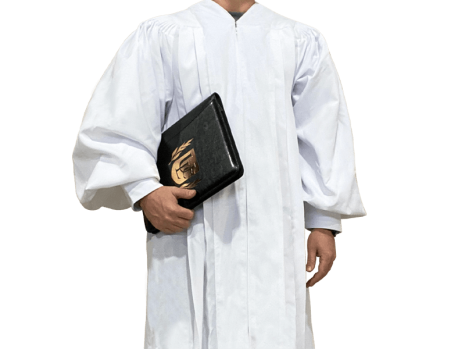
Robes and stoles are traditional forms of clergy attire that can help identify the person leading a religious ceremony. However, their use varies by denomination and congregation.
For a formal baptism where you'll remain dry, the ULC Premium Pulpit Robe offers a traditional ministerial appearance. Available in black or white, it's suited to formal services rather than entering the water.
A stole can also add a ceremonial touch. The ULC Ceremonial Minister Stole comes in several colors, including white and ivory, which are associated with purity and new beginnings in many Christian traditions.
Neither item is universally required for officiating a baptism. Some congregations have specific expectations about clergy garments and colors, while others prefer simple formal clothing.
If you'll perform an immersion baptism, consider wearing ceremonial attire for the opening portion of the service and changing into suitable clothing before entering the water.
What Should You Confirm Before the Baptism?
Before choosing your outfit, speak with the family, congregation, or ceremony organizer to clarify a few details:
- Baptism method: Will the ceremony involve sprinkling, pouring, or full immersion?
- Dress expectations: Are particular colors, robes, or other clergy garments required or preferred?
- Venue: Will the baptism take place indoors, outdoors, or in a natural body of water?
- Practical arrangements: Will towels, changing facilities, and assistance entering or leaving the water be available?
If you're leading a service within an established congregation, also confirm any requirements concerning who may officiate.
Beyond clothing, preparing the ceremony itself is essential. Our guide to performing a baptism covers common baptism methods and the basic steps involved.
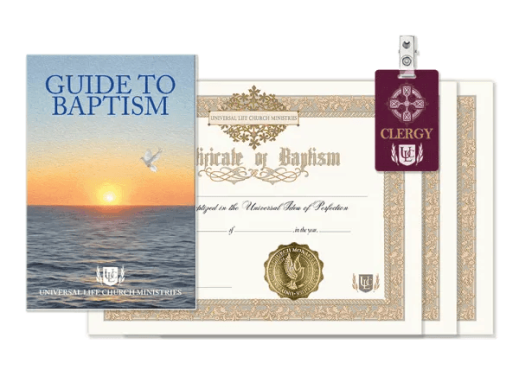
For ministers organizing their own services, the ULC Baptism Set includes a baptism guide, three certificates, and a clergy badge to help prepare for and commemorate the occasion.
What Should Guests Wear to a Baptism?
Guests should follow the family's invitation or congregation's dress guidance. Neat, modest clothing is often appropriate, although expectations vary.
A formal church baptism may call for dressier attire, while an outdoor ceremony may require comfortable shoes and weather-appropriate layers. Guests generally don't need to dress like the officiant.
Prepare to Officiate a Baptism With ULC
Whether you're leading a baptism for a loved one or serving your community, the Universal Life Church can help you prepare. You can get ordained online for free and access resources to guide you through the ceremony.
For the occasion, visit the ULC Minister Store to explore minister shirts, ceremonial robes, stoles, and baptism supplies. Choose the items that best suit your ceremony and the family's or congregation's traditions.
Frequently Asked Questions About Baptism Officiant Attire
Does a Baptism Officiant Need to Wear White?
No. While white symbolizes purity and new beginnings in many Christian traditions, not every congregation requires officiants to wear it. Some reserve white garments for the person being baptized, while others allow ministers to wear customary clergy attire or formal clothing.
Does a Minister Need a Robe to Perform a Baptism?
No. A robe isn't universally required. Some denominations have specific clothing standards, while independent ministers may have more flexibility. Check with the family or congregation before deciding.
Can You Wear a Clergy Stole During an Immersion Baptism?
It's generally more practical to remove a stole before entering the water. Long fabric and decorative tassels may shift or interfere with movement. If ceremonial garments are required, ask whether the congregation provides attire specifically designed for immersion.