Key Points:
- Baptism is a symbolic ritual of renewal, identity, and community across many Christian and interfaith traditions.
- A brief history of baptism shows its roots in ancient purification practices and its development through early Christian communities.
- Most baptism ceremonies include water, blessings, and support from loved ones, though the method varies widely.
- People may change after baptism through renewed focus, a sense of belonging, or gradual personal growth.
- Baptism remains a flexible, meaningful ritual that individuals can shape according to their own beliefs and traditions.
Baptism is one of the most recognized and enduring rituals in the world. While its roots stretch deep into history, people today still ask the same foundational question: What is baptism, really? The answer depends on faith tradition, culture, and personal belief, but most interpretations share themes of renewal, commitment, and spiritual transformation. For many Christians, baptism is a step that marks the start of a new life. In other traditions, it represents cleansing, blessing, or community belonging.
The meaning of baptism has continued to evolve, especially in an age where individuals often seek spiritual identity outside formal institutions. The Universal Life Church welcomes a wide range of perspectives, inviting people to explore baptism as a personal and meaningful milestone.
Baptism has several layers of purpose: a symbolic washing, a public declaration, and, for some, a moment of profound spiritual encounter. Understanding where the ritual comes from and how it is practiced today helps people decide what baptism might mean in their own journey.
What Is the True Meaning of Baptism?
While baptism holds different meanings across Christian denominations, several core ideas appear consistently.
A Symbol of Cleansing and Renewal
Water has long been associated with purification. In many traditions, baptism symbolizes washing away past mistakes, beginning anew, or seeking a clean spiritual start. This idea predates Christianity; ancient cultures used water rituals to represent purification, blessing, and initiation.
A Public Declaration of Belief or Commitment
In Christian practice, baptism often marks a person’s decision to follow the teachings of Jesus. But in a broader spiritual context, it can also represent a person’s commitment to personal growth, connection, or moral values. The ritual becomes a moment of standing before a community and affirming a new direction.
Entry Into a Spiritual or Religious Community
Many churches consider baptism the doorway into membership. Even outside structured religion, some people see baptism as a way to connect with a supportive circle of family and friends during a meaningful life moment.
A Ritual of Identity
Across traditions, baptism is often viewed as a marker of identity—who someone chooses to be, and how they hope to grow. For some, it is deeply tied to salvation; for others, it is a symbolic gesture. The ULC encourages each person to define this ritual in a way that aligns with their personal beliefs.
A Brief History of Baptism
Baptism did not begin with Christianity. Long before the early church formed, many cultures used water rituals to symbolize cleansing, renewal, and preparation for sacred activities. In ancient Jewish practice, for example, ritual washings (known as mikvah) were performed for purification and spiritual readiness. These traditions shaped the environment in which baptism later emerged.
John the Baptist is often credited with popularizing baptism as a public ritual during the first century. His message centered on repentance and renewal, and people gathered at the Jordan River to participate in symbolic washing. When early Christians adopted baptism, they expanded its meaning to represent joining the community of believers and following the teachings of Jesus.
Over time, Christian traditions developed their own interpretations. Some saw baptism as necessary for salvation, while others emphasized its symbolic role. Practices also changed. Some communities preferred full immersion in rivers or pools, while others used pouring or sprinkling as their primary method.
Across centuries, baptism has remained a flexible and meaningful ritual. No matter the setting where it’s performed, why Christians get baptized has stayed remarkably consistent: Marking a moment of transition, identity, and spiritual intention.
What Is Baptism of the Holy Spirit?
Alongside water baptism, many Christian communities speak about the baptism of the Holy Spirit. This concept describes a spiritual experience rather than a physical ritual.
A Spiritual Infilling
For some believers, this baptism is a moment of deep connection with the divine, marked by heightened awareness, emotional release, or a sense of peace. In some traditions, people associate it with spiritual gifts, such as wisdom, insight, compassion, or the ability to support others.
A Separate Experience From Water Baptism
Some churches teach that water baptism and Spirit baptism are distinct. Water baptism symbolizes commitment, while spiritual baptism reflects an inner transformation. Others treat them as parts of the same journey.
A Personal Interpretation
Outside traditional Christianity, some people use “spirit baptism” metaphorically to describe an awakening, healing moment, or profound shift in perspective. The ULC’s inclusive approach allows people to explore this experience through the lens of their own spiritual path.
What Happens When You Get Baptized?
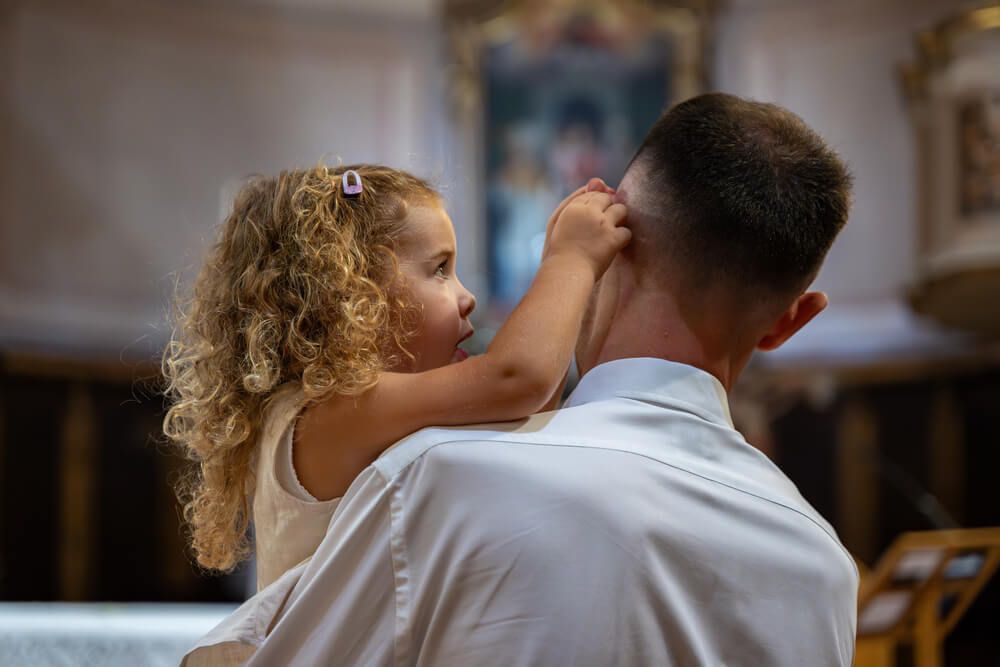
What happens when you get baptized varies based on tradition, but most ceremonies, whether formal or informal, follow similar elements. The method of how to baptize someone also may differ depending on the approach.
1. A Ritual Involving Water
The ritual of baptism using water may occur in a few different ways:
- Immersion, where the person is fully submerged
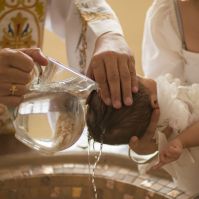
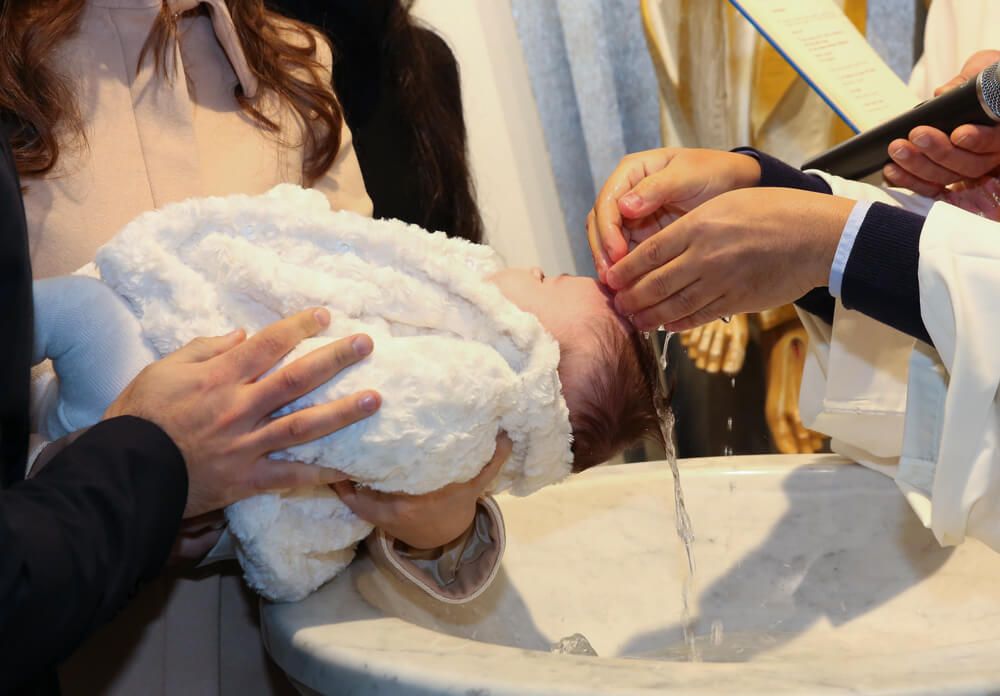
- Pouring, where water is gently poured over the head
- Sprinkling, a lighter symbolic approach
- Natural settings, such as lakes or oceans, chosen for their spiritual significance
The method often reflects the tradition performing the ceremony or the personal preference of the person being baptized.
2. Spoken Words or Blessings
Ministers or officiants usually speak affirmations, prayers, or statements of commitment. In a non-denominational ceremony, these words may focus on hope, growth, or personal transformation rather than specific doctrines.
3. Support From a Community or Loved Ones
Many baptisms take place in front of family and friends. Their presence symbolizes encouragement and shared celebration.
4. A Sense of Renewal
People often describe the experience as peaceful, uplifting, or clarifying. While the physical moment is brief, many feel a long-lasting impact on their mindset or motivation.
In some traditions, the person who was baptized may receive a baptism certificate and even celebratory gifts from friends and family.
Can Christians Get Re-Baptized?
Views on re-baptism in Christianity vary widely. Many churches allow or encourage people to be baptized again if:
- They were baptized as infants and want to make a personal choice later
- They feel they have experienced a significant spiritual turning point
- They join a new denomination with different beliefs about baptism
In non-denominational or interfaith settings, re-baptism may be a symbolic renewal rather than a doctrinal act.
When Re-Baptism Is Discouraged
Some Christian traditions, especially those that treat baptism as a once-in-a-lifetime sacrament, teach that it should never be repeated. For them, the initial baptism remains valid throughout a person’s life, regardless of circumstances.
Do People Change After Getting Baptized?
The effects of baptism vary widely, but many people do experience change, sometimes inwardly and sometimes in how they choose to live.
Emotional or Spiritual Renewal
People often describe feeling lighter, more hopeful, or more focused on their values after baptism.
A Sense of Belonging
Being welcomed by a community can foster confidence and support, especially during major life transitions.
A Commitment to a New Direction
Baptism can mark a turning point. Even individuals who view it symbolically often treat it as a milestone that influences future decisions.
Gradual Transformation
Change often happens over time rather than in a single moment. The ceremony may plant the seed, while personal discipline, reflection, and community continue the growth.
When Change Is Subtle
Not everyone feels something dramatic. Some see baptism as a meaningful step without expecting a powerful emotional shift. This diversity is normal and valid—spiritual experience is deeply personal.
What Baptism Is in Other Contexts
The word “baptism” appears in everyday language beyond religion. Phrases like “baptism by fire” or “baptism into adulthood” describe intense beginnings or challenging first experiences. These expressions highlight the broader symbolic idea that baptism marks a meaningful transition, whether spiritual or metaphorical.
Do You Have to Be Christian to Get Baptized? {.text-text-100.mt-3.-mb-1.text-[1.125rem].font-bold}
Baptism is primarily a Christian tradition, but its practice has expanded beyond denominational boundaries. While the ritual originated within Christian communities and remains central to many Christian faiths, an increasing number of people from diverse spiritual backgrounds have adapted or adopted baptism ceremonies to fit their own beliefs.
Baptism Beyond Christianity
Some individuals with interfaith backgrounds or those exploring spirituality outside organized religion find meaning in water rituals that mirror baptism. These ceremonies may draw inspiration from Christian practices while incorporating elements from other traditions or personal philosophies. The symbolism of water as a purifying and renewing force resonates across cultures, making it accessible to people regardless of their religious affiliation.
Adapting the Ritual
Non-Christians who choose baptism-style ceremonies often modify the ritual to align with their values. Instead of focusing on Christian theology or salvation, they may emphasize:
- Personal transformation and new beginnings
- Connection to nature or universal spiritual principles
- Commitment to ethical living or community values
- Honoring family traditions while creating new meaning
ULC's Inclusive Approach
The Universal Life Church recognizes that spiritual practices can be deeply personal and need not be confined to a single tradition. ULC-ordained ministers perform baptism ceremonies for people of various beliefs, creating space for individuals to define what the ritual means to them. Whether someone seeks a traditional Christian baptism or a more personalized water ceremony, the focus remains on authenticity and meaningful expression.
While baptism's roots are Christian, its themes of renewal, identity, and commitment speak to universal human experiences. This openness allows the practice to evolve while maintaining its core symbolic power.
Common FAQs About Baptism
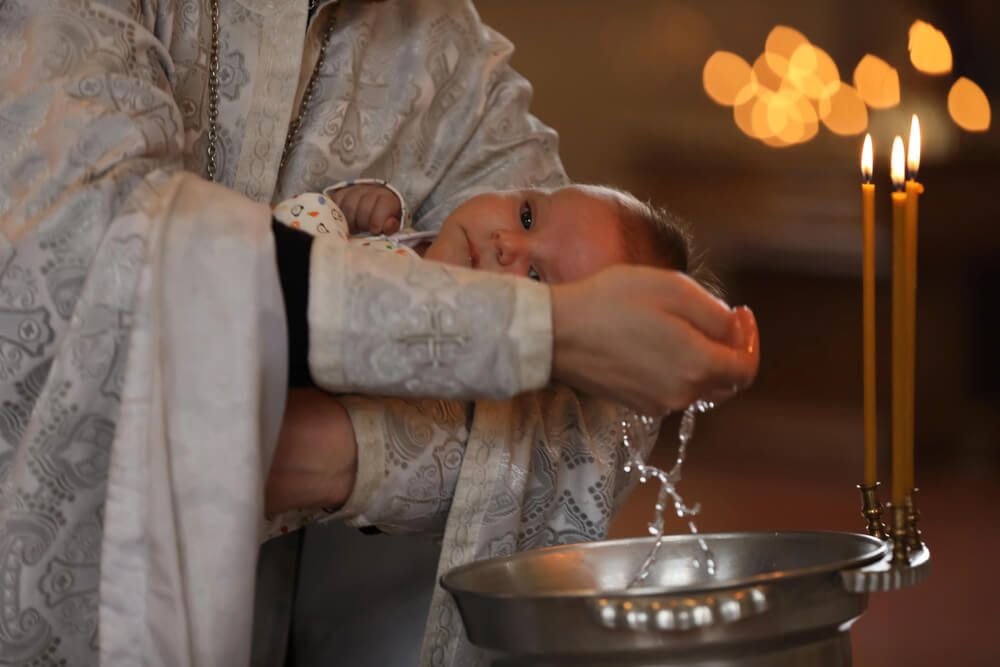
There are many questions surrounding the practice of baptism and what to expect, whether as the person being baptized or as the person performing the baptism.
Is baptism required to be a Christian?
Different denominations answer this differently. Some treat baptism as essential; others see it as symbolic but not mandatory.
Can someone be baptized outside of a church?
Yes. Many people choose outdoor locations, homes, or private ceremonies led by ministers, including ULC-ordained ministers.
Do you need to be a certain age to be baptized?
Requirements vary. Some traditions baptize infants, while others prefer adults who can make their own decision.
Can a ULC minister perform a baptism?
Yes, Universal Life Church ministers often perform baptisms. These ceremonies can be tailored to reflect the beliefs and wishes of the individual or family.
Is baptism the same as salvation?
Some faiths link baptism to salvation; others view it as a symbolic step. Interpretations depend on personal and denominational beliefs.
Finding Meaning in Baptism Today
Baptism carries many layers of meaning, and its purpose can be deeply personal. Whether someone approaches it through Christian tradition, interfaith exploration, or symbolic spirituality, the central themes of renewal, commitment, connection, and identity remain the same.
Understanding what baptism is helps individuals choose how this ritual fits into their own journey, and the Universal Life Church supports people in shaping that journey with authenticity and intention. If this is a path you feel called toward, become an ordained minister today and learn how to perform a baptism ceremony.