Not all witches practice the same kind of magic. Some work with nature, while others focus on folk traditions or structured rituals. Explore 10 common types of witches, what makes their practices different, and how these traditions can overlap.
Key Takeaways
- There is no official number of witch types. Many labels describe a person's interests or approach to witchcraft.
- Green, kitchen, hedge and ceremonial witches may practice in different ways, and those paths can overlap.
- Wicca is a religion for many followers; witchcraft is a practice that people may follow within or outside a religion.
How Many Types of Witches Are There?
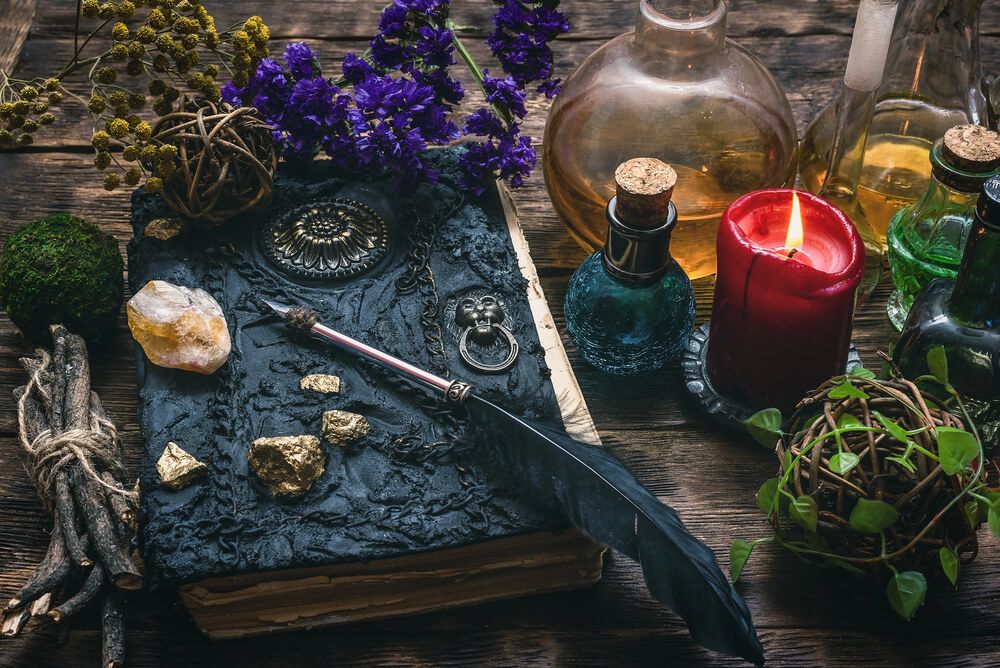
There is no official number of witch types. Lists online vary because the names describe different things. Some refer to a person's interests, while others describe how they practice or the spiritual tradition they follow. The ten below are common examples, not a complete list.
10 Types of Witches and Their Traditions
Each path has its own focus. The examples below show what draws people to them and where their practices sometimes meet.
1. Green Witch
A garden can be more than a place to grow food for a green witch. Plants and their traditional meanings often play a central role in this nature-focused practice. Some green witches grow herbs for rituals, while others connect with nature through everyday time outdoors. Their practice might include learning when local plants grow or making time for reflection on a quiet walk.
2. Kitchen Witch
A kitchen witch brings spiritual intention into everyday life at home. Preparing a meal might become a moment for gratitude, while a familiar recipe takes on personal meaning. Both kitchen and green witches may use herbs, but a kitchen witch often works with them in cooking, while a green witch may focus more on growing and tending plants.
3. Hedge Witch
The term hedge witch has roots in ideas about crossing boundaries. Some modern practitioners use it for solitary folk magic or work with herbs. Others emphasize meditation and spiritual journeys. Because people use the name differently, it helps to ask what a particular hedge witch means by it. One person may focus on folk traditions, while another uses dreamwork or guided meditation.
4. Eclectic Witch
An eclectic witch draws from more than one source rather than following a single established system. That may mean learning several methods and keeping the practices that feel meaningful. Exploring different methods can be rewarding, but it doesn't mean every practice is open for anyone to adopt. Some traditions have cultural or religious boundaries that deserve respect.
5. Ceremonial Witch
For a ceremonial witch, preparation may be as important as the ritual itself. Practitioners often study established systems and follow planned steps, much as they might when learning how to cast a spell within a particular tradition. Unlike some hedge witches, who focus on personal spiritual journeys or folk practices, ceremonial witches generally place more emphasis on a ritual's structure.
6. Sea Witch
Sea witches draw inspiration from the ocean and coastal environment. Tides, shells and the rhythm of the water may shape their personal rituals. Someone can identify with this path without living near the sea.
7. Cosmic Witch
A cosmic witch looks to celestial cycles for inspiration. Moon phases, planetary movements or astrology may influence when they practice. This is a spiritual interpretation of the sky, not a claim that astrology is established science.
8. Traditional Witch
Traditional witchcraft often draws on local folklore and older forms of folk magic. The customs vary by region and family, so there is no single set of beliefs. Some practitioners also work with witchcraft symbols whose meanings have changed across different traditions. Even so, not every old folk custom was originally considered witchcraft.
9. Solitary Witch
A solitary witch generally practices alone instead of belonging to a coven. This describes how someone practices, not necessarily what they believe. A solitary witch might also be a green or ceremonial witch. Some enjoy setting their own routines, while others practice alone because there isn't a local group nearby.
10. Wiccan Witch
A Wiccan witch practices within Wicca, a modern Pagan religion. Rituals often reflect a connection with nature or the changing seasons. That personal approach to ceremony may also shape witchcraft wedding ceremonies for couples who want to honor their beliefs.
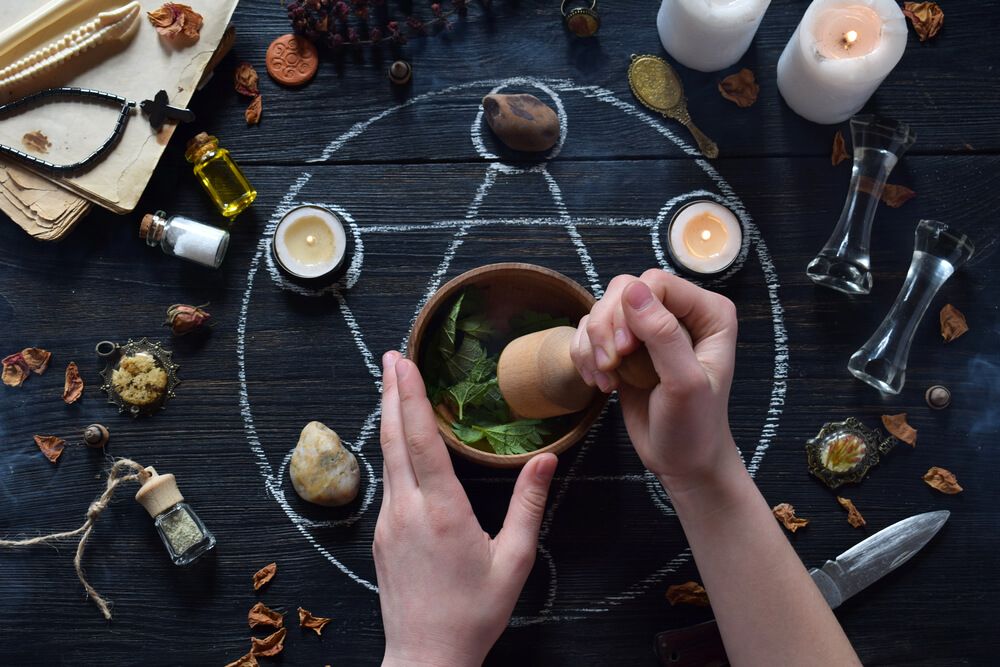
Not all witches are Wiccan, though, and not every Wiccan identifies as a witch. Understanding Wiccan beliefs helps make that distinction clear.
Can You Be More Than One Type of Witch?
Absolutely. Someone might grow herbs as a green witch, practice alone, and follow moon phases. These labels can overlap. They describe interests rather than competing identities, and they may change as someone's practice develops. Someone drawn to kitchen witchcraft, for example, might later explore ceremonial rituals without giving up familiar home practices.
How Is Witchcraft Different From Wicca?
Witchcraft covers a wide range of practices, while Wicca is a specific modern Pagan religion. Some Wiccans practice witchcraft as part of their faith, but many witches follow other spiritual paths or no organized religion at all. Wicca is a religion; witchcraft isn't tied to any single faith.
Explore Your Own Spiritual Path
Witchcraft takes many forms, from nature-based practices to structured rituals. You don't have to follow one tradition or choose a label to explore what feels meaningful to you.
The Universal Life Church welcomes people of all spiritual backgrounds. Whether you practice witchcraft, follow Wicca or embrace another belief system, you can get ordained online for free and take the first step toward officiating a wedding for a friend or family member.
Frequently Asked Questions About Types of Witches
What is the most common type of witch?
There is no reliable count of practitioners by type. Labels such as green or eclectic witch are widely discussed, but popularity online does not tell us how many people use them.
Do witches have to join a coven?
No. Some witches practice in groups, but others prefer to work alone. A coven is one possible community, not a requirement.
What are the different types of witchcraft?
Witchcraft can involve nature-based work, household rituals, folk traditions or formal ceremonies. These describe ways of practicing rather than fixed groups. A person may use several approaches, and some witches follow a religion while others do not.
How do you know what type of witch you are?
Start with what interests you. Do you enjoy working with plants, preparing meaningful meals or studying rituals? Explore those interests and see what feels right. You don't have to choose a label before you begin, and your interests can change.
Do you have to be born a witch?
No. People can choose to explore witchcraft regardless of their family background. Some learn customs from relatives, while others begin through books, communities, or personal study. Being born into a particular family is not a requirement.