A spell is a focused set of words and actions you do on purpose to aim for a result, such as protection, confidence, or healing. In this guide, you’ll learn a beginner-friendly way to cast a spell step by step, plus clear examples you can adapt to your own beliefs and comfort level.
Key Takeaways
- Spells usually work best when you choose one clear intention and turn it into a simple sentence you can say out loud.
- Most spellwork is really about structure: You prepare your space, do a meaningful ritual in a set order, and then close the spell.
- You should pair spells with real-life action and tracking, because monitoring progress is strongly linked with better goal follow-through.
Learning how to cast a spell is often about understanding the purpose behind spellcasting itself. Spellcasting is one kind of alternative ceremony and ritual people use to focus their mind, move through big emotions, and mark a change they want in their life. In this guide, you’ll learn a simple, step-by-step way to approach spellcasting so your words and actions carry real meaning.
What Is a Spell?
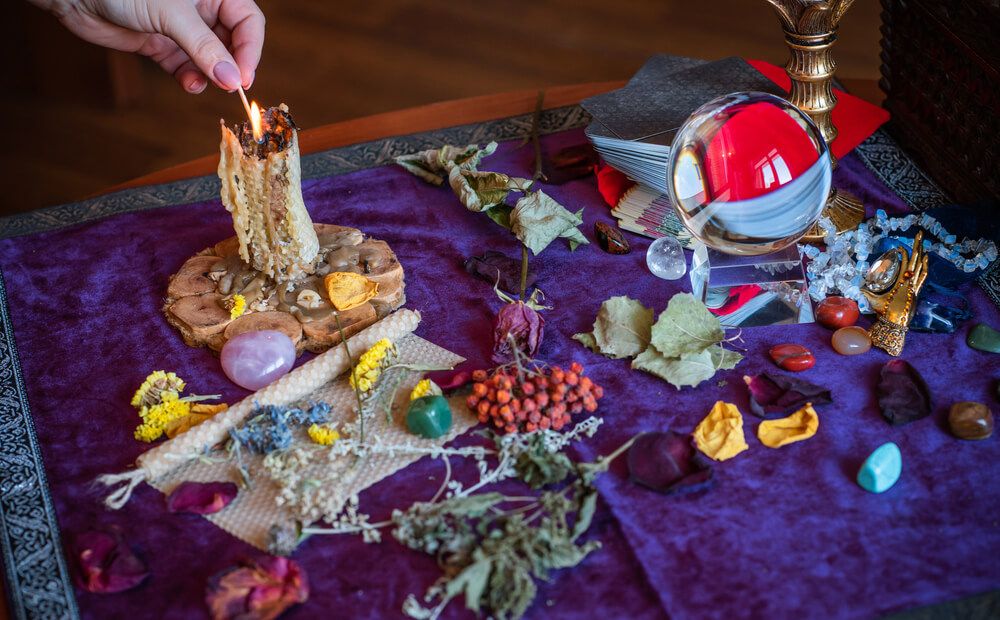
A spell is usually described as a set of words you say on purpose, in a certain order, with a clear intention behind them. You might also use simple actions, like lighting a candle, holding an object, or making a small gesture.
Spells show up in many cultures and spiritual paths, and not everyone means the same thing when they talk about spellcasting. Some people connect spells to modern Pagan paths like Wicca, where rituals may take place in a sacred circle and include tools such as incense, a chalice, or a wand.
You might also hear people casually call any kind of folk magic “voodoo” or “hoodoo.” But those terms refer to specific traditions with their own histories and practices. Not every spell comes from those paths.
How Do You Perform a Spell?
Here’s a simple framework you can use for many kinds of spellwork.
1. Clarify Your Intention
Before you perform a spell, get clear about what you want. Choose one simple goal. Think of it like setting a target. The clearer the target, the easier it is to focus your energy and attention on it. Rituals are built around a desired outcome, and your mind works better when that outcome is specific and realistic.
Here are some beginner-friendly intention examples (choose one):
- “My home feels peaceful and protected.”
- “I make time to apply for jobs with confidence.”
- “I communicate clearly and kindly this week.”
- “I feel calm and steady during my math test.”
If you’re unsure where to start, start with something focused on yourself, like having confidence or seeking protection.
2. Cleanse the Space
Once you know your spell’s intention, prepare your space. The goal is to signal to your brain that this moment is different from everyday life.
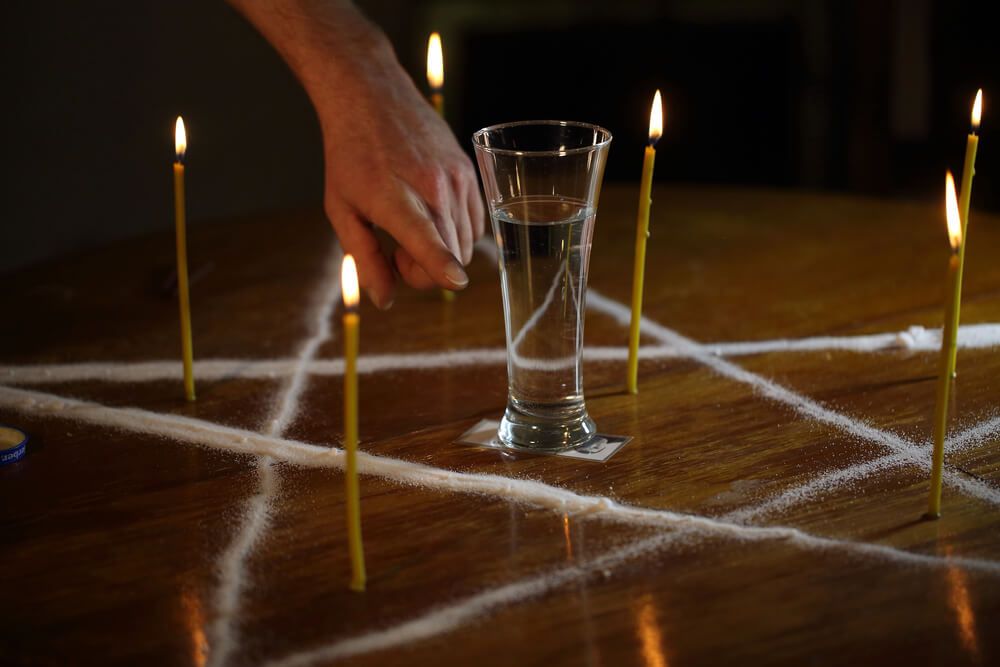
For a simple physical cleanse, choose one surface like a desk, table, or shelf. Clear away any trash or clutter so the space feels open. Wipe it down so it’s clean and fresh. Then place a glass of water nearby as a grounding tool.
For a symbolic cleanse, you can light incense or use a scent you enjoy, even something simple like a drop of essential oil on a tissue. Open a window if you can, and let in some fresh air. Then say quietly, “Only what supports my intention is welcome here.”
3. Declare Your Intention
Say your intention clearly. Speak your words with purpose. In many spell traditions, words are treated as part of the action itself. When you say your intention, keep it simple:
- Use the present tense, as if it’s already happening.
- Keep it self-focused.
- Make it clear and direct.
For example:
- “I am calm, focused, and ready.”
- “Peace lives in this home.”
- “I move through my day with protection and confidence.”
If saying it out loud feels awkward, that’s OK. You can whisper it, mouth the words silently, or write it down instead. What matters most is that you mean it.
4. Visualize the Outcome
One of the most important parts of performing a spell is picturing its result. Close your eyes if that feels comfortable and build a simple mental “movie” of what success looks like. Keep it realistic.
For example, if you performed a peaceful home spell, you might imagine walking into your house, feeling your shoulders relax, speaking gently, and sleeping more easily. Visualization is also used in relaxation practices. It helps your body respond as if the calm moment is real.
5. Raise Energy With Purpose
In spellwork, “raising energy” means building emotional focus and momentum so your intention feels strong instead of flat. Many traditions use sound, movement, breath, or repetition to do this.
Choose one method that fits your personality:
- Slow breathing with your hands over your heart or belly, repeating your intention on each exhale.
- A short chant repeated in rhythm for about a minute. For example: “Steady mind, steady breath, I do my best, I pass this test.”
- Moving your body to one song that matches your goal, then speaking your intention at the strongest moment.
You don’t need to do all of these. The goal is to feel a shift inside you, like your words now carry weight.
6. Close the Ritual
Rituals usually have a beginning, middle, and end. Closing makes it feel whole instead of unfinished. Ending on purpose helps your mind understand the work is complete.
Keep it simple:
- Say thank you, in whatever way fits your beliefs.
- Say clearly, “This is done.”
- Ground yourself by drinking water, eating something small, touching the floor, or washing your hands.
Some traditions include sharing food or drink at the end of a ritual as a way to return to ordinary life. Once you close, shift back into your day. The spell is complete.
How Do You Cast a Spell With Words?
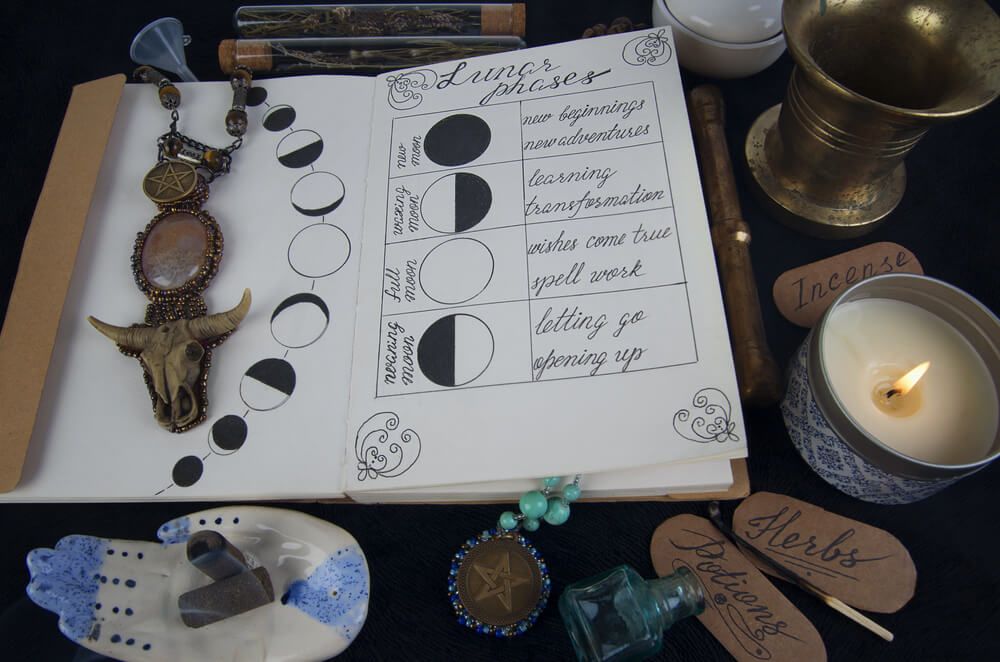
Words-only spellwork is real spellwork. In many traditions, spoken formulas, repeated phrases, and blessings are treated as a core part of magical practice. Below are several ways to perform spells with words.
Chants
Chants are a rhythmic form of spellwork that use repeated phrases to build energy and focus. Repetition matters when chanting because it can shift your emotional state and narrow your attention.
Here’s how to chant:
- Clap softly or tap your hand on the table.
- Repeat the chant for 1 minute.
- Speak your intention once at the end: “I am protected.”
Repeating words in rhythm has also been studied as a form of meditation that may reduce stress and anxiety.
Chant Example:
Here’s an example of chanting for protection:
“Safe within, safe around,**
* *Peace and strength are with me now.”
Written Petitions
A written petition is a focused type of spell where you clearly write out your desire. Writing it out forces you to be specific and thoughtful. These are often read aloud to activate the intention.
Here’s how to use a written petition:
- Write your request in clear, simple language.
- Keep it focused on one outcome.
- Read it out loud once with intention.
- Decide what to do with it (keep, fold, or safely burn).
Petition Example
Here’s an example of a written petition for attracting a steady job opportunity:
“I welcome a steady income that supports my needs and brings peace to my home. I take smart steps and recognize good opportunities when they appear.”
Declarations
Declarations are a bold type of word-based spellwork spoken with authority. These spells are less about repetition and more about commanding energy with certainty. You say it once or a few times with strong belief.
Here’s how to use a declaration:
- Stand or sit up straight.
- Speak clearly and slowly.
- Say it once with confidence.
- End with a closing phrase like, “This is done.”
Declaration Example
Here’s an example of a declaration for setting strong boundaries:
“In my space and in my life, respect is the rule. I welcome peace and remove chaos. This is done.”
Blessings

Blessings are a gentle form of spellwork that invite protection, peace, or positive outcomes. Instead of commanding energy, this type of spell focuses on goodwill and intention directed toward yourself or others.
Here’s how to offer a blessing:
- Place your hand over your heart or gently raise your hand.
- Speak slowly and calmly.
- Focus on care and goodwill.
Blessing Example
Here’s an example of a blessing for protection and peace in your home:
“May this home be safe.**
* *May everyone inside feel calm.**
* *May peace fill every room.”
Incantations
Incantations are a more traditional form of spellwork that use structured, poetic language to direct energy toward a specific goal. This type of spell often relies on rhythm, tone, and ceremony to make the intention feel powerful and focused.
Here’s how to use an incantation:
- Take one steady breath before you begin.
- Speak slowly and clearly.
- Let the rhythm guide you.
- Close with a phrase like, “So it is,” or “This is done.”
Incantation Example
Here’s an example of an incantation for confidence and clarity:
“Clear my thoughts and steady my hands,**
* *Confidence rises as I stand.**
* *With calm and focus, I move ahead,**
* *Strong in heart and clear in head.**
* *So it is.”
Why Do Some People Believe Spells Are Evil or Satanic?
A lot of fear around spells comes from religious and cultural conflict, plus pop culture. Some religious teachings directly reject magic, divination, or spellcasting. For example, a biblical passage in Deuteronomy lists practices like witchcraft and “casting spells” as forbidden, and the Catholic Catechism describes magic or sorcery as contrary to religious virtue (especially when linked with the desire for power over others or the intention of harming someone).
Many modern Pagans emphasize ethical spellwork focused on protection. Within these traditions, spells are often understood as forms of religious devotion, folk practice, or personal ritual rather than something harmful or sinister.
4 Tips for Casting Spells
There is so much to learn from Wicca and Paganism resources about how to cast a spell, but the following tips can help you build a grounded, focused practice that feels clear and manageable as you begin:
- Practice Emotional Control: Begin your spell from a calm, steady state rather than from anger, panic, or desperation.
- Be Specific Without Being Controlling: State a clear intention while leaving room for outcomes to unfold naturally.
- Be Mindful of Your Timing: Repeat your spell consistently at meaningful times to strengthen focus and rhythm.
- Protect Your Energy: After casting, release doubt, take aligned action, and return to daily life without obsessing over results.
Spellwork becomes more effective when you approach it with patience, clarity, and emotional balance instead of urgency or force.
Are You Ready To Cast a Spell With Confidence?
Are you ready to cast a spell with confidence? If you’ve been exploring questions about Wicca, stepping into spellcasting can feel both enlightening and empowering. For many people, strengthening that practice begins with becoming ordained and claiming formal recognition of their spiritual role.
The Universal Life Church offers a welcoming framework where you can align your spiritual practices with your true self while embracing the freedom to define your own beliefs. Ordination provides a clear foundation for your work, affirming your authority and supporting the rituals and ceremonies you choose to lead. When your beliefs and actions are aligned, your work carries greater meaning.
If you feel called to deepen your spiritual authority and step fully into your role, become an ordained minister online by the ULC.