Key Takeaways
- Ashura falls on the 10th day of Muharram, the first month of the Islamic calendar.
- Sunni Muslims commonly observe Ashura by fasting in gratitude for God's deliverance of Moses (Musa) and the Israelites.
- Shia Muslims commemorate the martyrdom of Imam Hussain at the Battle of Karbala through mourning and remembrance.
- The differing observances reflect the historic Sunni-Shia split following the death of the Prophet Muhammad.
- Although observed differently, Ashura remains one of the most spiritually significant days in the Islamic calendar.
Understanding One of Islam's Most Sacred Days
Ashura is the 10th day of Muharram, the first month of the Islamic calendar. It is one of the most spiritually significant days in Islam. The word Ashura comes from the Arabic ashara, meaning "ten."
The day carries two distinct meanings within Islam. Understanding the difference between doctrine and culture in faith communities helps explain why religious observances can vary even within the same faith.
For Sunni Muslims, Ashura is a voluntary day of fasting. It follows the example of the Prophet Muhammad and commemorates God's deliverance of the Prophet Musa (Moses).
For Shia Muslims, Ashura is inseparable from the martyrdom of Imam Hussain at the Battle of Karbala. His death shaped Shia identity and remains one of the faith's defining events.
One tradition emphasizes gratitude through worship. The other centers on mourning and remembrance. Understanding Ashura means understanding both.
Who Are Sunni and Shia Muslims?
Sunni and Shia are the two largest branches of Islam. Their split began after the Prophet Muhammad died in 632 CE. The question was simple: who should lead the Muslim community?
Sunni Muslims, who make up about 85 to 90 percent of the world's Muslims, believed the community should choose its next leader. They recognize Abu Bakr and the next three caliphs as the "Rightly Guided Caliphs."
Shia Muslims believed leadership belonged within the Prophet's family. They recognized his cousin and son-in-law Ali, and Ali's descendants, as the rightful leaders.
Over time, this disagreement developed into distinct religious, legal, and devotional traditions. Even so, both Sunni and Shia Muslims share the Quran, the Five Pillars of Islam, and belief in the Prophet Muhammad.
The Battle of Karbala in 680 CE deepened the divide. For Shia Muslims, Imam Hussain's martyrdom confirmed that the Prophet's family had been denied its rightful leadership. That event remains central to understanding Ashura today.
What Does Ashura Commemorate?
Ashura's earliest roots are found in the story of the Prophet Musa, known to Jews and Christians as Moses.
According to Islamic tradition, God saved Musa and the Israelites from Pharaoh by parting the sea. When the Prophet Muhammad arrived in Madinah, he found the local Jewish community fasting in gratitude for that deliverance.
Rather than reject the practice, the Prophet embraced it. He said Muslims had an even greater claim to honor Musa's victory. He fasted on Ashura and encouraged his followers to do the same.
For Sunni Muslims, that tradition continues today.
Decades later, however, another event gave Ashura a second and very different meaning.
The Battle of Karbala
In 680 CE, on the 10th of Muharram, Imam Hussain refused to pledge allegiance to the Umayyad ruler Yazid.
Hussain and a small group of family members and companions stood against a much larger army. They were ultimately killed at the Battle of Karbala.
For Shia Muslims, this tragedy transformed Ashura into a day of mourning. It also became one of the defining moments in the history of Shia Islam.
Today, Sunni Muslims primarily remember Musa's deliverance. Shia Muslims remember Hussain's sacrifice. Both events are tied to the same date, but each tradition gives it a different spiritual meaning.
How Do Sunni Muslims Observe Ashura?
For Sunni Muslims, Ashura is a day of gratitude.
Many observe it by fasting. The fast is a recommended Sunnah rather than a religious obligation. According to Islamic tradition, fasting on Ashura brings forgiveness for minor sins committed during the previous year.
Many Sunnis also fast on the 9th of Muharram, known as Tasu'a, along with Ashura. This follows the Prophet Muhammad's intention to distinguish the Muslim fast from earlier traditions.
Many Muslims also spend the day praying, reading the Quran, and giving to charity.
How Do Shia Muslims Observe Ashura?
For Shia Muslims, Ashura is the most solemn day of the year.
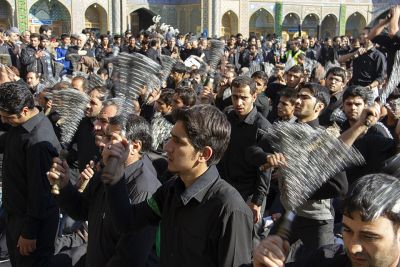
The first ten days of Muharram build toward Ashura through gatherings known as majalis. During these gatherings, communities hear sermons, poetry, and accounts of the Battle of Karbala.
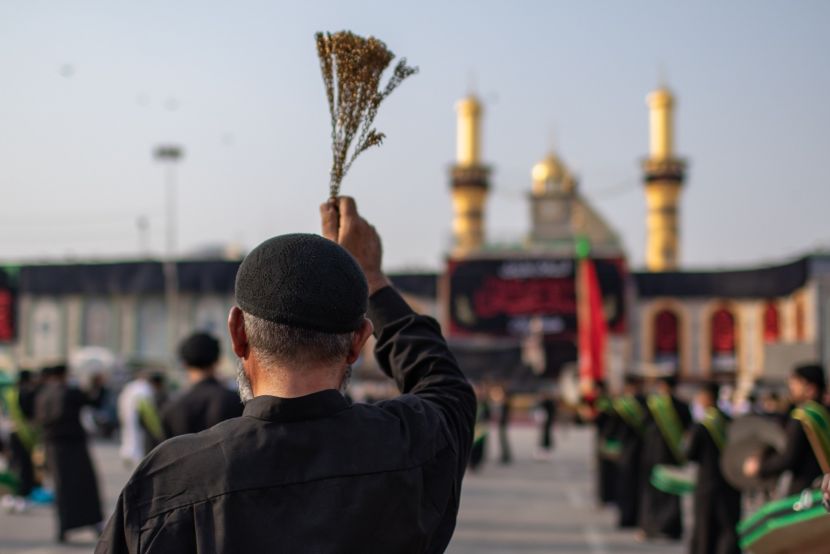
On Ashura itself, many communities hold public processions. Mourners often wear black to express grief.
Millions of pilgrims also travel to Karbala and Najaf in Iraq each year. Throughout these observances, themes of sacrifice, justice, and steadfast faith remain central.
Why Does Ashura Have Two Different Meanings?
It may seem unusual that one day carries two very different meanings.
Religious traditions often layer new events onto existing sacred dates. Over time, communities preserve the stories that speak most deeply to their own history.
For Sunni Muslims, Ashura celebrates God's deliverance of the faithful.
For Shia Muslims, it honors those who remained faithful despite overwhelming injustice.
Both traditions ultimately ask the same question: What does it mean to remain faithful under pressure?
When Is Ashura?
In 2026, Ashura fell on Thursday, June 25, corresponding to the 10th of Muharram 1448 AH. Some communities observed it on June 26 because the Islamic calendar depends on local moon sightings.
Because the Islamic calendar is lunar, Ashura moves about 10 to 11 days earlier on the Gregorian calendar each year. In 2027, it is expected to fall in mid-June.
Keep Exploring the World's Faith Traditions
Learning about Ashura is one way to better understand the beliefs, history, and traditions that shape communities around the world. At the Universal Life Church, we publish articles exploring religions, holidays, ceremonies, and spiritual practices from many different faiths to help foster greater understanding and respect.
If you're interested in learning more, you can also get ordained online for free and gain access to additional resources created for ministers and lifelong learners alike.
Frequently Asked Questions About Ashura
What is Ashura?
Ashura is the 10th day of Muharram, the first month of the Islamic calendar. It is one of the holiest days in Islam and is observed differently by Sunni and Shia Muslims.
Why do Sunni and Shia Muslims observe Ashura differently?
Sunni Muslims primarily commemorate God's deliverance of Moses (Musa) and the Israelites by fasting, following the example of the Prophet Muhammad. Shia Muslims mourn the martyrdom of Imam Hussain at the Battle of Karbala, a defining event in Shia history.
Is fasting on Ashura required?
No. For Sunni Muslims, fasting on Ashura is a highly recommended Sunnah rather than an obligation. Many also fast on the 9th of Muharram (Tasu'a) along with Ashura.
What happened at the Battle of Karbala?
The Battle of Karbala took place in 680 CE, when Imam Hussain, the grandson of the Prophet Muhammad, and his small group of supporters were killed after refusing to pledge allegiance to the Umayyad ruler Yazid. The event is central to Shia Islam.
What do Shia Muslims do on Ashura?
Shia Muslims commemorate Ashura through mourning gatherings (majalis), sermons, poetry, public processions, prayers, and pilgrimages, particularly to Karbala in Iraq.
Does Ashura have any connection to Moses?
Yes. According to Islamic tradition, Ashura marks the day God saved the Prophet Musa (Moses) and the Israelites from Pharaoh. The Prophet Muhammad fasted on this day and encouraged Muslims to do the same in gratitude.
When is Ashura observed?
Ashura falls on the 10th day of Muharram. Because the Islamic calendar is lunar, the date shifts about 10 to 11 days earlier on the Gregorian calendar each year.
Can non-Muslims participate in Ashura observances?
Non-Muslims are generally welcome to observe educational events or public commemorations respectfully. Customs vary by community, so visitors should follow local guidance and dress modestly when attending religious gatherings.