 Key Takeaways
- Most wedding officiant mistakes are easy to prevent with preparation.
- Review your ceremony script aloud to catch name errors and awkward wording.
- A short rehearsal helps prevent missed cues, timing issues, and confusion.
- Keep the ceremony personal, organized, and under 20 minutes whenever possible.
- Confirm the marriage license requirements before the wedding to avoid legal issues.
New to Officiating? Read This First
Officiating a wedding is an honor, but it also comes with responsibility. Many first-time officiants are asked to perform a ceremony for a friend or family member without any formal experience.
According to a recent survey, 67% of couples are now getting married by a friend, up from 27% in 2009. As more people step into the role of being a wedding officiant for the first time, avoidable mistakes have become increasingly common.
This guide covers the 10 most common mistakes wedding officiants make. The good news is that nearly every officiant mistake can be prevented. A little preparation, a well-reviewed script, and a simple checklist go a long way.
What Are the Most Common Wedding Officiant Mistakes?
The most common officiant mistakes involve preparation, timing, communication, and paperwork. Here are the issues that first-time officiants encounter most often.
1. Mispronouncing or Mixing Up Names
This is one of the most common officiant mistakes. It often happens when a ceremony script is copied from a previous wedding and an old name is accidentally left behind.
How to avoid it:
- Read the script aloud several times.
- Highlight every mention of the couple's names.
- Ask the couple to confirm the pronunciation before the ceremony.
Pro Tip: Ask the couple to send you a voice memo pronouncing their full names, along with the names of anyone you'll mention during the ceremony. It's much easier than trying to remember phonetic spellings.
2. Skipping the Rehearsal
Without a rehearsal, people miss cues, ring exchanges become awkward, and everyone is less confident on the wedding day.
How to avoid it:
- Bring a printed copy of your ceremony script and make notes as you practice.
- Confirm everyone's cues, including when to walk, where to stand, and who will present the rings.
- Ask someone to watch from the guest seating area to point out anything difficult to hear or see.
Pro Tip: If meeting in person isn't possible, schedule a quick video call. Walking through the ceremony virtually is far better than skipping the rehearsal altogether.
3. Writing a Generic Ceremony
Guests remember ceremonies that feel personal. A script that could apply to any couple often falls flat.
How to avoid it:
Ask the couple about:
- How they met
- What they love most about each other
- Whether they want a humorous, sentimental, or traditional ceremony
Use a professionally written ceremony as your foundation, then personalize it with the couple's stories, values, and personalities.
Pro Tip: Don't start with a blank page. You can create your own custom ceremony scripts or browse sample wedding ceremony scripts for different styles, religions, cultures, and LGBTQ+ weddings in ULC's Wedding Ceremony Scripts library.
4. Talking Too Long
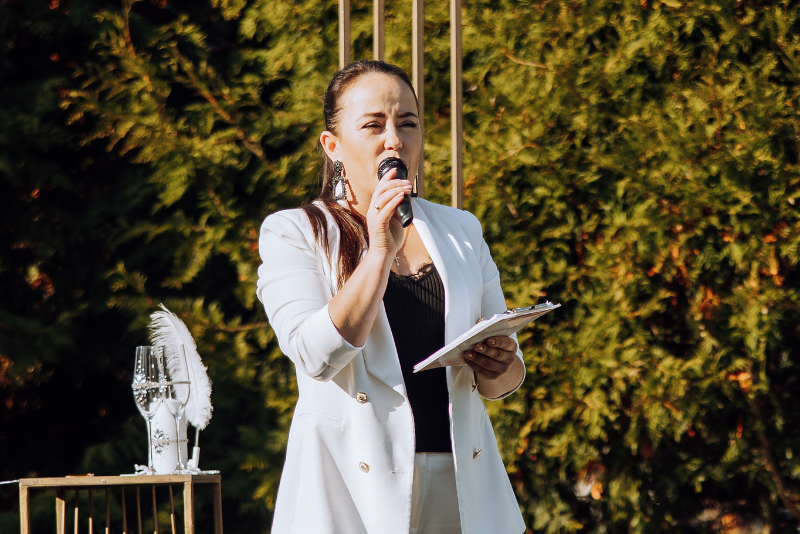
Long ceremonies lose people's attention, especially during hot, cold, or outdoor weddings.
How to avoid it:
Aim for about 15 to 20 minutes of spoken content. Remove anything that doesn't add meaning to the couple's story.
Pro Tip: Read your ceremony aloud and time it. Most officiants speak more slowly during the actual ceremony than they do while practicing, so leave yourself a little extra room.
5. Forgetting to Direct the Guests
Guests need simple instructions before the ceremony begins.
Without guidance, people may remain standing, leave phones on, or miss important moments.
How to avoid it:
Before the processional starts, remind guests to:
- Take their seats
- Silence their phones
- Stand or sit when appropriate
Pro Tip: Include guest instructions directly in your printed script so you don't accidentally skip them in the excitement of the moment.
6. Standing in the Photographer's Way
The first kiss is one of the most photographed moments of the wedding. If the officiant stays between the couple, they may appear in every photo.
How to avoid it:
Agree on a cue ahead of time. After announcing, "You may now kiss," simply step to the side.
Pro Tip: Ask the photographer before the ceremony where they want you to stand during key moments. They'll appreciate it, and the couple will too.
7. Fumbling the Rings or Ceremony Materials
Pausing to ask who has the rings or searching for paperwork interrupts the flow of the ceremony.
How to avoid it:
Before the ceremony begins, confirm:
- Who is holding the rings
- Where the marriage license is
- When each item will be needed
Pro Tip: Before guests arrive, physically point to the person holding the rings and confirm where the marriage license will be kept. Never rely on assumptions.
8. Ignoring the Sound System
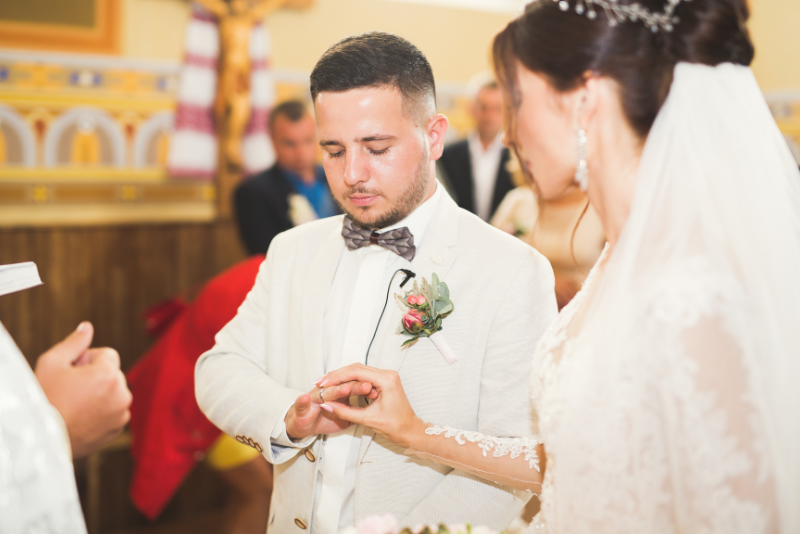
Poor audio is one of the fastest ways to lose your audience. Outdoor ceremonies can make it especially difficult for guests to hear.
How to avoid it:
- Test all microphones before guests arrive.
- Check with the venue or DJ ahead of time to learn what audio equipment will be available.
- Practice speaking at the ceremony location so you know how well your voice carries.
- Have a backup plan in case the microphone or sound system fails.
Pro Tip: If you're using wireless microphones, replace the batteries before the ceremony even if they still have charge. Fresh batteries are much cheaper than a ruined ceremony.
9. Asking Overly Personal Questions
Learning about the couple helps personalize the ceremony, but some questions can feel intrusive.
How to avoid it:
Keep planning conversations focused on the ceremony, their relationship, and the tone they want for the day.
Pro Tip: If you're unsure whether a question is appropriate, ask yourself whether the answer will actually improve the ceremony. If not, skip it.
10. Mishandling the Marriage License
The ceremony isn't complete until the legal paperwork is finished correctly. Missing signatures or filing deadlines of the marriage license can delay the legal recognition of the marriage.
How to avoid it:
Review your state's wedding requirements beforehand and verify:
- Who must sign the license
- Whether witnesses are required
- Filing deadlines
- Any officiant registration requirements
Pro Tip: Before leaving the venue, double-check the marriage license. Verify that every required signature is complete. Confirm who will return the license and the filing deadline.
Before the Wedding: A Final Officiant Checklist
Before the ceremony begins, make sure you've:
- Reviewed the ceremony script aloud.
- Confirmed the pronunciation of everyone's names.
- Personalized the ceremony for the couple.
- Attended the rehearsal or held a walkthrough.
- Verified who has the rings.
- Tested microphones and any audio equipment.
- Reminded guests to silence their phones.
- Planned to step aside for the first kiss.
- Reviewed the marriage license requirements.
- Confirmed any officiant registration or filing deadlines.
Prepare Like a Professional, Even If It's Your First Wedding
Every experienced officiant started with a first ceremony.
The difference between a stressful experience and a memorable one usually comes down to preparation. Reviewing your script, rehearsing with the couple, checking your equipment, and understanding the legal requirements will help you avoid the most common mistakes.
If you've been asked to officiate a wedding, you can get ordained online for free through the Universal Life Church. You'll also gain access to wedding ceremony scripts, state-specific marriage law guides, and officiant resources to help you prepare for the big day with confidence.
Frequently Asked Questions About Wedding Officiant Mistakes
What is the biggest mistake wedding officiants make?
Mispronouncing the couple's names is one of the most common mistakes. Reading the ceremony script aloud several times before the wedding helps catch pronunciation issues and leftover names from previous templates.
How long should a wedding ceremony be?
Most officiants aim for 15 to 20 minutes of spoken content. Longer ceremonies can lose guests' attention, especially during outdoor weddings.
Should first-time officiants have a rehearsal?
Yes. Even a short 15-minute rehearsal helps everyone understand their cues, improves timing, and reduces stress on the wedding day.
What should an officiant say before the ceremony begins?
Welcome guests, ask them to silence their phones, explain whether they should stand or remain seated, and provide any other brief instructions before the processional starts.
When should the officiant step out of the way?
Immediately after announcing, "You may now kiss." Stepping aside gives the photographer a clear view of one of the wedding's most important moments.
What happens if the marriage license is filled out incorrectly?
Incorrect or incomplete paperwork can delay the legal recognition of the marriage. Always verify signature requirements, witness requirements, and filing deadlines before the ceremony.
Do officiants need to register with the state?
It depends on where the wedding takes place. Some states and cities require officiants to register before performing marriages. Always check local laws well before the wedding day.
What resources can help a first-time wedding officiant?
Many officiants use ceremony script templates, rehearsal checklists, and state marriage law guides from the Universal Life Church (ULC). These resources help ensure the ceremony runs smoothly and that all legal requirements are completed correctly.