 Key Takeaways
- The wedding processional is the formal entrance that opens the ceremony and gets everyone into position before the service begins.
- The processional order can follow tradition or be adjusted to fit the couple and the ceremony.
- The officiant says very little during the processional but plays a key role in cueing guests to stand, sit, and settle before the opening remarks.
- A rehearsal is one of the most effective ways to prevent processional problems and help everyone feel prepared.
The moment the music starts and the first person steps into the aisle, the wedding has officially begun. As the officiant, you need to know exactly how that entrance is supposed to unfold. A well-planned processional feels effortless to guests, but that ease comes from preparation behind the scenes.
Whether you’re preparing to officiate a wedding for the first time or looking to sharpen your approach, this guide will walk you through everything you need to know about the wedding processional.
What Is a Wedding Processional?
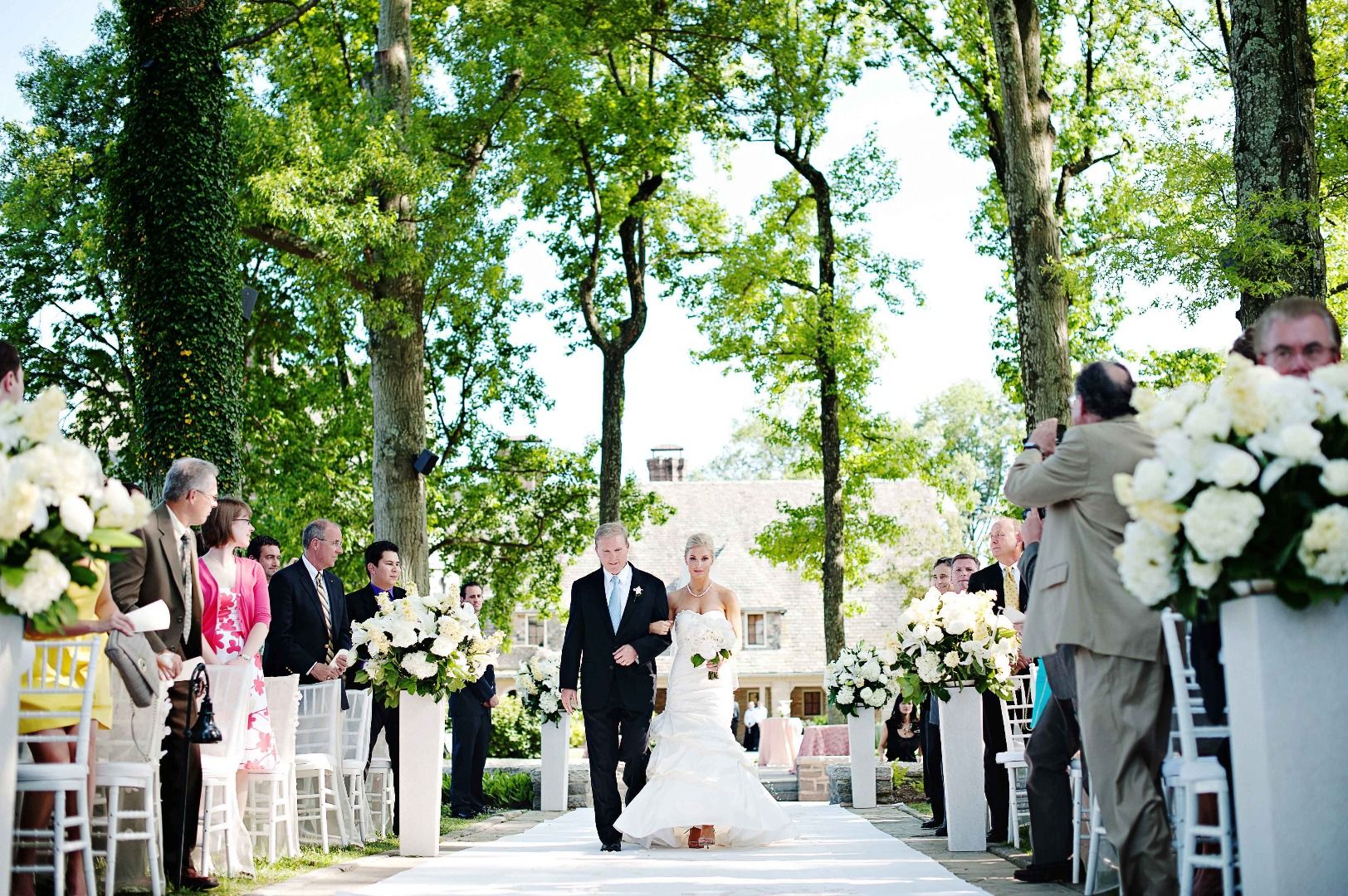
The processional is usually the first formal component of a wedding ceremony. It involves the seating of the guests in the wedding space and the entrance of the bridal party.
The processional is a relatively minor part of every wedding, but it’s still important to plan carefully. Every Universal Life Church wedding officiant should understand how to plan a processional before they perform a wedding.
What’s the Purpose of the Wedding Processional?
The processional is about getting the guests, bridesmaids, groomsmen, and the couple into place before the ceremony begins. A clear processional gives the ceremony a more polished start and helps guests understand that the formal service has begun.
As the officiant, the processional also gives you a clear transition point. Once everyone is in position, you can welcome the guests and move into the opening remarks.
Who Walks Down the Aisle in a Wedding Processional?
The people who walk down the aisle during a processional are the people the couple wants formally included in the start of the ceremony. Some have a practical role, such as escorting someone or carrying the rings. Others are included because the couple wants to honor their relationship.
Common processional participants may include:
- The officiant or minister
- Parents or grandparents
- Wedding attendants
- Ring bearers or flower girls
- Children of the couple
- Pets with a designated handler
- One or both members of the couple
- Other honored guests
As the officiant, your job is to help the couple identify who should enter as part of the wedding processional. Once those people are chosen, the next step is to decide the order and make sure each person knows where to go.
What’s the Traditional Wedding Processional Order?
The following wedding processional order is a common starting point that can be adjusted to fit the couple’s ceremony:
- The wedding officiant enters first. In a traditional ceremony, the groom may enter at this time with the best man and groomsmen.
- The bridesmaids enter from the rear of the wedding space.
- The maid or matron of honor enters after the bridesmaids.
- The ring bearer enters.
- The flower girl enters immediately before the bride.
- The bride enters, usually on the left arm of an escort.
Modern Wedding Processional Order
A modern wedding ceremony processional gives the couple more room to shape the entrance. The couple may enter together, walk with a family pet, or ask loved ones to escort them down the aisle.
Some couples take it even further by having their wedding party dance down the aisle to an upbeat song, turning the processional into a full-on celebration before the ceremony even begins.
No Wedding Party Processional Order
Some weddings don’t include a wedding party. In that case, the processional may look like this:
- The officiant takes their place.
- Honored guests are seated.
- One partner enters.
- The second partner enters.
- The ceremony begins.
For elopements or very small weddings, the couple may simply walk into place together. A simple processional can still feel meaningful.
Gender-Inclusive or LGBTQIA+ Wedding Processional Order
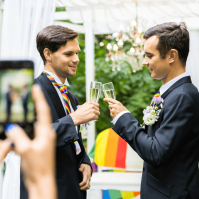
Couples don’t have to follow a traditional bride-and-groom processional structure. Both partners can enter at the same time, either walking together or approaching from opposite sides of the venue for a dramatic meeting at the altar. Alternatively, each partner can have their own separate entrance, each preceded by their own group of attendants. This approach mirrors the traditional structure while removing the gendered divide entirely.
Attendants can be grouped by their connection to each partner rather than split into bridesmaids and groomsmen. The point is that there are no hard rules here when planning a processional.
What Does the Officiant Do During the Wedding Ceremony Processional?
In many weddings, the minister or officiant is already standing at the front before the processional begins. In other ceremonies, they may enter first or walk in with one member of the couple.
Before the wedding day, confirm your role at the entrance. You should know where to stand, whether you’re walking in, and who will cue the music. You should also know whether guests are expected to stand before the couple enters.
Remember, there’s no single format that works for every wedding, so don’t make any assumptions without talking to the couple.
How Should the Wedding Officiant Plan the Processional?
The beauty of being a Universal Life Church wedding officiant is that you and the couple are allowed to plan their wedding in any way you choose. Feel free to facilitate a couple's wishes by making their processional a parade of their personalities if they want it to be one; it’s the couple's big day, and they can celebrate it how they like.
Confirm the Ceremony Space and Starting Points
The ceremony location affects how the processional should be planned. You have to keep logistics in mind because a church aisle won’t give you the same space as a beach path or backyard walkway.
Confirm with the couple where each person will start in the processional. Then walk through the path they will take to the front. If the space has side entrances or more than one aisle, decide how those features will be used.
Ministers should also know whether the vendor team needs the processional plan. This helps prevent blocked aisles, missed cues, and last-minute confusion.
Decide When Guests Should Stand and Sit
Guests often look to the officiant for direction. If the couple wants guests to stand before the final entrance, make sure you know exactly when to give that cue.
You should also decide when everyone will sit. Usually, guests remain standing until the couple has reached the front and any escort has been seated. Then the officiant says, “Please be seated.”
Rehearse the Processional Before the Ceremony
A rehearsal is one of the easiest ways to prevent processional problems. During the rehearsal, walk through the full order of the wedding processional at least once from beginning to end.
Practice the walking pace and the music cue. Make sure everyone knows where to stand when they reach the front. If an escort is presenting one member of the couple, decide what that handoff moment should look like.
What Does the Officiant Say Before the Wedding Processional?
The officiant usually doesn't say much during the wedding processional itself. However, you may need to give short instructions before and after the entrance. Keep these instructions simple. Guests don’t want a long explanation. They only need to know when to stand, when to sit, and when the ceremony is beginning.
When Guests Should Stand
If the couple wants guests to stand before the bride, groom, partner, or couple enters, the officiant can use a short cue:
- “Please rise for the entrance of the bride.”
- “Please rise for the entrance of the couple.”
- “Please stand as we welcome [Name] and [Name].”
Some couples may not want guests to stand. Others may want guests to stand only for the final entrance.
When Everyone Should Be Seated
Once the couple has reached the front and everyone is in place, you can invite guests to sit. A simple “Please be seated” is usually enough.
Wait until the processional is fully complete before giving this cue. Speaking too early can interrupt the final entrance or cause guests to sit while people are still moving.
How To Transition Into the Opening Remarks
After the processional ends, let the music fade before you begin. A short pause gives everyone time to settle. Then begin with a direct welcome, such as:
“Welcome, everyone. We are gathered here today to celebrate the marriage of [Name] and [Name].”
This transition moves the ceremony from the entrance to the formal opening remarks.
What Are the Best Wedding Processional Songs?
Wedding processional music sets the entire tone for a ceremony. Whether a couple prefers timeless classics or a contemporary song, the right processional music makes the moment unforgettable.
Here are the top songs couples often choose for their processional:
- Pachelbel's Canon in D: Beautiful, slow, and pensive, this orchestral classic layers four musical "voices" on top of each other to create something truly magical.
- Jesu, Joy of Man's Desiring: Graceful and timeless, this piece works especially well for formal ceremonies where elegance is the priority.
- Spring, Movement 1: Allegro: The lively first movement of Vivaldi's "Four Seasons" has been delighting listeners since the 18th century and brings an uplifting energy to any entrance.
- Wagner's Bridal Chorus: One of the most recognized wedding songs in the world, this piece is a go-to choice when the bride enters or is escorted to the altar.
- A Thousand Years: For couples who want a romantic entrance with a contemporary feel, this modern favorite delivers every time.
- Can't Help Falling in Love: Romantic and instantly recognizable, this one adapts easily to many ceremony styles. Couples can choose a vocal version or keep it instrumental.
A couple should choose their wedding music early to give them time to coordinate with their musician or DJ and make sure the timing works for their entrance.
Next Step: Wedding Greeting (Welcome)
Once the wedding party has made their entrance and everyone has taken their places, the officiant welcomes the couple and guests to begin the ceremony. Learn how to deliver a warm, confident wedding greeting that sets the tone for everything that follows.
Get Ordained and Lead Your Next Wedding Processional With Confidence
If you feel called to officiate weddings, become an ordained minister online through the ULC at no cost. We welcome people of every background and belief, and your ordination never expires. Once ordained, you have the authority to lead wedding ceremonies across the United States. Every couple deserves a ceremony that feels like their own, and you can be the person who makes that happen.
FAQs About a Wedding Processional
What’s the Correct Wedding Processional Order?
There’s no single correct wedding processional order for every ceremony. A traditional order often starts with the officiant and groom near the front. The bride usually enters last. However, couples can adjust the entrance to fit their ceremony.
Who Walks First in a Wedding Processional?
In many traditional weddings, the officiant enters first or is already standing at the front. The groom may enter near the beginning as well. In other ceremonies, honored family members enter before the wedding party.
Does the Officiant Walk Down the Aisle?
The officiant may walk down the aisle, enter from the side, or already be standing at the front before the processional begins.
When Should Guests Stand During the Wedding Processional?
Guests usually stand before the bride, couple, or final partner enters. The officiant can cue this by saying, "Please rise." Some couples prefer that guests remain seated, so ministers should confirm the preference before the ceremony.
How Long Does a Wedding Processional Take?
A wedding processional may take only a few minutes. The timing depends on the aisle length and the number of people entering. Rehearsing with the music can help everyone understand the pace.