Key Takeaways
- In the Catholic Church, a formal exorcism requires church approval and is usually performed only by a bishop or a priest with special permission.
- Before a major exorcism, the person believed to be possessed should be evaluated by a doctor or psychiatrist because symptoms that seem like possession may actually be psychosis or delirium.
- Exorcism rituals are legal in many cases, but any act that violates a person’s rights—restraint, intimidation, injury, or deception—is against the law.
An exorcism is a religious act meant to drive out an evil spirit from a person, place, or object. People often connect exorcism with Christianity. The idea began with Bible stories about Jesus casting out demons, and some churches later turned that belief into a formal rite. But the idea is older than that. Forms of exorcism or spirit-expelling ritual also appear in Judaism, Islam, Hinduism, Buddhism, and other belief systems.
If you want to follow tradition and cast out an evil spirit on your own, how can you perform an exorcism that keeps both faith and safety in mind?
What Is Needed To Perform an Exorcism?
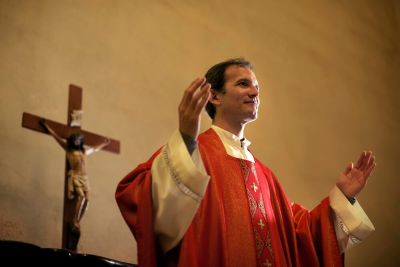
Exorcisms in the Catholic Church can only be performed by a bishop or a priest with special permission. Laypeople may pray for someone, but they typically don’t lead the formal rite. A non-denominational church may not use the same structure. However, most faiths follow several similar guidelines.
Consent
Get permission before the exorcism begins if the person can give it. Confirm that they’re willing to participate and understand what the process involves. Make it clear that you’re not forcing the rite on them against their will.
Discernment To Tell the Difference Between Possession and Crisis
Have a doctor, psychologist, or psychiatrist examine the person before you consider a major exorcism. Look for behavior that seems inappropriate or out of context, such as:
- Speaking to people who aren’t there
- Showing sudden emotional reactions that don’t match what is happening
- Acting in ways that appear disconnected from reality
Delirium can also come on quickly and lead to sudden confusion, fear, memory problems, and noticeable changes in speech or behavior.
Prayer Resources
You need prayer resources before starting the exorcism. In Christian practice, exorcism usually involves:
- Scripture
- Psalms
- Gospel readings
- Formal prayers
- Religious symbols such as the cross and blessed water
In Catholic rites, those prayers come from an approved ritual text. Other religions follow a similar structure, but use their own sacred texts and practices:
- Islam: Recitations from the Qur’an, especially specific protective passages, sometimes spoken over water or the person
- Hinduism: Mantras, ritual offerings, and invocations of specific deities
- Buddhism: Chanting protective texts to address harmful influences
- Judaism: Psalms, formal prayers, and group participation led by a trained rabbi
Each tradition uses these resources for a different goal. Some focus on commanding a spirit to leave, while others focus on cleansing, protection, or restoring balance within the person or their environment.
A Support Team for Safety and Accountability
You also need a support team. An exorcist should never work alone. In practice, that support team may include other clergy and trained assistants. Their role is to:
- Pray quietly
- Follow the instructions from the exorcist
- Ensure the possessed person doesn’t harm themselves or others
Hold the rite in a space dedicated to worship, such as a chapel, rather than in a private home. Keep the process discreet to protect the person’s dignity and avoid turning the situation into a spectacle.
How Can You Perform an Exorcism Safely?
To perform an exorcism safely, you need to keep clear physical and legal boundaries in place at all times. Keep these guidelines in mind:
- Never use force during an exorcism
- Don’t tie the person down
- Don’t block the door
- Don’t threaten the person
- Don’t use fear to get compliance
If conditions become unsafe, stop the rite and reassess. If the person gets worse, don’t continue.
What Are the Steps To Performing an Exorcism?
Follow these steps to learn how to perform an exorcism. The exact words and actions you take vary by religion, but most rites follow a similar order from start to finish.
Step 1: Open the Rite
Begin the rite by clearly marking the transition from the ordinary to the sacred. This initial step helps you shift your focus away from fear and toward the power of the work you’re doing. Most traditions open the ritual in one of two ways.
1. Invoking the Divine Through Word and Gesture
Use specific language or signs to call for protection. In Christianity, this often starts with the sign of the cross and an opening prayer. Islam begins with praise to Allah and specific verses from the Qur’an. Judaism often opens with the reading of Psalms and formal prayers to set a holy tone.
2. Establishing Presence Through Sound and Light
Other traditions use sensory actions to signal the start of the rite. In Hinduism, exorcists will light a lamp, chant mantras, or use formal invocations to invite divine presence. Similarly, Buddhism uses protective chants to create a spiritual environment.
By opening the ritual with these established practices, you ground yourself in your faith and prepare the environment for the steps to follow.
Step 2: Read or Recite the Sacred Texts Aloud

After the opening prayer, read or recite the main sacred texts used in your tradition. Speak slowly and clearly. Don’t rush through the ritual. Let the prayer do its work.
Repeat the readings as needed. In many traditions, repetition is part of the rite. For example, in Buddhist practice, you repeat chants for protection.
Step 3: Direct the Prayer Toward the Person, Place, or Object
Focus your energy on a specific person, place, or object. If you’re helping a person, speak the prayers directly over them. If you’re clearing a building, move through the rooms as you pray. To exorcise an object, focus your attention solely on that item.
You can reinforce this focus with two common physical rituals.
1. Using Sacred Elements and Touch
Many traditions use physical objects to anchor their intent. In Christianity, this might mean laying hands on a person, holding up a cross, or sprinkling holy water. Similarly, in Islam, a practitioner recites prayers over water or directly over the person to create a physical connection to the blessing.
2. Using Atmosphere and Sound
Other practices use the environment to move energy. Hindu rites often involve incense, ritual gestures, or fire to purify the air. Buddhism focuses on chanting and blessings to shift the energy of a person or space.
In Jewish traditions, the ritual is often strengthened by the sound of group participation, using a collective voice to focus the prayer. These actions take the power of your words and ground them firmly in the physical space you’re reclaiming.
Step 4: Address the Presence
It’s time to confront the harmful influence. Depending on your personal beliefs, you will likely use one of these three approaches.
1. The Direct Command
Take an assertive approach where you order the presence to leave. In many Christian traditions, for example, the practitioner speaks with authority, commanding the spirit to depart in the name of Jesus Christ.
2. The Petition
Instead of using your own voice to command, you can ask a higher power to intervene. In Islam, this involves reciting the Qur’an and asking Allah to remove the harm. Similarly, Judaic traditions often focus on heartfelt prayer, repentance, and asking for divine mercy to clear the space.
3. The Purification
You can change the environment so the presence can no longer stay. Hindu traditions often use mantras, ritual fire, and offerings to drive away negativity, while Buddhist practices use chanting and blessings to restore spiritual balance and peace.
Step 5: Watch the Response and Continue the Rite Calmly
As you continue the prayers, watch how the person or setting responds. Don’t expect dramatic movie-style signs. In real practice, the response may be quiet. The person may grow calmer, begin crying, become tired, or show relief.
In other cases, they may become distressed, agitated, or resistant. Stay steady and continue the rite until you reach a proper stopping point for that session.
Step 6: Close With a Final Blessing or Protection Prayer
Once the ritual is complete, you must formally close the session. This prevents the "door" from remaining open and ensures the space is filled with positive energy. Most traditions do this in one of two ways.
1. A Final Prayer or Blessing
Uses words to seal the work you’ve done. In Christianity and Judaism, the exorcist will say a final blessing or read a scripture of peace. In Islam, you would offer a du’a, a specific prayer asking for ongoing protection and calm for everyone involved.
2. A Ritual Dismissal or Offering
Some exorcism rituals settle the energy of the room. Hindu traditions may finish with a final offering or a prayer to formally dismiss the spiritual forces called upon during the rite. In Buddhism, the ritual often ends by "sharing merit,” or dedicating the positive energy of the chants to the peace and protection of all living beings.
Step 7: Give the Person Ongoing Spiritual Support

After the rite, help the person stay active in prayer and connected to their faith community by doing the following:
- Continuing daily prayers
- Reading sacred texts
- Attending worship services
- Meeting again with a spiritual teacher
- Blessing the home or continuing protective practices if the issue involved a place
Providing ongoing spiritual support helps you guide the person out of the intensity of the ritual and back into a steadier spiritual routine.
Are Exorcisms Illegal?
An exorcism is illegal when it includes actions that break the law or violate a person’s rights, such as:
- Holding someone against their will
- Making threats
- Causing physical harm
- Using lies or deception to get money or control
In other words, a church may pray with someone to cast out demons, but an exorcist cannot hold the person down, lock the door, threaten violence, or use fear to control the situation.
Explore Your Own Spiritual Calling
While exorcism is one of the most widely recognized spiritual rites, the deeper lesson is that meaningful spiritual work requires responsibility, discernment, and a commitment to helping others. Whether you're drawn to supporting others through prayer, community leadership, blessing ceremonies, or a deeper understanding of spiritual traditions, you may feel called to serve your community more formally.
As a Universal Life Church minister, you'll join a global community of people seeking to support others through life's most important moments. You'll also gain access to resources, inspiration, and opportunities to continue growing in your spiritual path.
If you're ready to deepen your commitment to serving others, you can become ordained online for free today.
Frequently Asked Questions About Exorcism
Can anyone perform an exorcism?
That depends on the religious tradition. In the Catholic Church, formal exorcisms require approval from church authorities and are typically performed only by specially authorized clergy. Other faith traditions may allow spiritual leaders or trained practitioners to conduct similar rites.
How do you know if someone is possessed?
Many behaviors historically associated with possession can also be caused by medical or psychological conditions. Before considering a major exorcism, religious authorities often recommend evaluation by qualified healthcare professionals.
What prayers are used during an exorcism?
The prayers vary by faith tradition. Christian exorcisms often use Scripture, Psalms, Gospel readings, and formal prayers. Other traditions may use sacred texts, mantras, chants, or protective invocations.
Are exorcisms dangerous?
Exorcisms can become dangerous if they involve physical restraint, coercion, intimidation, or the neglect of medical care. Any spiritual ritual should prioritize consent, safety, and respect for the individual's well-being.
Is it legal to perform an exorcism?
Religious prayer and spiritual rituals are generally legal. However, actions such as unlawful restraint, threats, physical harm, or fraud are illegal regardless of religious intent.
What should happen after an exorcism?
Most traditions emphasize ongoing spiritual support through prayer, worship, counseling, study of sacred texts, and continued involvement in a faith community.