Key Takeaways
- Communion is a Christian sacrament rooted in the Last Supper that uses bread and wine (or juice) as symbols of the body and blood of Christ.
- A complete communion service follows five clear steps: opening prayer, scripture reading, words of institution, sharing the elements, and a closing blessing.
- The service can be adapted for home gatherings, traditional church settings, and pastoral visits to hospitals or care facilities while keeping the same core structure.
There are moments in ministry that carry real spiritual weight, and Communion is one of them. Whether you call it the Lord's Supper, the breaking of bread, or simply the sacrament, this foundational Christian practice brings people together in a shared act of faith and remembrance.
This guide walks you through everything you need to know about how to conduct Communion, from the supplies you need to the exact words you say. We also offer practical tips for leading the service in a variety of settings.
The Purpose of Communion

Communion is one of the oldest and most widely practiced rituals in Christianity. It traces its origins to the Last Supper, when Jesus gathered with his disciples shortly before his crucifixion. At that meal, he used bread and wine to show his followers how to remember his sacrifice, establishing a practice that would become a sign of the covenant between God and humanity.
The bread represents the body of Christ, and the wine or grape juice represents his blood. Together, they form a symbolic act of remembrance and spiritual participation.
Different Christian traditions approach Communion with varying levels of formality. Some require the service to be led by ordained clergy. Others welcome any believer with authority to lead communion.
Essential Supplies for a Communion Service
Before leading Communion, gather a few simple materials. Having everything prepared in advance keeps the service flowing and allows participants to stay present in the moment. You don’t need expensive supplies to create a spiritually significant experience.
Here is what you typically need for a communion service:
- Bread or wafers for Communion, also called the Eucharist in some traditions. Unleavened bread is traditional in some churches, but a small loaf can work well in informal settings.
- Wine or grape juice, depending on the tradition you are serving
- A cup or individual cups for distribution
- A plate or tray to hold the bread
- A cloth to cover the elements until they are presented
- A Bible or printed scripture readings
Some ministers also include a candle, a cross, or other symbolic items, depending on the setting and the community they are serving. If you’re leading Communion for the first time, keep it simple and don’t worry too much about the supplies. A powerful service is built on intention and care, not elaborate presentation.
Key Steps To Conduct Communion
Knowing how to conduct Communion means understanding its natural flow. The service moves through five key moments:
- Preparation
- Scripture
- Words of institution
- Sharing the elements
- A closing prayer
Moving through these steps in order helps participants stay connected to what is happening and why it matters.
1. Open With Prayer
Begin by gathering participants and inviting them into a spirit of reverence. A short opening prayer sets the tone and signals that the community is moving into a solemn space together.
You don’t need to follow a formal script when conducting a communion prayer. Speaking sincerely and with presence works well, especially in smaller or more personal settings. The goal is to invite people to slow down and be fully in the moment.
2. Read a Scripture
Follow the opening prayer with a scripture reading that grounds the ritual in its biblical context. The most commonly used passage comes from 1 Corinthians 11:23 to 26, where Paul recounts the Last Supper in detail.
Luke 22:14 to 20 is another strong option. Reading scripture aloud reminds participants of the story behind what they are doing and connects the present moment to something much larger than the gathering itself.
3. Speak the Words of Institution
The words of institution are the centerpiece of the communion service. These are the words Jesus spoke at the Last Supper, and reciting them is what frames the sharing of bread and wine as a sacred act of remembrance.
You’ll say something like: "On the night he was betrayed, Jesus took bread, gave thanks, and broke it, saying, 'This is my body, given for you. Do this in remembrance of me.'" Hold up the bread, break it so the congregation can see, and set it on the plate.
Repeat the same for the cup: "In the same way, after supper he took the cup and said, 'This cup is the new covenant in my blood. Do this, whenever you drink it, in remembrance of me.'"
Slow your pace during this part of the service. Making your movement and speech deliberate adds more solemnity to the moment.
4. Share the Bread and Cup
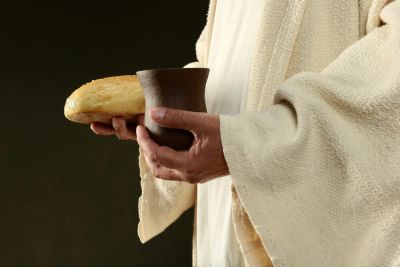
After the words of institution, explain how to receive Communion. Next, share the bread and cup with participants. Depending on the setting, you may pass a plate and cup around the group, hand the elements to each person individually, or invite participants to come forward.
As each person receives Communion, offer a brief phrase such as "The body of Christ, given for you" or "The blood of Christ, shed for you."
Keep in mind that some people may not know how to do Communion. Before the service begins, take a moment to explain what will happen in simple, welcoming language. Sharing a calm explanation can help people feel included, respected, and more comfortable receiving Communion for the first time.
5. Close With Prayer and Blessing
After everyone has received Communion, offer a closing prayer of gratitude. Thank God for the sacrifice being remembered and for the community gathered together. Offering a short blessing over the group before you formally end the service is a meaningful touch.
A clear, reverent conclusion gives participants a sense of completion and lets the significance of the moment settle before moving on.
Tips for Conducting Communion in Different Settings
Communion follows the same basic structure wherever it’s served, but the setting can shape the tone, pace, and level of formality. The goal is to honor the meaning of Communion while helping participants feel comfortable, included, and prepared.
Home
A home communion service often feels more personal than a larger church service because participants may be gathered around a table, in a living room, or near someone’s bedside.
Before you begin, ask where everyone would be most comfortable and briefly explain the flow of the service. A simple setup is usually enough: bread, wine or juice, a cup or individual cups, and a short scripture reading.
Since the setting is casual, use a warm and steady tone while still treating the moment with reverence. This helps the service feel sacred without making the people gathered feel like they have to follow a formal church routine.
Church
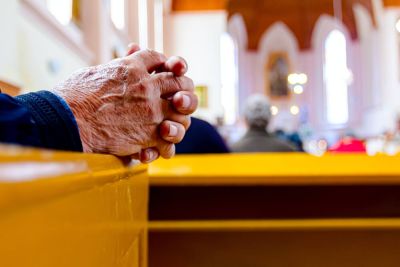
A church communion service usually requires more planning because more people are involved. Before the service begins, coordinate with church staff, ushers, or volunteers so everyone knows how the bread and cup will be prepared, presented, and distributed.
Clarify whether participants will come forward, receive Communion in their seats, or pass the elements through the rows. You should also ask about the church’s communion practice, since some communities welcome all believers while others limit participation based on membership or denomination.
Pastoral Care Settings
Communion in a hospital room, nursing facility, or home care setting calls for a gentle and flexible approach. The person receiving Communion may be tired, in pain, anxious, or surrounded by medical equipment, so keep the service brief and easy to follow.
Bring pre-portioned bread and juice if appropriate, speak clearly, and make sure the person can comfortably receive the elements. Family members or caregivers may want to participate, so explain what you’re doing calmly and inclusively.
In these moments, your presence matters as much as the words you say, and a quiet, compassionate service can bring comfort when someone needs it most.
Communion Practices Every Minister Should Know
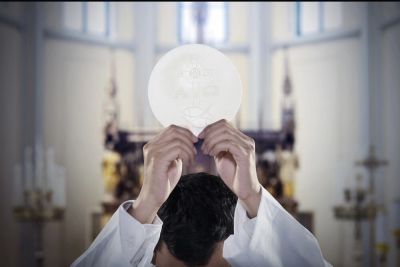
Communion carries deep emotional and spiritual significance for many people. Some participants have a lifelong connection to the ritual. Others may be experiencing it for the very first time. As the officiant, your role is to hold space with care and respect for every person at the table.
If you’re incorporating Communion into a broader service, it pairs naturally with an alternative ceremony such as a memorial observance or a rite of passage, particularly when the gathering includes participants from different spiritual backgrounds.
Before any communion service, check in with the community or individual you are serving. Ask about dietary needs, since gluten-free wafers and non-alcoholic options should be available for those who need them. Knowing and accommodating the needs of your participants reflects the spirit of care that makes a communion service truly meaningful.
Interested in Serving Others Through Ministry?
Learning how to conduct Communion is about more than understanding a ceremony. It's about helping people experience moments of reflection, connection, and spiritual meaning during some of life's most important occasions.
Whether you're exploring ministry for the first time, serving your community in informal ways, or simply looking to learn more about faith traditions, developing these skills can help you support others with confidence and compassion.
If you're interested in serving others through ministry, consider becoming a minister through the Universal Life Church. Free online ordination gives you access to ministry resources, educational content, and a community of people committed to serving others through meaningful ceremonies and spiritual leadership.
Start your free ordination today and explore where your calling may lead.
Frequently Asked Questions About Conducting Communion
Can anyone conduct Communion?
The answer depends on the denomination or faith community. Some churches require Communion to be led by ordained clergy, while others allow lay leaders or designated individuals to preside. Before leading Communion, check the practices and expectations of the community you are serving.
What scriptures are commonly read during Communion?
Many ministers read 1 Corinthians 11:23–26, which recounts Jesus' words at the Last Supper. Luke 22:14–20 is another frequently used passage that provides biblical context for the sacrament.
Do you have to use wine for Communion?
No. Many churches use grape juice instead of wine. The appropriate choice depends on the traditions, beliefs, and needs of the congregation or participants.
Can Communion be served at home?
Yes. Communion can be conducted in homes, small groups, bedside visits, and other informal settings. While the environment may be less formal than a church service, the same basic structure of prayer, scripture, sharing the elements, and blessing is typically followed.
What do you say when serving Communion?
Many ministers say phrases such as, "The body of Christ, given for you" when distributing the bread and "The blood of Christ, shed for you" when sharing the cup. Exact wording varies by denomination and personal style.
What type of bread is used for Communion?
Some traditions use unleavened bread, while others use wafers or ordinary bread. The most important consideration is that the bread serves as a symbol of Christ's body within the practice of the faith community.