Key Takeaways
- A full moon ceremony often focuses on noticing what is clear now and letting go of what feels finished.
- A new moon ceremony is a time to set intentions, especially when you want to start a new habit, move in a new direction, or take one clear first step.
- A blood moon ceremony is often connected to bigger change, which can make it meaningful during seasons of hard truth, emotional release, or major shifts in life.
For thousands of years, people across cultures have looked to the moon for meaning and direction. Some of the most common moon ceremonies come from Wiccan and Pagan communities, where full moon gatherings, often called “esbats,” mark endings, life changes, and spiritual growth.
Indigenous groups in North America and other regions have also honored lunar cycles through storytelling, seasonal gatherings, and nature-based practices. In some Hindu and Buddhist traditions, moon phases still shape times of prayer, fasting, and meditation.
Today, these alternative ceremonies and rituals are still used by people who want to reflect and feel more connected to nature.
What Is a Full Moon Ceremony?
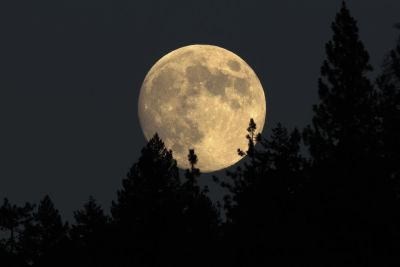
A full moon ceremony is a spiritual gathering or personal ritual held during a full moon phase. The moon is full when it appears round and fully lit in the sky. Because it’s the brightest moon phase, many traditions connect it with seeing things clearly and recognizing what has come to completion.
Common Themes of Full Moon Ceremonies
While some people associate moon rituals with casting a spell, full moon ceremonies aren’t centered on trying to influence an outcome, like with spellwork. People use the ceremonies to reflect on:
- What has grown in their lives
- What has reached a natural ending
- What they want to release emotionally or spiritually
These themes give people a chance to look at what is now visible, honor what has reached its natural end, and move forward with less emotional weight.
How Do You Perform a Full Moon Ceremony?
To start the full moon ceremony, choose a quiet space where you won’t be interrupted. Light the candles, place your paper and pen nearby for journaling or writing down what you want to release, and set out a fire-safe bowl or a bowl of water to safely let go of that written intention during the ritual.
You can also place flowers, crystals, incense, or a meaningful reading around your space to help set the tone, but use them only if they support the purpose of the ceremony.
Guide Reflection During the Full Moon Ceremony
Open with a short grounding breath, prayer, or reading. Then move into personal reflection. Ask questions that fit the moon phase:
- What has come to light?
- What feels complete?
- What are you ready to release?
Give everyone time to journal, pray, or reflect silently before inviting them to share what they’re feeling.
Include a Full Moon Release Ritual
The release ritual should be simple and clear. Participants can write down what they want to let go of, then safely burn, tear, or place it in water. That physical action helps mark the shift.
Close the ceremony in a spirit of gratitude. Ask each person to name one lesson, blessing, or truth they want to carry forward so the ceremony ends with peace instead of emotional heaviness.
What Is a New Moon Ceremony?

A new moon ceremony is a personal or shared practice that takes place when the moon appears dark or nearly invisible from Earth. Because the new moon doesn’t shine brightly the way a full moon does, it’s the quiet beginning of the lunar cycle. Many people connect this moon phase with inward focus and fresh starts.
Common Themes of New Moon Ceremonies
The focus of new moon ceremonies centers on what you want to begin, build, or trust. Those ideas often show up through a few core themes:
- Starting a new season
- Building a healthier habit
- Deepening your faith
- Calling in peace, courage, or clarity
Instead of looking at what has ended, like with a full moon ceremony, the new moon ritual looks at what you want to begin.
How Do You Perform a New Moon Ceremony?
A new moon ceremony starts with choosing a calm, uncluttered space. Dim the lights or light candles to soften the room, set out a journal for reflection, and place any spiritual items that fit your tradition nearby.
Keep the setup simple so the space feels quiet and open. The goal is to help people turn inward without distraction.
Lead New Moon Intention-Setting
Begin with silence, breathwork, prayer, or a short meditation. Then explain what the new moon represents: A fresh start, not a finished outcome.
Ask participants to identify what they want to grow in the next lunar cycle. Encourage them to focus on intentions instead of vague wishes. For example, “I want to practice patience” is stronger than “I want things to get better.”
Use a New Moon Ritual To Anchor the Intention
Once the intention is clear, give it a physical form. Participants can write it down, light a candle, plant seeds, or speak it aloud. The ritual should connect an inner desire with an outward action.
Close by asking each person to name one small, realistic action they will take in the next few days to support that intention. This could be:
- Starting a journal
- Making a needed phone call
- Setting a boundary
- Creating time for reflection
The step should be simple enough to follow through on, so the new moon ceremony ends with a clear direction.
What Is a Blood Moon Ceremony?
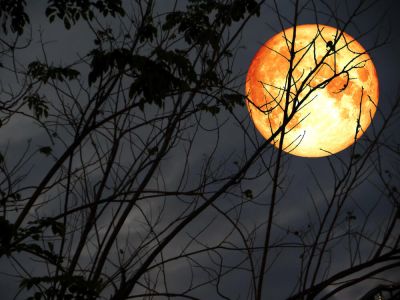
A blood moon ceremony is a spiritual observance connected to a total lunar eclipse and often used to reflect on transformation, truth, or major life shifts. During this event, Earth passes between the sun and the moon, making the moon appear red or copper-colored from Earth.
Unlike the full moon or new moon, a blood moon is not part of the regular monthly cycle. It’s a rarer event, which is one reason people often approach it with a greater sense of awe.
Because a blood moon is not as common as other moon events, the ceremony often feels more intense as well. It usually takes place during the eclipse itself, if it’s visible, or on the same evening. People may gather to reflect on change, face a difficult truth, or mark a major turning point in life.
Common Themes of Blood Moon Ceremonies
Throughout history, lunar eclipses have carried strong spiritual and cultural meaning. Different communities have interpreted them in different ways. Some viewed them with fear. Others treated them as:
- Sacred signs
- Moments of warning
- Times of spiritual power
In a modern setting, a blood moon ceremony is a time to:
- Invite you to face fears, wounds, or patterns they have been avoiding
- Connect you with hidden truths rising to the surface
- Point toward healing, release, and a more honest way of life
Taken together, these themes make the ritual feel like a chance for honest inner work.
How Do You Perform a Blood Moon Ceremony?
Before your blood moon ceremony begins, choose one main focus for your ritual. You might want to work through a season of change, face a fear, or let go of an older version of yourself that no longer fits who you are.
If you can see the eclipse, spending time outside makes the experience feel even more meaningful, but you can still have a powerful ceremony indoors. Since this kind of ritual can bring up strong emotions, you will want to keep your space uncluttered, calm, and peaceful.
Guide Reflection During the Blood Moon Ceremony
Start by guiding your group to breathe deeply, pray, sit quietly, or speak a simple blessing. This can help everyone feel present before moving into deeper reflection.
From there, guide the group with a few thoughtful questions:
- What is changing in your life right now?
- What truth have you been avoiding?
- What fear are you ready to loosen your grip on?
Give yourself time to sit quietly with those questions before inviting anyone to share how they’re feeling.
Perform a Symbolic Act of Release
A blood moon ritual should reflect change and release. Invite each participant to write down a fear, habit, or pattern they’re ready to let go of. Once they do, place the paper in a bowl, burn it safely, or wash your hands in water as a symbol of renewal.
Close the Blood Moon Ceremony With Grounding
When you’re ready to end the ceremony, bring everyone back to a grounded place. Close with a blessing, a few quiet moments, or a shared affirmation. The goal is to help you leave the ritual feeling calm enough to return to daily life, with a clearer sense of what you’re releasing and what you want to carry forward.
Deepen Your Spiritual Journey Through Ordination
Whether you're interested in moon ceremonies, meditation practices, life-cycle celebrations, or simply continuing your spiritual journey, ULC offers a welcoming community and educational resources to support your path.
Becoming ordained through the Universal Life Church is a simple way to take that next step. Ordination is free, open to people of all beliefs, and provides access to resources, articles, guidance, and ongoing opportunities to explore spirituality on your own terms.
Frequently Asked Questions About Moon Ceremonies
What is the purpose of a moon ceremony?
A moon ceremony is a spiritual practice that helps people reflect, set intentions, release emotional burdens, or acknowledge life changes in connection with a particular moon phase.
What happens during a full moon ceremony?
A full moon ceremony typically includes reflection, journaling, prayer, meditation, or a symbolic release ritual. Participants often focus on what has become clear in their lives and what they are ready to let go of.
What is the difference between a full moon and a new moon ceremony?
A full moon ceremony focuses on completion, clarity, and release, while a new moon ceremony centers on new beginnings, intention-setting, and planning for future growth.
Do you need to follow a specific religion to participate in a moon ceremony?
No. While moon ceremonies have roots in traditions such as Paganism, Wicca, and other spiritual practices, many people adapt them to fit their own beliefs, values, or personal spiritual journeys.
What is a blood moon ceremony?
A blood moon ceremony is a ritual held during a total lunar eclipse. Many people use it as a time for deep reflection, personal transformation, and releasing fears, habits, or patterns that no longer serve them.
Can moon ceremonies be done alone?
Yes. Moon ceremonies can be practiced individually or in a group. Many people prefer private rituals for reflection, while others find meaning in sharing the experience with a community.
Do I need special tools or supplies for a moon ceremony?
No. Most moon ceremonies can be performed with simple items such as a journal, candle, or meaningful reading. The focus is on reflection and intention rather than specific ritual objects.