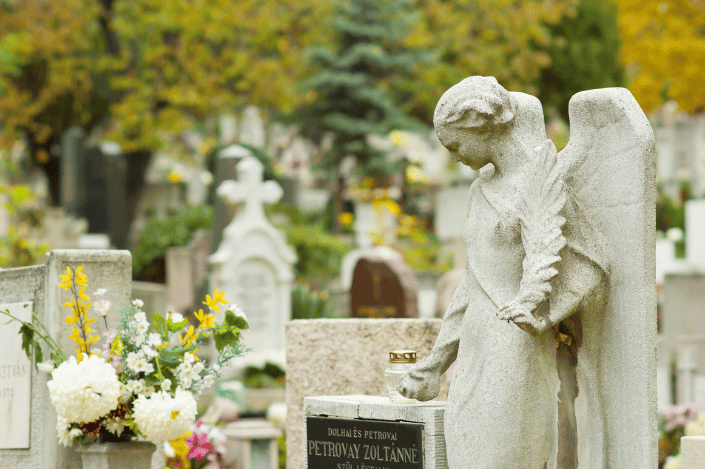
 All Saints’ Day, observed on November 1 in many Western Christian traditions, honors saints and remembers faithful lives. Its scripture readings connect remembrance with hope, inviting Christians to reflect on holiness, perseverance, and the promise of life with God.
Key Takeaways
- Common All Saints’ Day scriptures include Revelation 7, Matthew 5, and 1 John 3, with Psalm 24 or Psalm 34 accompanying these readings in different traditions.
- The exact readings depend on the church’s tradition and, in some cases, the year.
- The Bible uses “saints” for God’s holy people, but it does not establish All Saints’ Day as a November 1 observance.
What Scripture Is Read on All Saints’ Day?
Common All Saints’ Day readings include Revelation 7, Psalm 24 or Psalm 34, 1 John 3:1–3, and Matthew 5:1–12. The exact selections depend on the Christian tradition and its lectionary, the schedule of readings used in worship.
For November 1, 2026, the principal readings are:
Roman Catholic: The November 1 readings are Revelation 7:2–4, 9–14; Psalm 24:1bc–2, 3–4ab, 5–6; 1 John 3:1–3; and Matthew 5:1–12a.
Revised Common Lectionary, Year A: The Revised Common Lectionary readings are Revelation 7:9–17; Psalm 34:1–10, 22; 1 John 3:1–3; and Matthew 5:1–12.
These selections overlap, but they are not interchangeable for every service. When preparing a church reading, follow the congregation’s current lectionary and preferred Bible translation.
Scripture quotations below are from the World English Bible (WEB), a public-domain translation. These selected verses and excerpts are not the full assigned readings. The linked liturgical resources may use different translations.
1. The Great Multitude Before God: Revelation 7:9
“a great multitude which no man could count, out of every nation and of all tribes, peoples, and languages”
John describes people from across the world standing before God and the Lamb. The passage portrays a community that has endured suffering and now worships together.
For All Saints’ Day, this image offers a perspective beyond individual religious figures. The faithful belong to a community that crosses national, cultural, and historical boundaries.
It also invites remembrance of people whose names never became widely known. A day honoring all saints makes room for faithful lives lived quietly, not only those celebrated in church calendars.
2. The Beatitudes: Matthew 5:1–12
“Blessed are the peacemakers,
for they shall be called children of God.”
The Beatitudes connect God’s blessings with mercy, peacemaking, righteousness, and hope amid suffering. They also offer comfort to those who mourn.
For an All Saints’ Day reflection, the passage shifts attention from someone’s fame or status to the character of their life. It invites readers to remember people who modeled compassion and integrity, while considering how to practice those qualities themselves.
3. Children of God: 1 John 3:1–3
“See how great a love the Father has given to us, that we should be called children of God!”
This passage begins with God’s love and the identity of believers as God’s children. It then looks ahead to a future that has not yet been fully revealed, connecting hope with a call to holiness in the present.
For All Saints’ Day, it brings together belonging and transformation. The focus is on their relationship with God and what faithful people accomplished.
It also offers a reminder that remembrance can look forward as well as backward, connecting gratitude for past lives with hope for what lies ahead.
4. Seeking God: Psalms 24 and 34
The Catholic reading from Psalm 24 asks:
“Who may ascend to Yahweh’s hill?
Who may stand in his holy place?”
The following verse answers by emphasizing integrity, a sincere heart, and freedom from deceit. The passage connects seeking God with how a person lives.
Psalm 34, used in the Revised Common Lectionary’s Year A selection, offers a complementary theme:
“Oh taste and see that Yahweh is good.
Blessed is the man who takes refuge in him.”
Here the emphasis is trust and refuge. These psalms invite reflection on people who modeled honesty and those whose faith sustained them through difficulty.
For passages addressing the broader season, explore these fall and autumn Bible verses.
Other Bible Verses for All Saints’ Day
These additional passages can support personal reflection, a sermon, or a remembrance gathering. They complement the readings above but are not the assigned selections for every church or year.
A Great Cloud of Witnesses: Hebrews 12:1–2
“let’s run with perseverance the race that is set before us”
After a chapter recounting examples of faith, Hebrews describes believers as surrounded by a “cloud of witnesses.” The passage encourages perseverance while keeping attention on Jesus. For All Saints’ Day, it offers a way to reflect on how earlier generations’ examples can encourage people facing challenges today.
Resurrection and Life: John 11:25–26
“I am the resurrection and the life. He who believes in me will still live, even if he dies.”
Jesus speaks these words to Martha after the death of her brother Lazarus. The setting matters: this expression of Christian hope comes within a grieving family’s story. It can support a remembrance reflection that acknowledges loss while exploring the Christian promise of life beyond death.
Finishing the Race: 2 Timothy 4:7–8
“I have fought the good fight. I have finished the course. I have kept the faith.”
The passage looks back on perseverance and forward to a reward from God. For All Saints’ Day, it offers a focus on enduring commitment. A reflection might connect that theme with someone whose service, encouragement, or faithfulness continued through difficult circumstances.
A World Without Death or Mourning: Revelation 21:1–4
“Death will be no more; neither will there be mourning, nor crying, nor pain any more.”
Revelation describes a renewed creation where God dwells with humanity and suffering has passed away. Its vision makes it a meaningful choice for reflection on hope after loss. The passage looks toward restoration without requiring readers to pretend that present grief is easy.
What Does “Saint” Mean in the Bible?
In the New Testament, “saints” often refers to God’s holy people, including living members of Christian communities. It does not refer only to specially recognized individuals who have died.
For example, Romans 1:7 addresses believers as people called to be saints, while Ephesians 1:1 addresses the saints and faithful in Christ Jesus.
That usage matters when reading these passages. A letter addressed to “the saints” may be speaking to a congregation, not naming people later honored on church calendars.
Christian traditions place different emphases on sainthood. The United Methodist understanding of All Saints’ Day, for example, includes giving thanks for faithful people both living and deceased. Catholic teaching also describes a wider communion of believers beyond individually recognized saints.
Is All Saints’ Day Biblical?
The Bible does not command a November 1 holiday called All Saints’ Day. The observance developed later within Christian tradition.
Its central themes, however, have scriptural foundations. Hebrews encourages perseverance through examples of faith; Revelation portrays a multitude worshiping God; and 1 John connects belonging to God with hope and holiness.
The distinction is between a church-calendar observance and the biblical ideas it celebrates. Christians can read and reflect on these passages whether or not their congregation formally observes the holiday.
All Saints’ Day vs. All Souls’ Day
All Saints’ Day and All Souls’ Day are related, but they are not the same observance.
In Catholic tradition, All Saints’ Day on November 1 honors the saints in heaven. All Souls’ Day on November 2 commemorates the faithful departed and is associated with prayers for those undergoing purification. Other Christian traditions approach these commemorations differently.
Carry Meaningful Traditions Forward
Remembering faithful lives can inspire us to bring more compassion and service into our own relationships. One meaningful way to support someone you love is to help celebrate their wedding.
Through the Universal Life Church, you can get ordained online for free and begin preparing to officiate a wedding for a friend, family member, or someone close to your heart.
Frequently Asked Questions About All Saints’ Day Scripture
What is a good short scripture for All Saints’ Day?
1 John 3:1–3 is a compact choice for personal reflection. Its three verses bring together God’s love, the identity of believers as God’s children, and hope for the future. Matthew 5:9 offers an even shorter verse about peacemaking.
What is the Gospel reading for All Saints’ Day?
The Roman Catholic Gospel reading is Matthew 5:1–12a, the Beatitudes. The Revised Common Lectionary also assigns Matthew 5:1–12 in Year A, including 2026. Check the relevant church’s lectionary for other years or traditions.
What scripture can I use to remember a loved one?
Revelation 21:1–4 offers a vision of life without death or mourning, while John 11:25–26 expresses Christian resurrection hope. Choose a passage that respects the loved one’s beliefs and the purpose of the gathering.
What does “communion of saints” mean?
The expression refers to a spiritual fellowship in Christ. In Catholic teaching on the communion of saints, that fellowship includes believers on earth, the departed undergoing purification, and the saints in heaven. Other Christian traditions explain its details differently.