“Be sure your sin will find you out” comes from Numbers 32:23, where Moses warns the tribes of Reuben and Gad not to break a promise they made to help the other Israelites. The verse is often applied to secret wrongdoing, but its original message is more specifically about accountability and keeping commitments.
 Key Takeaways
- “Be sure your sin will find you out” appears in Numbers 32:23.
- Moses gives the warning to Reuben and Gad after they promise to help the other Israelites enter Canaan.
- In context, the “sin” is failing to keep that commitment.
- The verse warns that wrongdoing has consequences, but it does not explicitly say every secret sin will eventually become public.
- Reuben and Gad ultimately kept their promise, according to Joshua 22.
What Does Numbers 32:23 Say?
The King James Version of Numbers 32:23 reads:
“But if ye will not do so, behold, ye have sinned against the Lord: and be sure your sin will find you out.”
The final phrase has become a familiar warning about wrongdoing catching up with someone. But understanding its original meaning requires looking at why Moses said it.
What Is the Context of Numbers 32:23?
Numbers 32 takes place as the Israelites prepare to enter Canaan.
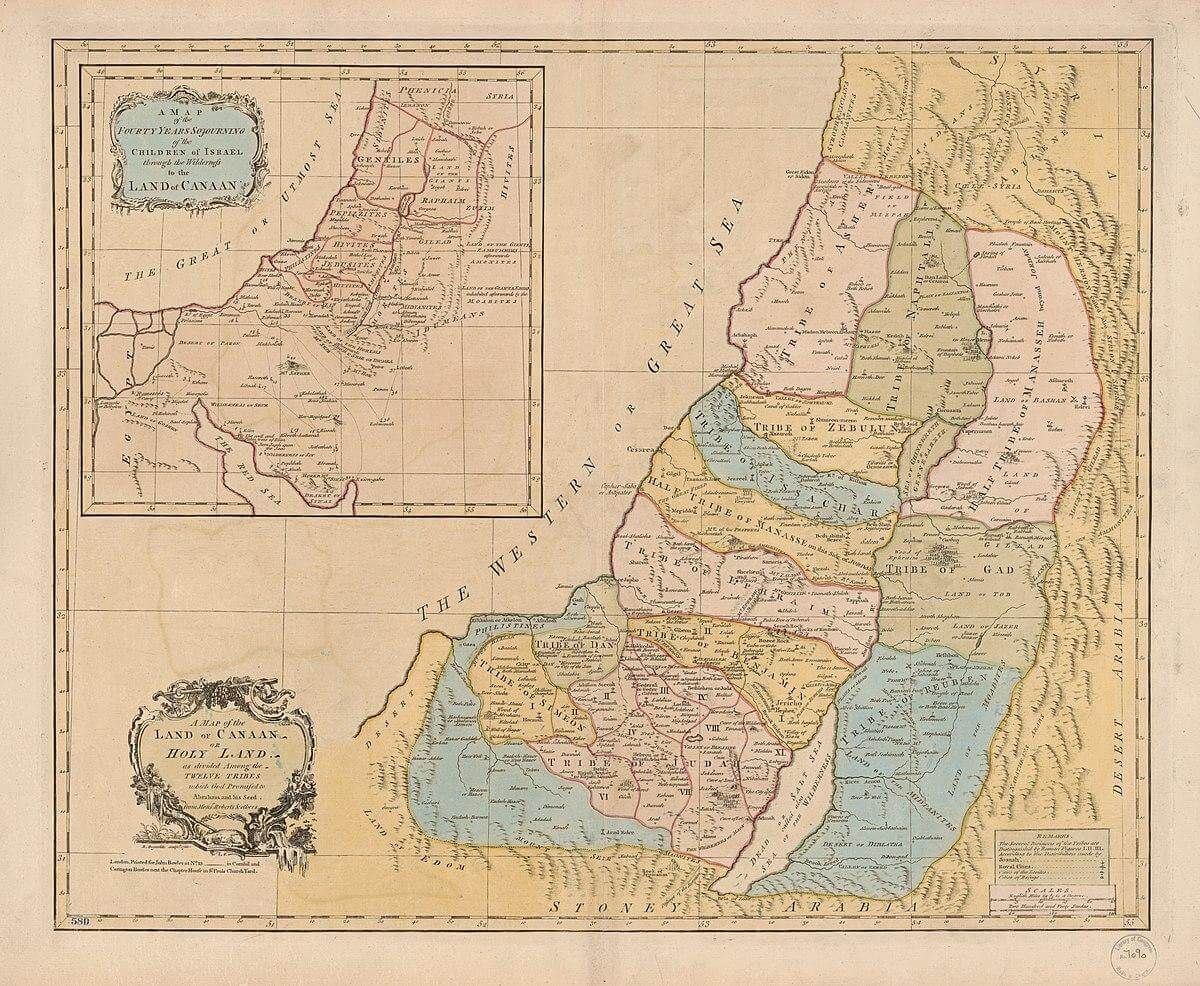
The tribes of Reuben and Gad owned large herds of livestock and saw that land east of the Jordan River was well suited for their animals. They asked Moses for permission to settle there rather than receive territory farther west.
Moses initially feared they were abandoning the other tribes. He remembered an earlier generation of Israelites who had discouraged the people from entering Canaan and worried that Reuben and Gad might create a similar crisis.
Reuben and Gad Make a Promise
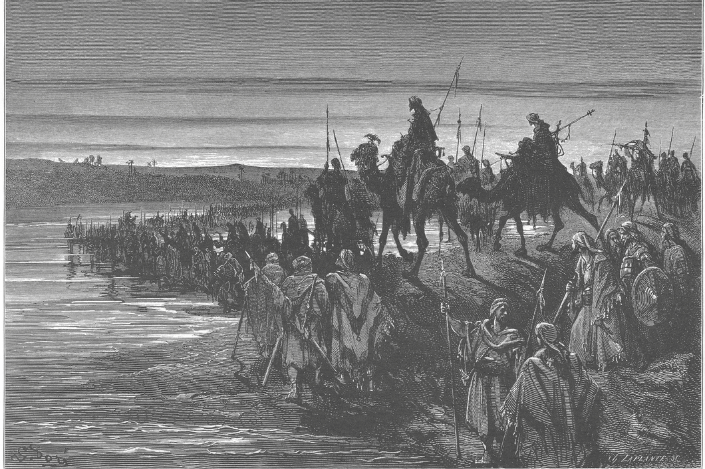
Reuben and Gad explained that they intended to build settlements for their families and livestock, then send their fighting men across the Jordan to help the other tribes.
They promised not to return home permanently until the other Israelites had received their territories.
Moses agreed, but warned them that breaking this commitment would be a sin against God:
“Be sure your sin will find you out.”
In its immediate context, then, the verse is not about an unspecified hidden sin. It is about failing to honor a specific promise.
What Does “Your Sin Will Find You Out” Mean?
Numbers 32:23 is fundamentally a warning about accountability.
Moses is telling Reuben and Gad that they cannot make a solemn promise, benefit from the agreement, and then walk away from their responsibility without consequences.
The phrase is figurative. “Sin” does not literally pursue someone. Rather, wrongdoing has a way of bringing consequences, whether through damaged relationships, communal accountability, or, within the theology of Numbers, judgment before God.
The message is more about “you will not simply escape responsibility for what you have done.”
Does “Your Sin Will Find You Out” Mean Secret Sins Will Be Exposed?
Not necessarily.
The verse is often quoted to suggest that hidden wrongdoing will inevitably be discovered. That can be a broader religious application, but it is not exactly what Numbers 32 describes.
Reuben and Gad’s promise was already known. Moses was warning them that failing to fulfill it would bring guilt and consequences.
So while the phrase can reasonably be applied as a general warning about wrongdoing, Numbers 32:23 does not explicitly promise that every secret sin will eventually become publicly known.
That distinction matters because familiar Bible verses are often quoted apart from the stories that originally gave them meaning.
Is Numbers 32:23 About Punishment or Consequences?
The verse does not explain exactly how the sin would “find” Reuben and Gad.
That ambiguity helps explain why the phrase has been interpreted broadly. It can suggest divine judgment, natural consequences, exposure, or simply the impossibility of escaping responsibility.
Within the story itself, the emphasis is on obligation. Reuben and Gad wanted the land that suited them, but receiving it did not release them from their duty to the rest of Israel.
Their actions affected the larger community, not only themselves.
Christian traditions have developed different ways of thinking about the seriousness and consequences of wrongdoing. One example is the distinction between mortal and venial sins, which categorizes sins according to their gravity within Catholic theology.
Did Reuben and Gad Keep Their Promise?
Yes. Joshua 22:1–4 later describes Reuben, Gad, and half the tribe of Manasseh as having fulfilled their obligation. Joshua tells them that they obeyed Moses and remained with the other Israelites until the campaign was complete.
He then allows them to return to their territory east of the Jordan.
This ending adds important context to Numbers 32:23. The story is about a warning that encourages them to honor their commitment.
What Does Numbers 32:23 Mean for Christians Today?
For modern readers, Numbers 32:23 is often understood as a reminder that choices have consequences and commitments carry responsibilities.
Read in context, the verse especially raises questions about promises:
- What responsibility comes with making a commitment?
- Can someone accept the benefits of an agreement while ignoring their obligations?
- What happens when wrongdoing appears to have no immediate consequence?
- How should people remain accountable to both their communities and their faith?
Different Christian traditions may answer those questions differently, but the story of Reuben and Gad cautions against assuming that responsibilities can simply be abandoned.
It also demonstrates why biblical context matters. A phrase commonly used to warn about hidden sin originally comes from a much more specific dispute over promises, community obligations, and accountability.
Explore Scripture and Faith With the ULC
Familiar verses can take on new meaning when we examine the stories surrounding them. The Universal Life Church provides resources and an open community for people from a wide range of faiths and belief systems to explore Scripture, religion, ethics, and ministry.
If you’d like to access these resources and join the community, you can become ordained online for free.
Frequently Asked Questions About Numbers 32:23
Where does “your sin will find you out” appear in the Bible?
The phrase appears in Numbers 32:23. Moses says it while warning the tribes of Reuben and Gad about the consequences of failing to fulfill their promise to help the other Israelites enter Canaan.
What does “be sure your sin will find you out” mean?
In context, it means that Reuben and Gad would be accountable if they failed to keep their commitment. More broadly, the phrase is often understood as a warning that wrongdoing can bring consequences even when they are not immediate.
Does Numbers 32:23 mean every secret sin will be exposed?
No. The verse does not explicitly say that every hidden sin will eventually become public. Its original context concerns a known promise that Reuben and Gad were expected to fulfill.
Does the Bible say “your sin” or “your sins will find you out”?
The King James Version says, “Be sure your sin will find you out,” using the singular “sin.” “Your sins will find you out” is a common paraphrase.
Did Reuben and Gad keep their promise?
Yes. Joshua 22:1–4 says they fulfilled their obligation to the other Israelites before returning to their own territory.