Witchcraft symbols can carry very different meanings depending on where and how they appear. A pentacle on a necklace may mean protection, while a triple moon on an altar can point to the Goddess or the moon's changing phases. Put the same symbols in another tradition, however, and the meaning may shift. That's why the symbol alone rarely tells the whole story.
The symbols below are common in modern witchcraft and Pagan practice, but their histories often reach much further back.
Key Takeaways
- Many witchcraft symbols have histories that reach beyond modern witchcraft, Wicca or Pagan practice.
- A symbol's meaning can change depending on the tradition, setting and person using it.
- Common witch symbols often connect to protection, nature, spiritual balance or cycles of change.
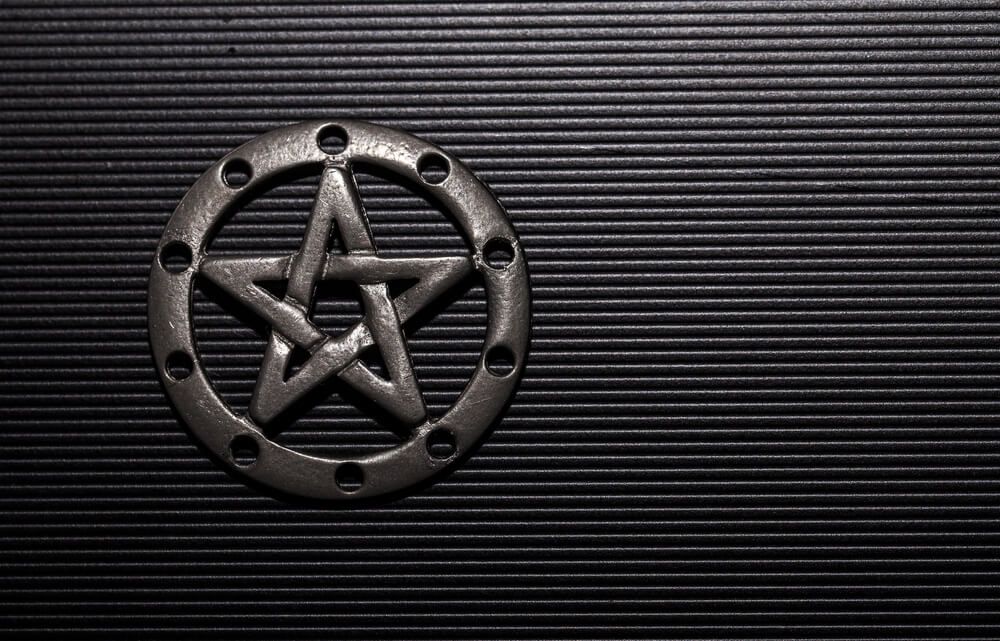
1. Pentacle: Protection and the Elements
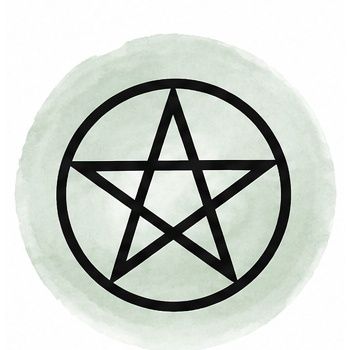
The pentacle is a five-pointed star inside a circle. Many Wiccan and Pagan practitioners connect its points with the four classical elements plus spirit. The circle around them can suggest unity or wholeness.
For many practitioners, the pentacle represents protection or balance, not something sinister. This is where context matters. An upright pentacle differs from the inverted pentagram seen among some Satanic symbols, and the pentagram itself has carried several meanings throughout history.
2. Triple Moon: Cycles and the Goddess
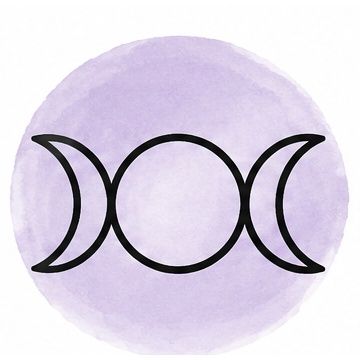
The triple moon places a full moon between waxing and waning crescents. The image follows the moon through its changing phases, making it a natural symbol for cycles and change. It is also closely tied to feminine spirituality in some traditions.
Some Wiccan traditions connect the three moons with the Maiden, Mother and Crone. Together, these figures can represent stages of life or different aspects of the Goddess.
3. Triquetra: Threefold Connection
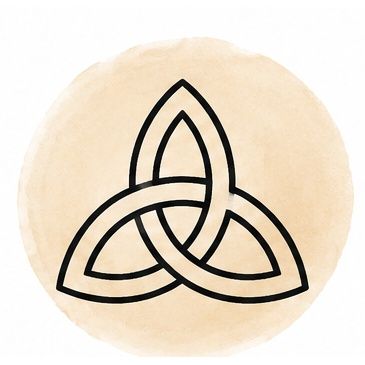
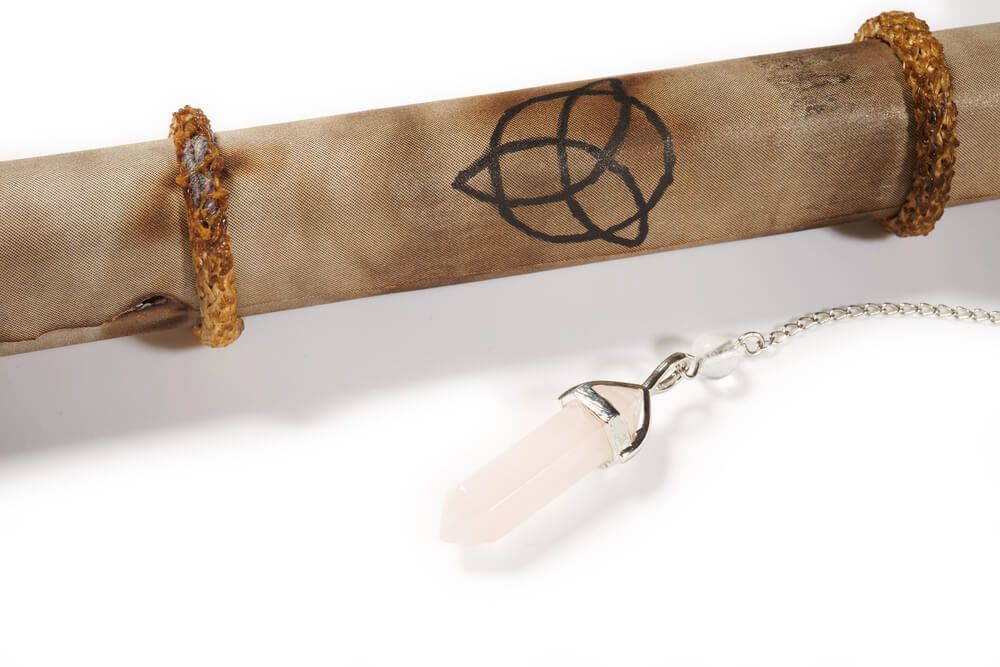
The triquetra's three interlocking arcs have been around far longer than modern witchcraft. You can find versions of the design in Celtic art and Christian imagery, which is a good reminder that the symbol has never belonged to just one faith.
Modern Pagan and witchcraft traditions often use it to show a three-part connection. What those three parts represent depends on the practitioner. One person may see life, death and rebirth, while another gives the symbol a more personal meaning.
4. Witch's Knot: Protection and Warding
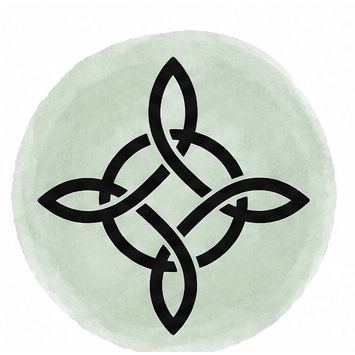
The witch's knot uses an interwoven design with no obvious beginning or end. It is often associated with protection. Knot magic also has roots in older folk practices, where tying or binding could represent holding an intention in place.
Today, a practitioner might wear or display the knot as a form of spiritual protection. The details vary, but the basic idea often centers on keeping unwanted influence away.
5. Wheel of the Year: The Seasonal Cycle
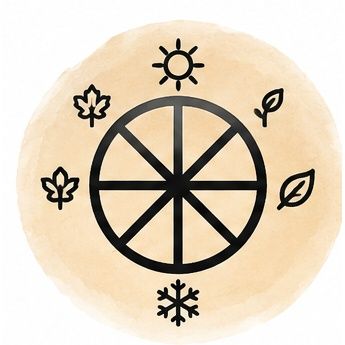
The Wheel of the Year maps eight seasonal festivals observed by many modern Pagans. The celebrations follow changes in the natural year, from the darkness of winter to the growth of spring and summer and back again.
Instead of representing one deity, the wheel shows the year as a repeating cycle. For practitioners, it can be a way to connect spiritual practice with the seasons and the natural world.
6. Elemental Symbols: Earth, Air, Fire and Water
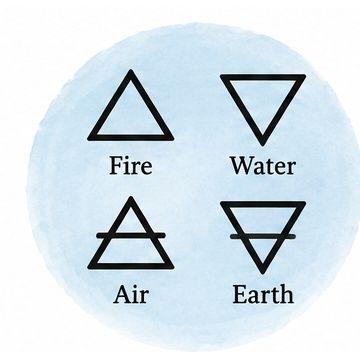
The four classical elements each have a simple triangle symbol. Fire points upward and water points downward. Add a horizontal line to those shapes and they become the symbols for air and earth.
You may see these symbols on an altar or within spellwork when a practitioner wants to call attention to a particular element. How that element is understood depends on the tradition.
7. Spiral: Growth and Change
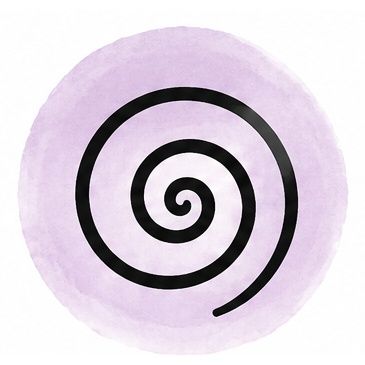
Spirals appear in ancient art around the world, long before modern witchcraft. Today, some witches and Pagans use the shape to represent growth, transformation or life's repeating cycles.
The simple shape also leaves room for personal meaning. A spiral can suggest spiritual growth or serve as a reminder that change rarely follows a straight line.
8. Ankh: Life and Vitality
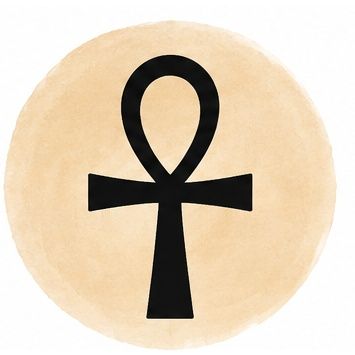
The ankh is not originally a witchcraft symbol. It comes from ancient Egypt, where it represented life and often appeared in sacred art. Its familiar looped shape later found a place in a range of modern spiritual practices.
That helps explain why you may see the ankh used by some modern witches and other spiritual practitioners today. They may connect it with life or spiritual continuity, but its Egyptian origin remains an important part of its story.
Why Do Witch Symbols Have Different Meanings?
Symbols rarely stay in one place. The triquetra appears in more than one religious tradition, the ankh began in ancient Egypt and the pentagram has carried different meanings across centuries. As symbols move between cultures and beliefs, people give them new layers of meaning.
So recognizing the shape is only the first step. A pentagram, knot or spiral cannot tell you exactly what someone believes. The tradition behind it and the way the person uses it fill in the rest of the meaning.
Explore Your Own Spiritual Symbols
Symbols can reflect the traditions, values, and spiritual beliefs that matter most to you. The Universal Life Church welcomes people of all faiths and backgrounds to explore their spiritual paths.
If someone you love is planning a Pagan, Wiccan, or handfasting wedding, you can get ordained online for free to help officiate their special day. Be sure to check local marriage laws before performing a legal ceremony.
Frequently Asked Questions About Witch Symbols and Meanings
How can you identify a witchcraft symbol without assuming its meaning?
Start with the symbol, but do not stop there. Look at where it appears and who is using it. When possible, learn how that person or tradition explains the image instead of relying on assumptions from movies or popular culture.
Is a pentacle a Satanic symbol?
Not inherently. The upright pentacle is widely used in Wicca and other Pagan traditions and is often connected with the elements, protection and balance. Some inverted pentagrams are associated with modern Satanism, but the orientation and context matter.
Are witchcraft symbols always religious?
No. A symbol may be part of someone's spiritual practice, but it can also carry cultural or personal meaning. Seeing a witch symbol by itself does not tell you everything about the person's beliefs.