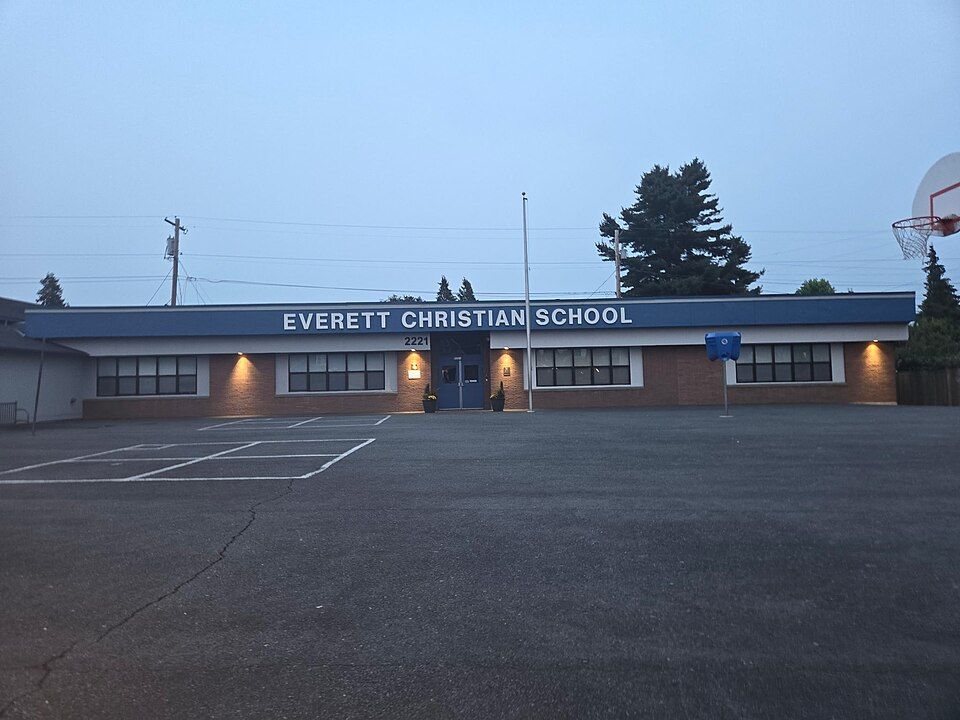
 A Washington school district has agreed to pay $275,000 in attorney's fees and publicly apologize after a lawsuit accused it of restricting students' religious expression. The dispute involved children allegedly being required to keep their Bibles hidden in sealed envelopes, along with restrictions on an off-campus Christian education program. Although Everett Public Schools did not admit wrongdoing, the settlement raises questions about religious freedom in public schools.
Key Takeaways
- Everett Public Schools agreed to pay $275,000 in attorneys' fees to settle a religious discrimination lawsuit involving LifeWise Academy.
- The lawsuit challenged restrictions on students' Bibles and religious materials, weekly permission slips, and the program's access to school events.
- A federal judge had previously granted several requests for preliminary relief in favor of LifeWise Academy.
- The settlement requires updated procedures, religious liberty training for school board members, and a public apology.
Why Was Everett School District Sued Over Religious Freedom?
The dispute began when LifeWise Academy, a privately funded Christian education organization, challenged how Everett Public Schools treated its students and programs.
LifeWise provides optional Bible instruction to public school students during the school day. The classes take place off school property and require parental permission.
At Emerson Elementary School in Everett, Washington, approximately 50 children participated in the weekly program as of 2025, according to local reporting.
In December 2025, LifeWise Academy and parent Sarah Sweeny filed a federal lawsuit accusing the district of violating their First Amendment rights.
The plaintiffs alleged that the district imposed unnecessary restrictions on religious instruction, including requiring frequent parental authorization and limiting access to campus resources.
But one of the most controversial allegations involved how students were required to handle their Bibles.
Were Students Forced to Hide Their Bibles at School?
According to the lawsuit, Everett Public Schools required students returning from LifeWise classes to keep any materials they received, including Bibles, sealed in envelopes inside their backpacks.
This meant that children could not freely access those religious materials during the remainder of the school day.
The plaintiffs argued that the restriction unfairly singled out religious materials, particularly because students could ordinarily read other nonacademic books during designated free-reading periods.
The dispute extended beyond Bibles.
LifeWise also challenged the district's requirement that parents submit new permission slips for every weekly session rather than authorizing participation for an entire semester.
Additionally, the organization alleged that it was excluded from community resource fairs and prevented from distributing promotional flyers through channels available to secular organizations.
Together, these restrictions formed the basis of the lawsuit's claims that the district had treated religious expression less favorably than comparable nonreligious activities.
Federal Judge Rules in Favor of Christian Students
In April 2026, U.S. District Judge Lauren King granted a preliminary injunction addressing several of the plaintiffs' complaints.
The court ordered Everett Public Schools to allow LifeWise Academy to participate in community resource fairs and distribute promotional materials wherever comparable secular organizations were permitted to do so.
The judge also required the district to accept semester-long permission slips that specified the dates, times, and authorized individuals responsible for students attending LifeWise classes.
Most importantly for the families involved, the order permitted the plaintiff's children to read LifeWise materials during periods when students could read other nonacademic materials.
The ruling did not grant every request made by the plaintiffs. However, it provided temporary relief while the lawsuit continued.
The district subsequently acknowledged that the court's decision raised significant concerns about how its policies had been implemented.
School District Agrees to $275,000 Settlement and Public Apology
In October 2026, Everett Public Schools reached a settlement with LifeWise Academy, bringing the lawsuit to an end.
According to the settlement announcement, the agreement requires the district to:
- Pay $275,000 in attorney's fees.
- Provide religious liberty training for school board members.
- Update procedures governing religious activities and student participation.
- Publish a written apology on the district's website for six months.
The district's public statement acknowledged that the implementation of certain policies had caused difficulties for participating families.
Officials also apologized for comments made during school board meetings that families considered offensive toward their religious beliefs.
The settlement did not include an admission of legal liability. Everett Public Schools said resolving the dispute would avoid the additional costs of prolonged litigation.
Can Students Bring Bibles to Public Schools?
The lawsuit raises a broader question: Can public schools restrict students from bringing Bibles or other religious materials onto campus?
Generally, students have the right to bring and read religious texts at public schools, provided they follow the same reasonable rules that apply to comparable nonreligious materials.
For example, a student may ordinarily read a Bible during free-reading time if classmates are permitted to read other personal books.
However, schools can limit activities that disrupt instruction or interfere with their educational responsibilities. Students cannot necessarily interrupt a lesson to read religious materials when other unrelated reading is prohibited.
The distinction between private religious expression and school-sponsored religious activity is also important.
Public schools cannot promote religious beliefs as official doctrine, but that does not mean they must exclude all religious expression by individual students.
Can Children Leave School for Religious Instruction?
Another important issue in the lawsuit concerns released-time religious instruction.
Under this arrangement, parents can authorize their children to leave public school temporarily to receive religious education elsewhere.
In Zorach v. Clauson (1952), the U.S. Supreme Court upheld a released-time program in which public school students received religious instruction off campus with parental permission.
Such programs must operate within applicable state laws and school policies. Schools may also establish reasonable administrative requirements to ensure student safety and accountability.
In Everett, the federal court determined that the district needed to modify how it handled parental permission and student access to the LifeWise program.
The settlement therefore illustrates the challenges public schools face when balancing religious freedom, parental choice, and the responsibility to maintain a neutral educational environment.
For students and families of all faiths, the underlying principle remains the same: Public schools must respect students' private religious expression while ensuring that school-sponsored activities do not favor one religion over another.