Thanksgiving isn't the only celebration of gratitude and togetherness. From Korea's Chuseok to Germany's Erntedankfest, cultures around the world have their own ways of giving thanks. These seven traditions offer inspiration for making your Thanksgiving celebration more meaningful.
Key Takeaways
Thanksgiving and harvest celebrations exist in different forms worldwide, although their histories and meanings vary.
Traditions often emphasize gratitude, family, community, honoring ancestors, or sharing food.
Families can draw inspiration from these celebrations while respecting their cultural and religious significance.
7 Thanksgiving Traditions From Around the World
Not every celebration below is called Thanksgiving, and some have little connection to the American holiday. However, each offers a different perspective on what it means to give thanks.
For a closer look at the history and cultural significance of these celebrations, explore harvest festivals from around the world.
1. United Kingdom: Give Back to Your Community
In the United Kingdom, Harvest Festival is commonly celebrated in September or October. Churches and schools traditionally collect food to give thanks for the harvest and support people in need.
According to the Church of England, food donations have become an important part of many Harvest Festival celebrations.
Tradition to try: Organize a Thanksgiving food drive or invite guests to bring nonperishable items for a local food bank. It's a simple way to turn gratitude into generosity.
2. Canada: Celebrate the Seasonal Harvest
Canada celebrates Thanksgiving on the second Monday in October, earlier than the American holiday. Like its U.S. counterpart, Canadian Thanksgiving often centers on family gatherings, seasonal foods, and appreciation for the harvest.
The holiday has taken different forms throughout Canadian history, with its current date established in 1957.
Tradition to try: Incorporate locally grown seasonal ingredients into your Thanksgiving menu. Visit a farmers market or prepare a family recipe that highlights the harvest in your region.
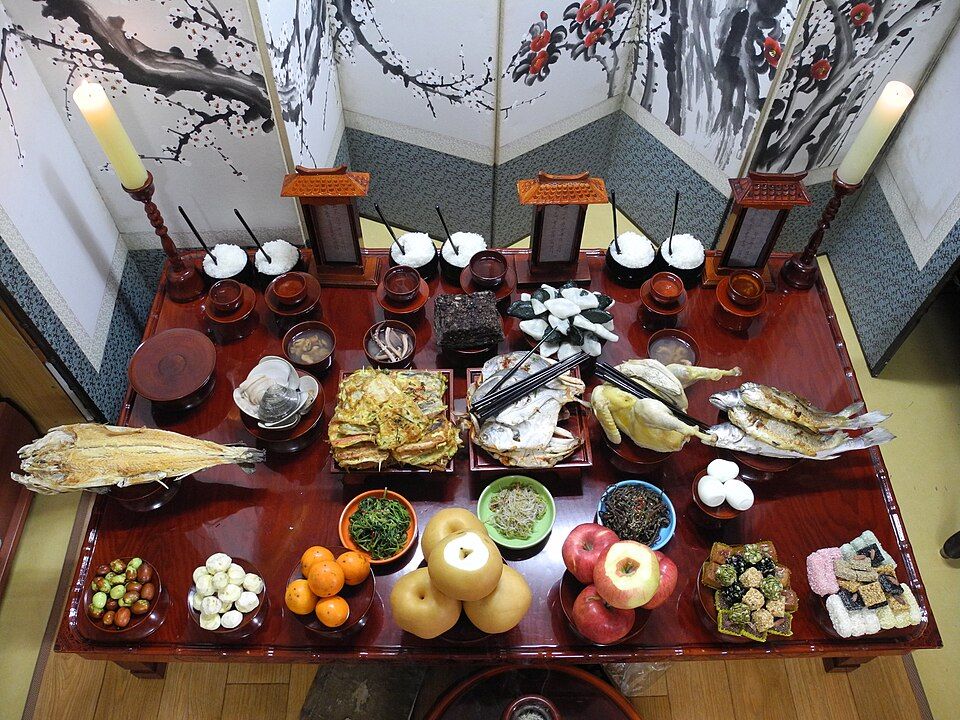 3. South Korea: Honor Your Ancestors During Chuseok
Chuseok, sometimes called Korean Thanksgiving, is a major harvest holiday celebrated according to the lunar calendar.
Families often gather to share traditional foods, including songpyeon, or half-moon-shaped rice cakes. Many also honor their ancestors through memorial rituals or visits to family graves.
Tradition to try: Set aside time to share family stories or look through old photographs. Express gratitude for the generations that came before you and the traditions they've passed down.
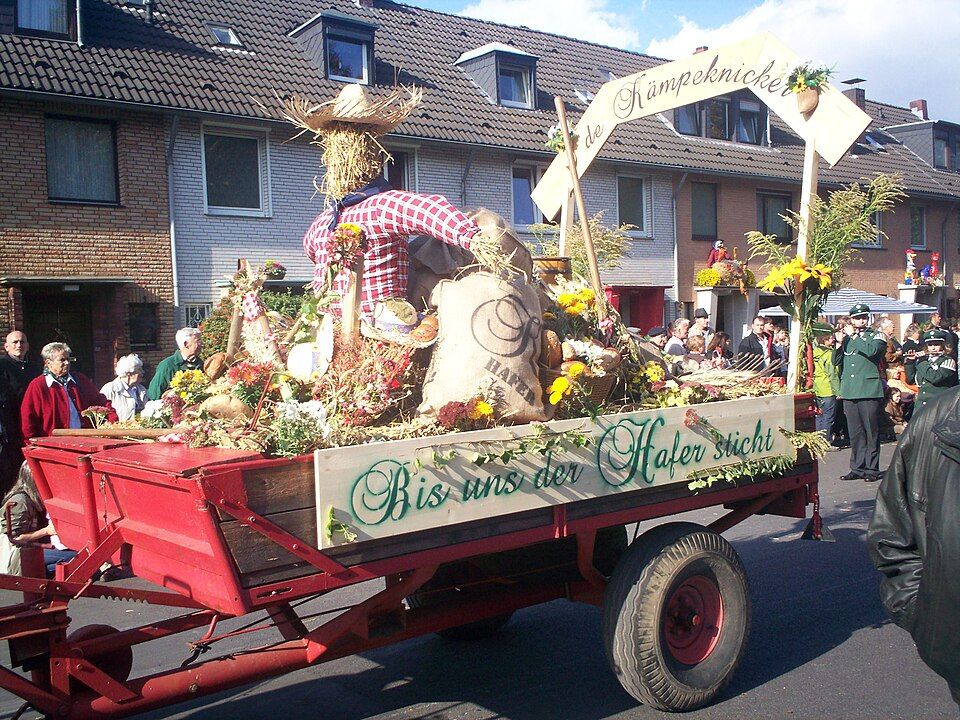
4. Germany: Give Thanks for the Harvest at Erntedankfest
Germany's Erntedankfest, or harvest thanksgiving festival, is commonly observed in late September or early October.
Many Christian communities mark the occasion with church services, harvest decorations, and donations of food. Local celebrations may also feature processions or community gatherings.
Unlike American Thanksgiving, Erntedankfest isn't a national public holiday.
Tradition to try: Decorate your Thanksgiving table with seasonal fruits, vegetables, and flowers. Take a moment to appreciate the farmers and workers who helped bring the meal to your table.
5. Jewish Traditions: Share a Meal During Sukkot
Sukkot is a Jewish festival associated with the autumn harvest and remembrance of the Israelites' journey through the wilderness.
Many Jewish families build a temporary outdoor structure called a sukkah, where they share meals and spend time together. The festival emphasizes gratitude, hospitality, and the temporary nature of material security.
Tradition to try: Organize an outdoor Thanksgiving meal or gathering, weather permitting. Use the occasion to appreciate nature, hospitality, and the people who make you feel at home.
6. Liberia: Express Gratitude Through Prayer and Reflection
Liberia observes National Thanksgiving Day on the first Thursday in November. Established by legislation in 1883, the holiday has strong religious associations.
Church services and prayers of thanksgiving have traditionally played an important role, with people gathering to express gratitude for protection, resilience, and blessings.
Tradition to try: Invite guests to share something meaningful they're thankful for before the meal. Those who wish can offer a prayer or blessing, while others can express gratitude in their own words.
Thanksgiving can be meaningful without a religious component, too. Explore who atheists thank on Thanksgiving for another perspective on gratitude.
7. Grenada: Reflect on History and Resilience
Grenada observes Thanksgiving Day on October 25, but its meaning differs significantly from harvest-based celebrations.
The holiday commemorates the 1983 U.S.-led military intervention following a period of political violence. Its history is more closely connected to national events than the agricultural harvest.
Tradition to try: Make time for thoughtful reflection. Discuss important moments in your family's history, the challenges you've overcome, and the people who helped you along the way.
Make Thanksgiving Traditions More Meaningful
Learning about other cultures can inspire new holiday traditions, but it's important to recognize that these celebrations have distinct histories, beliefs, and meanings.
Rather than recreating sacred rituals, consider adopting broader practices such as sharing food, supporting your community, remembering loved ones, and expressing gratitude.
Beyond Thanksgiving, many cultures celebrate the changing seasons through unique traditions. Discover six fall celebrations around the world and the meanings behind them.
It's also worth reflecting on the history of American Thanksgiving itself. Families can explore Thanksgiving books from Native American perspectives to better understand the holiday beyond the familiar Pilgrim narrative.
Ultimately, the best Thanksgiving traditions are those that bring people together and reflect what matters most to them.
At the Universal Life Church, we believe meaningful ceremonies and traditions can take many forms. If you'd like to help create lasting memories for someone you love, you can get ordained online for free to officiate weddings for friends or family and lead other special ceremonies.