9 Satanic Symbols and Their Meanings: Decoding Occult Imagery
Key Takeaways
- Many Satanic symbols predate modern Satanism and originated in religious, alchemical, or occult traditions.
- Modern Satanists often interpret these symbols as expressions of personal freedom, skepticism, and self-determination.
- Symbols such as the Sigil of Lucifer, Leviathan Cross, and inverted pentagram have become closely associated with contemporary Satanic movements.
- The Baphomet statue incorporates multiple symbolic elements that represent balance, knowledge, and individual autonomy.
- Understanding the history of these symbols helps separate fact from popular misconceptions.
Understanding Satanic Symbols: Origins, Meanings, and Misconceptions
Satanic symbols have long been the subject of fascination, controversy, and misunderstanding. Popular culture often portrays these images as representations of evil or malicious intent, but their meanings are often far more complex. Depending on the tradition, Satanic symbols may represent individualism, rebellion against authority, intellectual inquiry, personal freedom, or the balance of opposing forces.
It is important to note that not all symbols associated with Satanism originated within Satanism itself. Many have roots in Christianity, alchemy, Hermetic philosophy, ancient mythology, or ceremonial magic before being adopted by modern Satanic movements.
What Are the Satanic Symbols?
Satanic symbols are visual representations associated with various forms of Satanism and occult philosophy. While interpretations vary between organizations and individuals, many symbols emphasize themes such as self-empowerment, personal responsibility, intellectual freedom, and resistance to dogmatic authority.
Some symbols have been used for centuries in religious or mystical contexts before being adopted by modern Satanic groups. Understanding their origins provides valuable insight into how they are used today.
1. Inverted Cross: A Symbol of Defiance and Reinterpretation
The upside-down cross is one of the most widely recognized symbols associated with Satanism, but its origins are Christian rather than Satanic.
According to Christian tradition, Saint Peter requested to be crucified upside down because he felt unworthy of dying in the same manner as Jesus Christ. For centuries, the inverted cross was known as the Cross of Saint Peter and served as a Christian symbol.
In modern popular culture, however, the symbol has frequently been used to represent anti-establishment or anti-Christian sentiment. Some Satanists have adopted the inverted cross as a symbol of rebellion against religious authority and traditional dogma.
2. Leviathan Cross: The Emblem of Human Autonomy
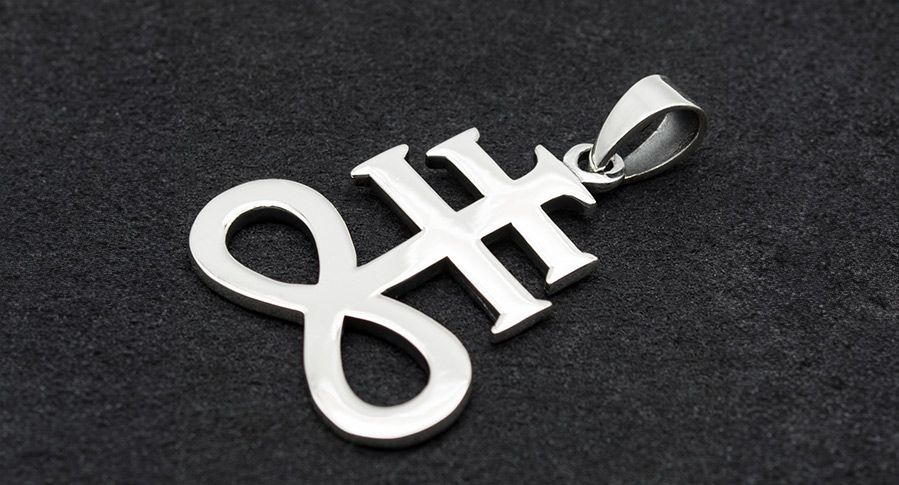
The Leviathan Cross, sometimes called the Brimstone Cross or Sulfur Symbol, combines a double-barred cross with an infinity symbol.
Originally used in medieval alchemy to represent sulfur, the symbol was associated with the soul and transformative power. In contemporary Satanism, particularly within traditions influenced by Anton LaVey, the Leviathan Cross has come to symbolize independence, self-determination, and the limitless nature of human potential.
The infinity symbol at its base is often interpreted as representing eternity, continuity, and unrestricted personal growth.
3. Sigil of Lucifer: The Mark of Enlightenment and Individualism
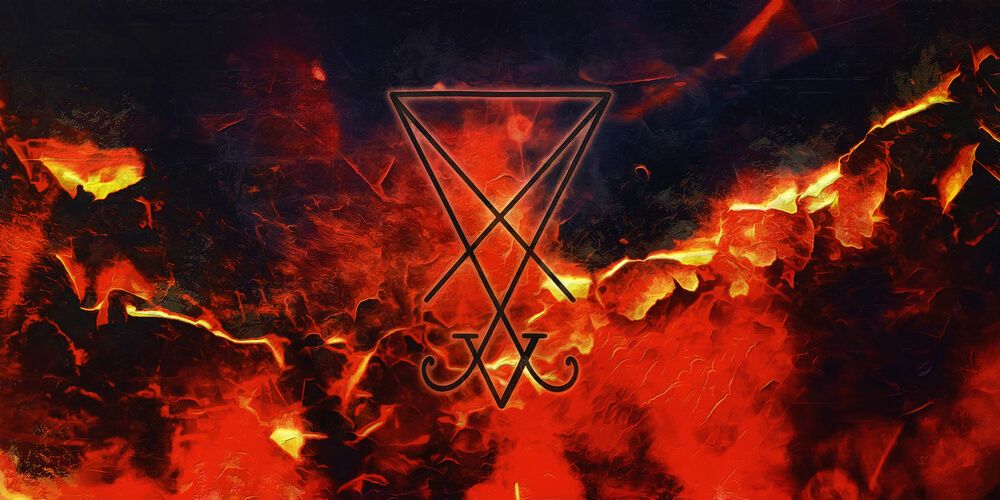
The Sigil of Lucifer is one of the most prominent symbols in modern Satanic and occult traditions. Historical versions of the sigil appeared in grimoires and magical texts dating back to the Renaissance.
Today, the symbol is commonly associated with Lucifer as the archetypal "light-bringer"—a figure linked to enlightenment, knowledge, and questioning authority.
For many practitioners, the Sigil of Lucifer serves as a reminder to pursue wisdom, independent thought, and personal empowerment.
4. "As Above, So Below" Gesture: The Balance of Opposing Forces
The familiar gesture of one hand pointing upward and the other downward is derived from the Hermetic principle "As above, so below."
This concept originates from Hermetic philosophy, a spiritual tradition associated with the legendary Hermes Trismegistus. The phrase expresses the belief that different realms of existence—spiritual and material, heavenly and earthly—reflect one another.
The gesture is often associated with artistic depictions of Baphomet and symbolizes balance, interconnectedness, and the union of opposites.
5. Children Beside Baphomet: Innocence, Curiosity, and Free Thought
The famous Baphomet monument created by The Satanic Temple includes two children standing beside the seated figure.
These children are intended to represent curiosity, innocence, and the freedom to seek knowledge. They also symbolize the importance of questioning authority and learning independently rather than accepting beliefs without examination.
Their presence contrasts with common fears surrounding Satanic imagery and reinforces themes of education, exploration, and intellectual freedom.
6. The Caduceus: Harmony Between Opposing Ideas

Displayed on the torso of many Baphomet depictions is the caduceus, an ancient symbol consisting of two serpents entwined around a staff.
Historically associated with the Greek god Hermes, the caduceus represents communication, balance, exchange, and reconciliation between opposing forces.
Within Baphomet symbolism, the caduceus often reflects the coexistence of seemingly contradictory ideas and the possibility of harmony between opposing viewpoints.
7. Gender Duality in Baphomet: The Union of Masculine and Feminine Forces
One of the most enduring themes in traditional Baphomet imagery is the balance between masculine and feminine characteristics.
The original 19th-century depiction by French occultist Éliphas Lévi included both male and female traits, symbolizing the union of opposites. Modern interpretations vary, but the underlying concept remains the same: completeness is achieved through balance rather than division.
This symbolism reflects broader occult themes concerning harmony, integration, and the coexistence of different aspects of human nature.
8. Inverted Pentagram: A Challenge to Conventional Beliefs
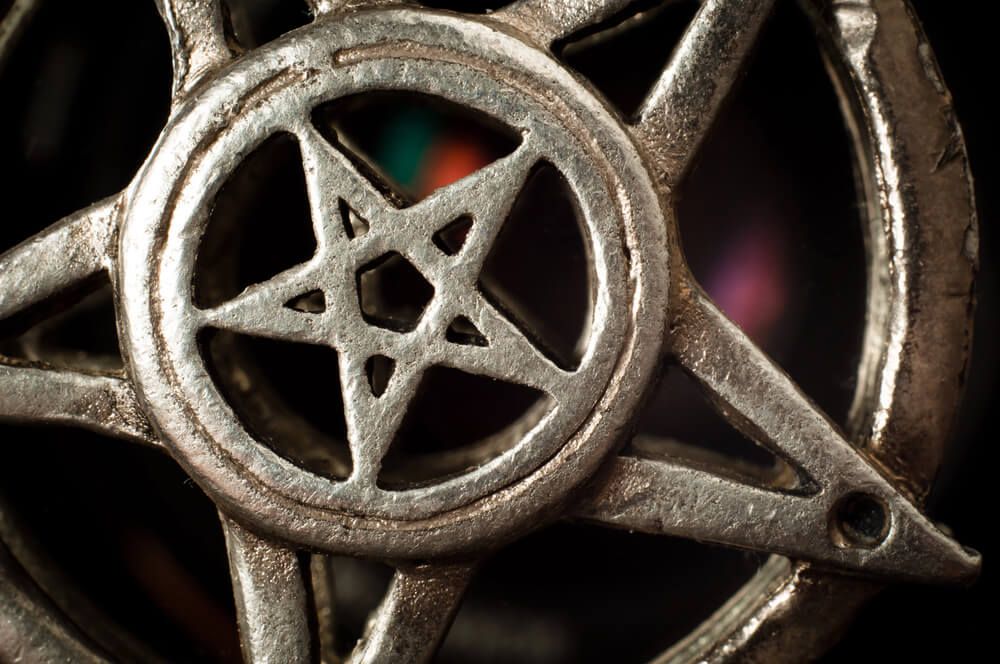
The pentagram is among the most recognizable symbols associated with Satanism. While upright pentagrams have been used for centuries in various religious and mystical traditions, the inverted pentagram became closely associated with modern Satanism during the 20th century.
The most famous version appears within the Sigil of Baphomet, featuring a goat's head inside an inverted five-pointed star.
For many Satanists, the symbol represents individualism, material existence, and the rejection of external spiritual authority. Its interpretation varies significantly depending on the tradition and practitioner.
9. Torch Between Baphomet's Horns: The Pursuit of Knowledge and Truth
The flame or torch positioned between Baphomet's horns symbolizes enlightenment, knowledge, and the pursuit of truth.
This imagery draws upon longstanding associations between fire and wisdom found throughout mythology, religion, and philosophy. Rather than representing destruction, the flame is often interpreted as illumination—the ability to see clearly, think critically, and seek understanding.
For many who embrace Satanic symbolism, this torch represents the continual pursuit of personal growth and intellectual discovery.
Why Understanding Satanic Symbols Matters: Demystifying Satanic Symbols
Satanic symbols are often viewed through the lens of popular culture, which can obscure their historical origins and philosophical meanings. While interpretations differ among Satanic organizations and practitioners, many of these symbols are connected to broader themes of self-determination, skepticism, balance, and the search for knowledge.
By understanding the history behind these images, we can better distinguish between myth and reality while appreciating the diverse ways people express their beliefs and values.
The Universal Life Church supports every individual's right to explore spiritual ideas, question assumptions, and practice their beliefs freely. Encouraging open dialogue about different philosophies and traditions helps foster greater understanding, tolerance, and respect among people of all backgrounds.