Key Takeaways
- Beginners can start reading tarot without memorizing all 78 cards or learning every traditional meaning.
- Start with a clear, open-ended question, shuffle the deck, and pull one card or try a simple three-card spread.
- When interpreting a card, consider the imagery and your first impression before checking the traditional meaning in a guidebook.
- Reversed cards and tarot cleansing are optional, so beginners can keep their first readings simple.
- Regular practice and keeping a tarot journal can help you become more comfortable interpreting the cards over time.
How Do Tarot Cards Work for Beginners?
Tarot can look complicated when you first open a deck. There are dozens of cards, unfamiliar symbols, and many possible meanings. The good news is that learning how to use tarot cards doesn’t require you to understand everything at once.
Tarot is often used for divination or personal reflection, much like other divination tools. This guide explains the basic process so you can begin without feeling like you need to become an expert first.
How To Use Tarot Cards

Tarot cards are illustrated cards used for reflection, spiritual guidance, and divination. During a reading, you draw one or more cards and consider how their images and traditional meanings relate to a question or situation in your life.
A standard tarot deck contains 78 cards divided into two main groups. The 22 Major Arcana cards focus on larger life themes and significant experiences. The remaining 56 Minor Arcana cards tend to relate more closely to everyday situations.
You don’t need to memorize every card before you begin. Most decks include a guidebook, and beginner tarot guides can help you learn common meanings as you practice.
How To Prepare for Your First Tarot Reading
Once you’re familiar with the basic structure of the deck, you can try your first reading. Learning how to use tarot cards starts with choosing something you’d like guidance or insight about. From there, you’ll shuffle the deck, pull one or more cards, and consider how their meanings relate to your question.
Choose a Question or Intention
Before you shuffle the deck of tarot cards, decide what you want the reading to focus on. Beginners often find open-ended questions easier because they leave more room for reflection than questions that can only be answered with yes or no.
For example, instead of asking, “Will I get the job?” you could ask, “What should I consider as I look for a new job?” If you’re thinking about a relationship, you might ask, “What can I better understand about this situation?”
Other common tarot questions may focus on personal growth, a decision you’re facing, or something you’d like to understand more clearly. You could ask, “What should I focus on this week?” or “What can I learn from this experience?”
Some readers take a few quiet minutes to breathe, reflect, or follow a simple meditation practice before they begin. This can help them focus on the question they want to explore during the reading.
Shuffle the Tarot Deck
There isn’t one required way to shuffle tarot cards. You can shuffle them like regular playing cards, mix them gently on a table, or divide the deck into smaller piles before putting it back together.
Keep your question in mind while you shuffle. Stop when the cards feel mixed enough to you. Choose a method that’s comfortable and easy to repeat.
How To Pull Tarot Cards
Learning how to pull tarot cards is simpler than it may sound. After shuffling, you can take the top card from the deck. You can also spread the cards face down and choose one that catches your attention.
There’s no rule that says one approach gives a better reading. Pick a method and use it consistently while you’re learning so you can focus on interpreting the card.
Start With a One-Card Reading
A one-card reading is one of the easiest ways to practice using tarot cards as a beginner. Ask a clear question, shuffle your deck, and pull one card. Turn it over and spend a moment looking at the image before checking the guidebook.
For example, you might ask, “What should I focus on today?” If you draw The Hermit, think about whether you need more quiet time or space to reflect. The guidebook can then help you compare your first impression with the traditional meaning.
Try this once a day for a week. Regular practice can help you recognize cards without trying to memorize the entire deck at once.
Try a Three-Card Tarot Spread
Once you’re comfortable with a single card, try a three-card spread. A basic past-present-future spread gives each card a clear purpose and is easy for beginners to follow.
You can also assign the positions different meanings. For a problem you’re working through, they might represent the situation, an action to consider, and a possible outcome.
Place the cards from left to right. A tarot altar can hold three cards if you want a dedicated reading space, but placing them on a clean table works as well.
How To Read Tarot Cards
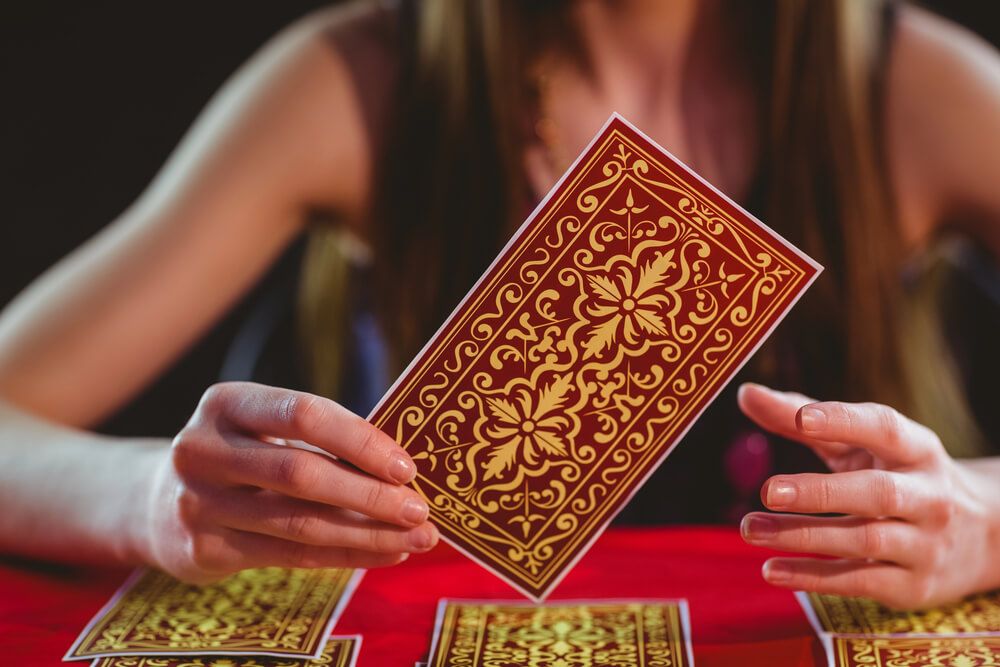
Reading tarot isn’t only about looking up a definition. Start with what you can see. Notice the main figure, what seems to be happening, and the feeling the image gives you. Then check the traditional meaning in your guidebook.
Suppose you pull The Sun. You may notice the bright image and get a positive feeling before you know its usual meaning. Comparing that first impression with the guidebook helps you learn how the artwork and traditional interpretation connect.
It can also help to keep a tarot journal. Write down the question, the card you pulled, and your interpretation. When you review older readings, you can see how your understanding changes with practice.
Treat tarot as a tool for guidance or reflection rather than a guaranteed prediction. This keeps the focus on what the reading can help you consider rather than assuming a card fixes the future.
Reading Reversed Tarot Cards
When you shuffle tarot cards, some may end up upside down. If you turn over a card and the picture is upside down, that card is considered to be reversed.
Some tarot readers believe a reversed card changes the meaning of the card. For example, an upright card may point to confidence or progress, while the reversed version may suggest a delay, an obstacle, or that the same issue is happening internally. Other readers don’t use reversed meanings at all and simply turn every card upright before reading it.
If you’re learning how to use tarot cards as a beginner, you don’t need to learn reversed meanings right away. Start with the upright meanings so you can get familiar with the deck without adding another layer of interpretation. Once you feel more comfortable, you can decide whether you want to include reversals in your readings.
How To Cleanse Tarot Cards
Learning how to cleanse tarot cards is simple but optional. In tarot practice, cleansing means taking a moment to reset the deck before a reading. Some readers believe this helps clear away energy from previous readings, while others use cleansing simply as a way to focus and prepare mentally.
Cleansing is a personal or spiritual practice, so there isn’t one correct method or schedule. If the routine helps you feel more focused before a reading, you can make it part of your practice.
Common methods of cleansing tarot cards include:
- Shuffling the deck: Slowly reshuffle the cards while thinking about your next reading. This is one of the easiest methods for beginners.
- Using moonlight: Some readers who practice moon ceremonies or other lunar traditions place their tarot deck near a window during a full moon as part of a cleansing ritual.
- Using incense or smoke: Light incense and briefly pass the deck through the smoke while keeping the cards safely away from the flame.
- Setting an intention: Hold the deck for a moment and think about what you want from the reading. For example, you might focus on approaching the cards with a clear mind or an open attitude.
Some readers also light a spiritual candle while cleansing their cards or preparing for a reading. But whatever method you choose will depend on your own beliefs and routine.
How To Store Tarot Cards
Tarot cards don’t require special storage. Storing them in their original box is fine as long as it keeps them dry and protected. Some readers prefer a cloth bag or another container that’s easy to carry.
Use Tarot Cards in Your Spiritual Practice
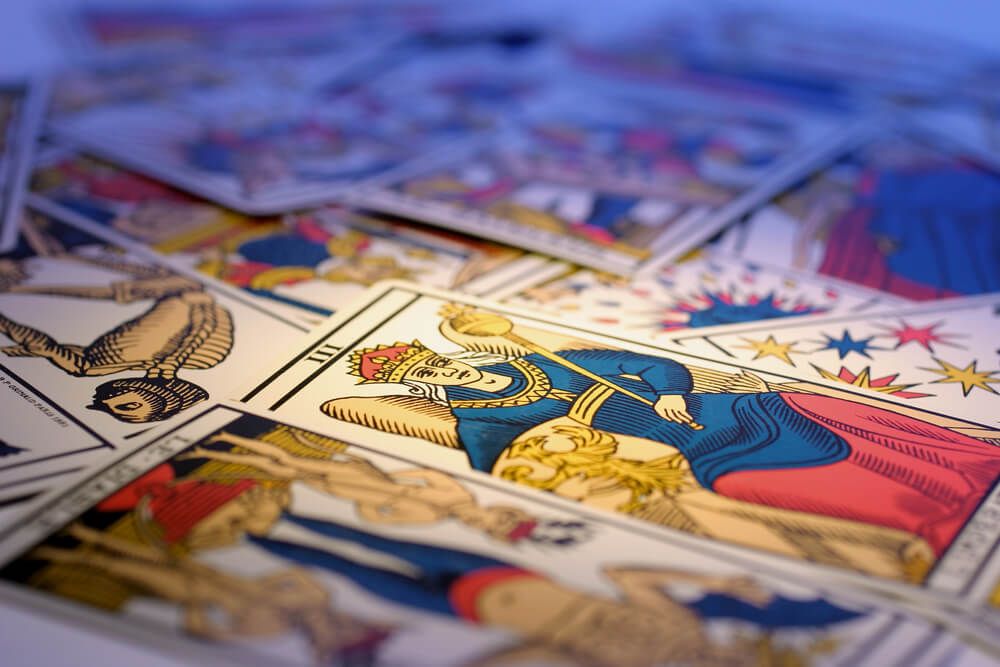
Learning how to use tarot cards takes practice, but anyone can do it. As the deck becomes more familiar, you can explore new spreads or develop a reading routine that fits your beliefs.
Tarot can also be part of a broader spiritual practice. Ministers may use reflection and other stress-relief rituals as they explore their beliefs or support people in their communities. These practices can give ministers another way to create thoughtful moments for themselves and the people they serve.
If you feel called to deepen your spiritual path and serve others, become an ordained minister online through the Universal Life Church, which welcomes people from all backgrounds and belief systems. That openness gives ministers the freedom to build a spiritual practice that reflects their own beliefs, whether that includes tarot, meditation, prayer, or other forms of reflection.
Frequently Asked Questions About How To Use Tarot Cards
How Many Tarot Cards Should a Beginner Pull?
Pulling one tarot card is enough to begin. Once you’re comfortable interpreting a single card, try a three-card spread with a clear meaning for each position.
Can You Read Tarot Cards for Yourself?
Yes. Many people practice by reading for themselves. Use clear questions and write down your interpretation so you can review it later.
Do You Need To Cleanse Tarot Cards Before Using Them?
Cleansing tarot cards is optional. Some readers use it as a spiritual practice or to prepare mentally for a reading, while others simply shuffle and begin.
Do You Have To Memorize All the Tarot Cards?
No. Use your deck’s guidebook while you’re learning. Regular readings can help you remember common meanings and symbols over time.
Can Anyone Learn How To Use Tarot Cards?
You don’t need prior experience to learn to use tarot cards. Start with basic readings, use beginner-friendly learning materials, and give yourself time to become familiar with the deck.