Key Takeaways
- Several professional soccer players and coaches have pursued ministry after their careers in soccer.
- Ordination can lead to roles as pastors, priests, wedding officiants, and community leaders.
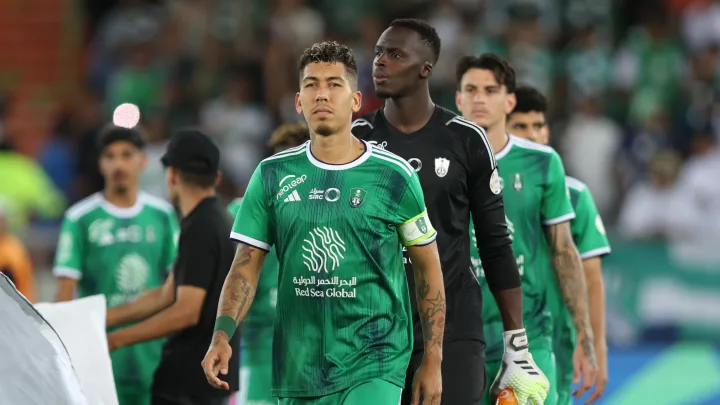
- Roberto Firmino became a pastor at a church he co-founded in Brazil.
- Former professionals Philip Mulryne and Chase Hilgenbrinck left soccer to become Catholic priests.
- Some ministers, like Sonny Dalesandro, pursued ordination outside traditional religious structures.
- Ordination offers opportunities to serve communities and mark important life milestones.
- Ministry can complement leadership skills developed through athletics and coaching.
From Soccer Stardom to Spiritual Service
Professional soccer is often associated with sold-out stadiums, championship trophies, and international fame. But for some players and coaches, life eventually led beyond the pitch and into ministry.
Whether serving as priests, pastors, wedding officiants, or community leaders, these soccer figures discovered a calling that extended beyond the game. Their stories demonstrate that ordination can take many forms and serve many purposes, from leading a congregation to officiating meaningful life events.
Here are seven notable soccer figures who became ordained ministers.
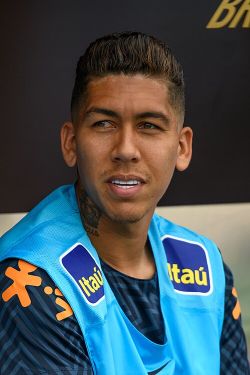
1. Roberto Firmino: Liverpool Legend Turned Pastor
Roberto Firmino built a reputation as one of the most beloved players in Liverpool FC history. During his time with the club, he helped win the Premier League, UEFA Champions League, FA Cup, League Cup, FIFA Club World Cup, and UEFA Super Cup.
In 2024, Firmino and his wife, Larissa, were ordained as pastors at the evangelical church they founded in Maceió, Brazil. Throughout his career, Firmino often spoke about the importance of faith in his life, and his ordination represented a natural extension of that commitment.
While millions know him for scoring goals, Firmino now also serves his community through ministry and spiritual leadership.
2. Father Philip Mulryne: Leaving Professional Soccer for the Priesthood
Philip Mulryne enjoyed a successful professional career that included more than 150 appearances for Norwich City and 27 international caps for Northern Ireland.
After retiring from soccer, Mulryne made a remarkable life change. He entered religious formation with the Dominican Order and was ordained a Roman Catholic priest in 2017.
His journey has attracted worldwide attention because it challenges common assumptions about success. Rather than pursuing greater fame or wealth, Mulryne chose a path centered on service, study, and spiritual growth.
3. Father Chase Hilgenbrinck: The MLS Player Who Followed a Different Calling
Chase Hilgenbrinck was playing professional soccer in Chile after spending time with Major League Soccer's New England Revolution when he made a significant decision about his future.
At just 26 years old, he stepped away from professional soccer to enter seminary formation. He was ordained a Roman Catholic priest in 2014.
Hilgenbrinck's story continues to inspire people both inside and outside the sports world. His decision demonstrates that life's greatest calling is not always the one that brings the most public recognition.
4. Taribo West: World Cup Defender and Church Founder
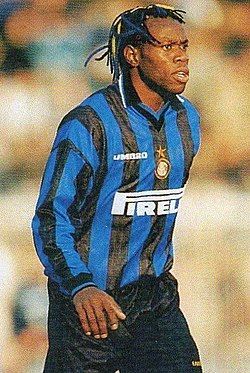
Known for his distinctive hairstyles and fierce defending, Taribo West enjoyed a successful career with clubs including Inter Milan and AC Milan while representing Nigeria on the international stage.
Following his playing career, West became a pastor and founded the Shelter in the Storm Miracle Church of All Nations in Lagos, Nigeria.
His transition from international soccer star to church leader highlights the many ways athletes continue serving their communities long after retirement.
5. Pete Fewing: Coach, Mentor, and Wedding Officiant
Pete Fewing's influence on soccer extends far beyond his time as a player. The longtime Seattle University men's soccer coach has spent decades mentoring student athletes and helping shape future leaders.
In addition to his coaching work, Fewing has served in ministry and has officiated weddings for former players and members of the soccer community.
His story illustrates how ordination can strengthen personal relationships and help people celebrate some of life's most important milestones.
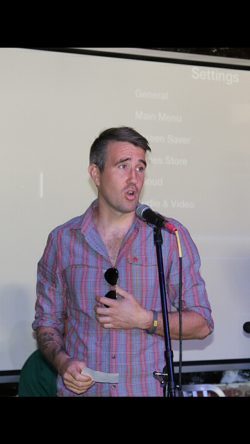
6. Sonny Dalesandro: Ordination Beyond Traditional Religion
Former professional indoor soccer player Sonny Dalesandro took a different path to ordination.
Despite identifying as an atheist, Dalesandro became an ordained minister through the Universal Life Church. His decision reflected a desire to serve others and participate in important life events rather than a commitment to a specific religious tradition.
His story demonstrates that ordination is not limited to one belief system. For many people, it represents a way to support family, friends, and community members during significant moments.
7. Mark Steffens: Coaching and Ministry Side by Side
A respected soccer coach and member of the USL Hall of Fame, Mark Steffens has spent decades developing players and growing the game in the United States.
Alongside his coaching career, Steffens also became an ordained minister, showing that leadership on the field and service off the field can go hand in hand.
Like many coaches, his role has often extended beyond tactics and training, helping athletes navigate life's challenges and opportunities.
A Calling Beyond the Pitch
The soccer figures on this list followed very different paths. Some became Catholic priests. Others founded churches, served as pastors, officiated weddings, or pursued independent forms of ministry. What they share is a desire to serve others beyond the game.
Their stories also highlight an important fact about ordination: it is not reserved for professional clergy. People choose to become ordained for many reasons, from officiating weddings, supporting their communities, and helping loved ones celebrate life's biggest milestones.
Whether you are a world-famous athlete or someone who simply wants to perform a wedding for a friend or family member, ordination can open the door to meaningful service. The Universal Life Church offers free online ordination, making it possible for anyone to become a minister.
What calling might be waiting for you beyond your own career or passions?
Frequently Asked Questions About Soccer Players and Coaches Who Became Ordained Ministers
Which soccer player became a pastor after playing for Liverpool?
Roberto Firmino, the former Liverpool FC star, was ordained as a pastor in 2024 alongside his wife, Larissa, at the evangelical church they founded in Maceió, Brazil.
Which former soccer players became Catholic priests?
Philip Mulryne, a former Norwich City and Northern Ireland player, was ordained as a Roman Catholic priest in 2017. Former MLS player Chase Hilgenbrinck was ordained as a Roman Catholic priest in 2014 after leaving professional soccer.
Did any soccer players start their own churches?
Yes. Former Nigerian international Taribo West became a pastor and founded Shelter in the Storm Miracle Church of All Nations in Lagos, Nigeria.
Can coaches become ordained ministers?
Absolutely. Coaches such as Pete Fewing and Mark Steffens have combined their coaching careers with ministry work, including officiating weddings and serving their communities.
Do you have to belong to a specific religion to become ordained?
Not always. Some forms of ordination are tied to specific religious traditions, while others are open to people from diverse backgrounds. For example, former indoor soccer player Sonny Dalesandro became ordained through the Universal Life Church despite identifying as an atheist.
Why do people become ordained ministers?
People pursue ordination for many reasons, including leading congregations, officiating weddings, supporting their communities, providing spiritual guidance, and helping friends and family celebrate important life events.
Is it possible to become ordained online?
Yes. Organizations such as the Universal Life Church offer free online ordination, allowing people to become ministers and potentially perform weddings and other ceremonies, depending on local laws.