Key Takeaways
- Several major court decisions this week addressed the intersection of religious freedom, anti-discrimination laws, and individual rights.
- The U.S. Supreme Court unanimously upheld West Virginia's law restricting transgender athletes from competing on girls' and women's sports teams.
- A federal appeals court ruled that a jury should decide whether Alaska Airlines unlawfully fired employees for expressing sincere religious beliefs.
- The EEOC's lawsuit against Piggly Wiggly reinforces that employers must consider religious accommodation requests individually, including Sabbath observance.
- A Texas judge was awarded $640,000 after claiming she faced retaliation for refusing to officiate same-sex weddings based on her religious beliefs.
- Together, these cases highlight how courts continue to define the balance between religious liberty and other protected rights in the United States.
Recent Court Decisions Shaping Religious Freedom
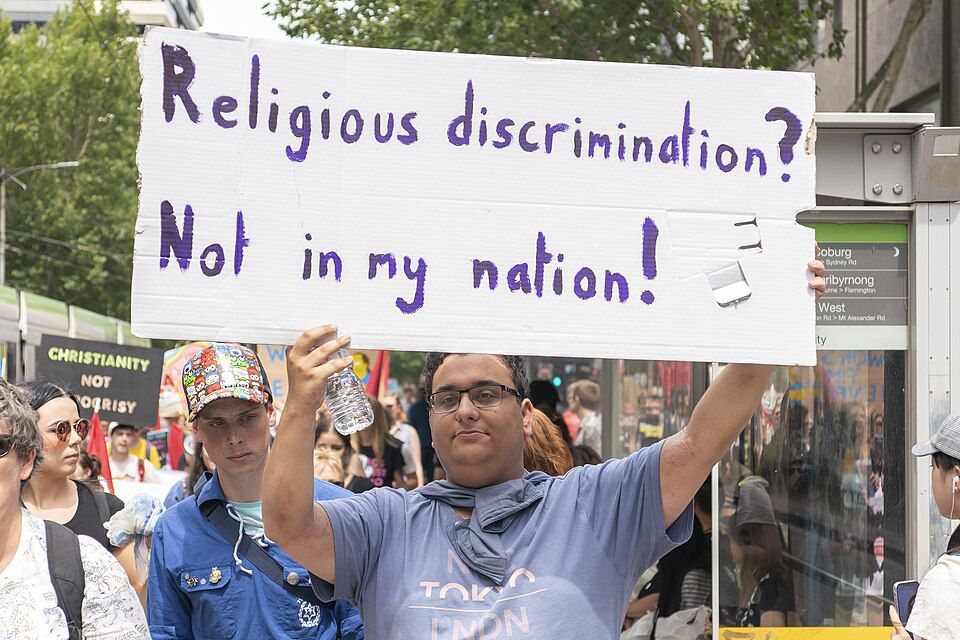
Over the past week, various courts have issued major decisions regarding religious discrimination cases across the country. These cases involve trans athletes, gay marriages, the Sabbath, and mandatory pride messaging at work. Each case shares a different lesson about the state of religious freedom in the United States, a subject that continues to evolve over time.
Supreme Court Upholds West Virginia’s “Save Women’s Sports Act”

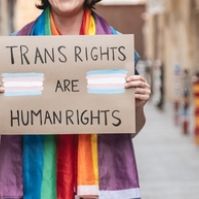
The Supreme Court has been incredibly busy over the past few weeks, and one of the many notable decisions it has issued involves trans athletes. In 2021, West Virginia passed a law called the Save Women’s Sports Act, which prevented biological males (identifying as trans girls/women) from competing on female sports teams.
After this law, transgender students challenged it and won in lower courts. The state appealed, and the case went to the Supreme Court. Eventually, it issued a 9-0 decision upholding the law, stressing that Title IX does not prevent this type of discrimination. In explaining this decision, justices noted that the word “sex” in Title IX cannot mean anything other than biological sex.
Federal Appeals Court Revives Wrongful Termination Lawsuit Based on Religious Objections
In June of 2026, a federal appeals court allowed a wrongful death lawsuit filed by two former Alaska Airlines employees to move forward. After the Equality Act passed in 2021, Alaska Airlines conducted an internal poll to determine what its employees thought about the law. Responding in an online forum, the two plaintiffs expressed sincere religious objections.
They were subsequently fired for making discriminatory and hateful comments. Now, the federal appeals court believes that there is sufficient evidence of wrongful termination and that a jury should decide whether the flight attendants were fired specifically because of their religious beliefs.
Piggly Wiggly Faces Religious Discrimination Lawsuit
Also in June of 2026, it was reported that Piggly Wiggly was facing a religious discrimination lawsuit from one of its employees. Like so many other cases, this lawsuit involves the Sabbath. The employee requested Sundays off to observe the Sabbath. The employer subsequently denied this request and fired the employee when they “insisted on taking Sundays off” anyway.
The EEOC noted the employer’s flawed logic when making its decision. According to the lawsuit, the employer told the worker that if they gave them Sundays off, they’d have to give everyone Sundays off as well. The EEOC reminds employers that this is not how religious discrimination laws work. Each employee must be approached on a case-by-case basis.
Judge Wins $640,000 After Refusing to Wed Same-Sex Couples
In other news, a judge in Texas recently won a judgment of $640,000 after she refused to wed same-sex couples. The judge claimed that she was forced to stop officiating weddings due to threats and investigations made by the State Commission on Judicial Conduct, resulting in losses of $60,000 per year. Observers noted that this victory serves as an example to other judges, who may also refuse to officiate same-sex marriages on similar grounds.
Religious Freedom Cases Are Far From Settled
These four cases demonstrate that questions about religious freedom continue to reach every level of the American legal system. From workplace accommodations and public employment to athletics and marriage, courts are regularly asked to balance constitutional protections for religious belief with other legal rights and anti-discrimination laws.
While the outcomes differ, each decision adds another piece to the evolving legal landscape. As similar disputes continue to move through state and federal courts, these rulings will likely influence future cases and shape how religious liberty is interpreted across the United States for years to come.
If you care about religious freedom, constitutional rights, and the role of faith in public life, getting ordained online is one way to stay connected to these conversations. Ordination is free, takes just a few minutes, and gives you access to our articles, resources, and a community of millions of ministers exploring the evolving relationship between religion, law, and society.
Frequently Asked Questions About Recent Religious Discrimination Court Cases
What is considered religious discrimination under U.S. law?
Religious discrimination occurs when an employer, government agency, or other covered entity treats someone unfairly because of their sincerely held religious beliefs or practices. Federal law also requires employers to provide reasonable religious accommodations unless doing so would create an undue hardship.
Why did the Supreme Court uphold West Virginia's sports law?
The Supreme Court ruled that Title IX allows states to distinguish athletic participation based on biological sex, upholding West Virginia's Save Women's Sports Act.
Why is the Alaska Airlines case significant?
The appeals court did not decide whether the airline acted unlawfully. Instead, it found enough evidence for a jury to determine whether the employees were fired because of their sincerely held religious beliefs rather than the manner in which they expressed them.
What does the Piggly Wiggly lawsuit mean for employers?
The lawsuit emphasizes that employers must evaluate requests for religious accommodations individually. They cannot reject a request simply because they believe granting one employee's accommodation would require granting the same accommodation to everyone else.
Why was the Texas judge awarded damages?
The judge argued that investigations and pressure related to her refusal to officiate same-sex weddings because of her religious beliefs effectively prevented her from performing weddings, causing financial losses. A court awarded her damages based on those claims.
What do these cases say about religious freedom in the United States?
They illustrate that religious freedom remains an evolving area of law. Courts continue to weigh constitutional protections for religious belief against anti-discrimination laws and other competing legal interests, with outcomes depending heavily on the facts of each case.