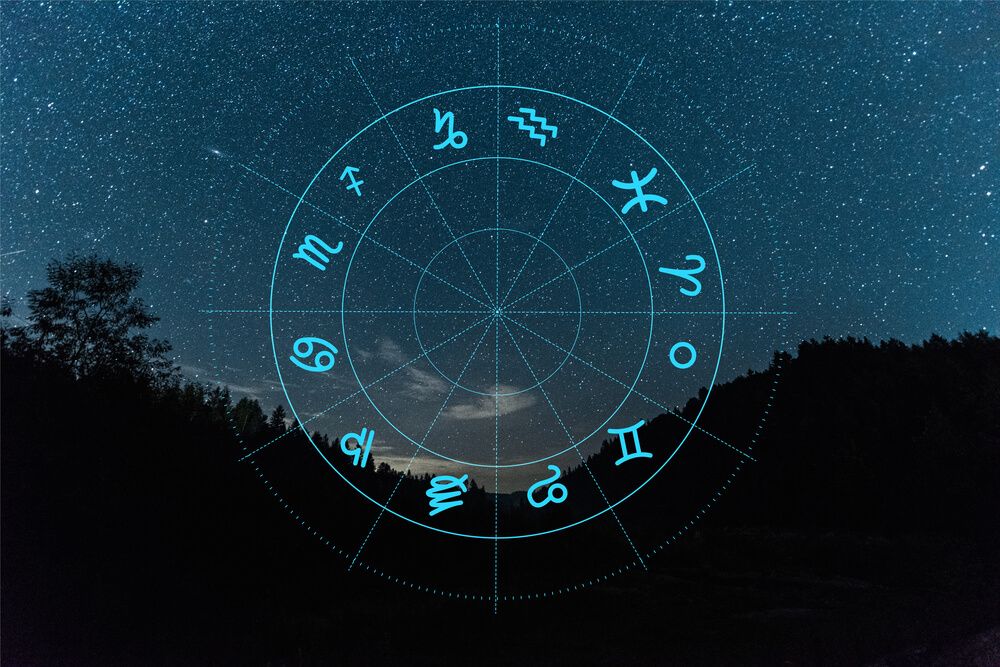
Astronomy and astrology both begin by looking up, but today they are very different fields. Astronomy is the scientific study of space and the universe, while astrology interprets the positions of celestial bodies as meaningful to human life. Although they share ancient roots and terminology, their purposes and methods are distinct.
Key Takeaways
- Astronomy is a science that studies space, celestial objects, and the universe through observation and evidence.
- Astrology is a belief system that interprets the positions of the Sun, Moon, and planets as meaningful to human lives.
- Astronomy and astrology share ancient roots and terminology, but astronomy relies on scientific testing while astrology focuses on symbolic interpretation.
- People may engage with astrology for cultural, spiritual, or personal reflection even though its claims are not scientifically established.
What Is the Difference Between Astronomy and Astrology?
The main difference is that astronomy is a science, while astrology is a belief and interpretive system.
Astronomers study celestial objects and the universe using observation, measurement, and scientific testing. Astrology uses the positions of the Sun, Moon, planets, and zodiac signs to interpret personality, relationships, or events.
For example, an astronomer might study what Mars is made of or how it formed. An astrologer might examine where Mars appeared in the zodiac at a particular moment and interpret what that placement traditionally represents.
What Does Astronomy Study?
If you have ever wondered how old a star is, what a planet is made of, or what lies beyond our galaxy, you are asking the kinds of questions astronomers investigate. Astronomy focuses on the physical universe and how it works.
The answers have to hold up against evidence. Astronomers use telescopes and other instruments to gather information. If new observations challenge an idea, scientists have to reconsider it.
 What Does Astrology Study?
Astrology shifts the focus from what is happening in space to what the positions of the planets and stars might mean for people. A birth chart captures the sky at a specific time and place. Astrologers interpret that snapshot using the zodiac and other astrological traditions.
If you want to dig deeper into birth charts and the zodiac, The Only Astrology Book You'll Ever Need covers those concepts in much more detail.
Are Astronomy and Astrology Both Sciences?
No. Astronomy is a science built around observation, evidence, and testing. NASA defines it as the scientific study of matter in outer space and the phenomena that occur there.
Astrology does not use the same scientific method, and research has not established its claims about personality or future events as scientific fact. People may still value astrology for spiritual, cultural, or personal reasons, or simply use it as a tool for reflection.
Why Are Astronomy and Astrology Often Confused?
Astronomy and astrology share ancient roots. For centuries, people observed the sky both to understand the natural world and to search for signs or meaning in celestial events.
Over time, the two traditions separated. Astronomy developed into a modern science, while astrology continued primarily as a system of symbolic interpretation.
That shared history is one reason the two still use some of the same terminology. Astronomers recognize constellations as defined regions of the sky, while Western astrology commonly organizes the zodiac into 12 signs used for interpretation. Many names appear in both systems, but they serve very different purposes.
Why Does Astrology Remain Meaningful to Some People?
Not everyone who checks a horoscope thinks about astrology in the same way. For some, it is simply fun. Others use a birth chart to reflect on themselves or their relationships. Astrology's long history also gives it a place in many cultural traditions.
You can explore that symbolism without treating it as science. Looking more closely at how astrology connects the planets with different personality traits is one way to understand why the tradition continues to interest people.
Explore Your Own Spiritual Path
Looking at the night sky can inspire scientific curiosity, spiritual reflection, or both. However you make sense of the universe, the Universal Life Church supports the freedom to explore your beliefs and follow the path that feels meaningful to you.
If that path includes helping someone you love celebrate a major life moment, you can become an ordained minister online for free and officiate a wedding for a friend or family member.

Frequently Asked Questions About Astronomy vs. Astrology
Do the Sun, Moon, and planets matter in both astronomy and astrology?
Yes, but they care about different things. Astronomy studies the physical properties and movements of these objects. Astrology focuses on what their positions may symbolize.
Can you enjoy astrology while learning astronomy?
Absolutely. You can enjoy astrology for its symbolism or spiritual meaning and still learn what astronomy tells us about the universe. Just remember that they answer different questions and rely on different kinds of evidence.
Can Astrology Predict the Future?
Astrology has traditionally been used to interpret celestial movements and, in some cases, make predictions about events. However, scientific research has not established that astrological predictions can reliably forecast what will happen. People may still use astrology for reflection or spiritual guidance without treating those predictions as scientific fact.